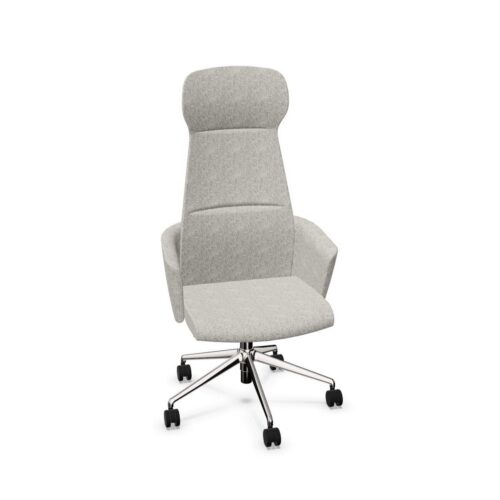
Beige office upholstery can bring a related tone to task chairs, meeting seating and sofas without making those seats serve the same purpose. This color applies to the upholstered surface, while frames, bases and tabletops may use other finishes. Look at the exact chair or sofa configuration before choosing a fabric or leather option. A beige backrest, seat pad and fully upholstered lounge chair will each have a different visual presence in a room.
Start with the working chair
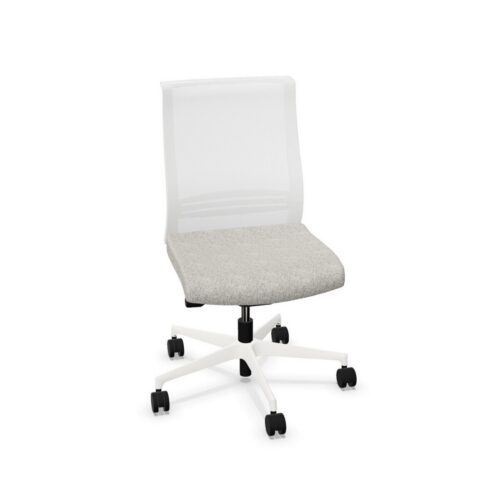
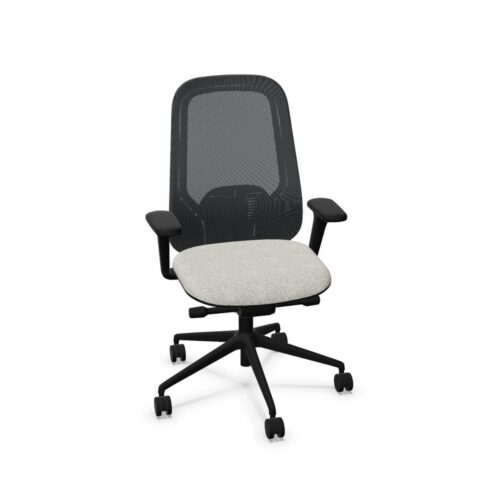
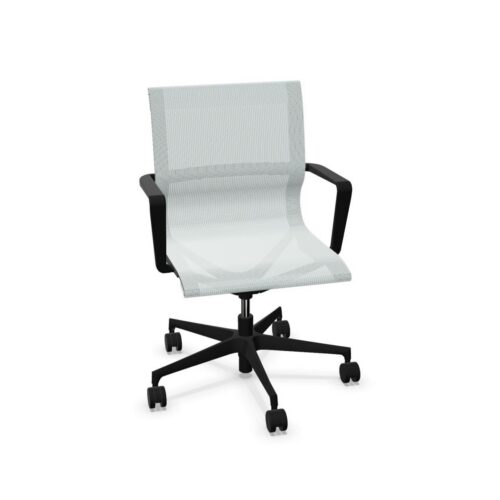
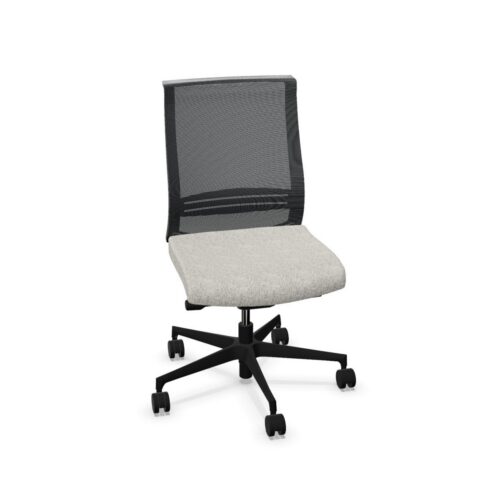
A task chair belongs with the desk, screen and keyboard. Beige office upholstery may cover the seat, back or both, depending on the selected model. Review the chair’s adjustment and posture independently of color. Check whether armrests allow the user to approach the worktop and whether the base moves appropriately on the floor.
Mesh and fabric can both appear in office seating, but they feel and care differently. Confirm the exact upholstered component and textile before choosing a chair for shared use. A light covering near the desk may show handling, so review cleaning guidance for the selected material. It should remain practical for the intended work pattern.
Give meeting seats the right posture
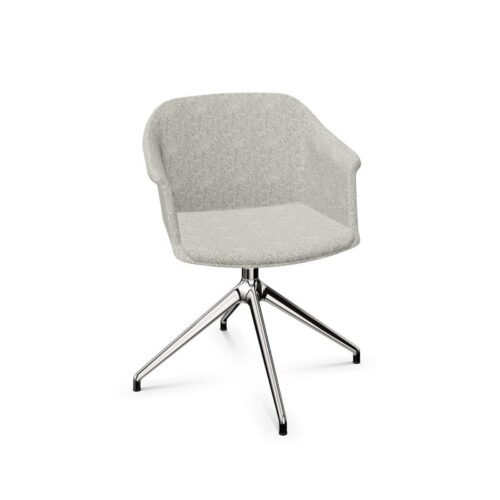
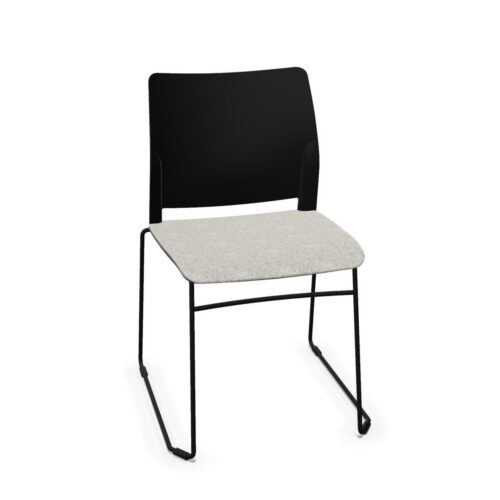
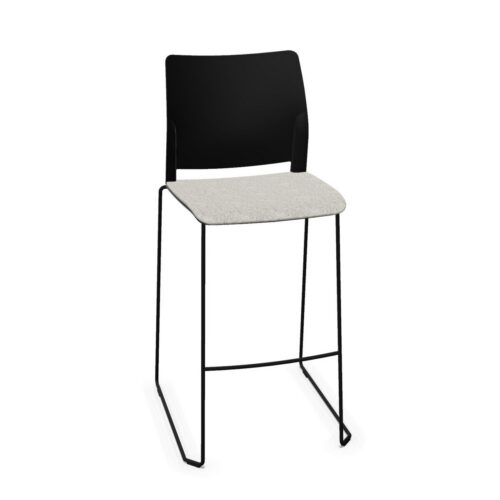
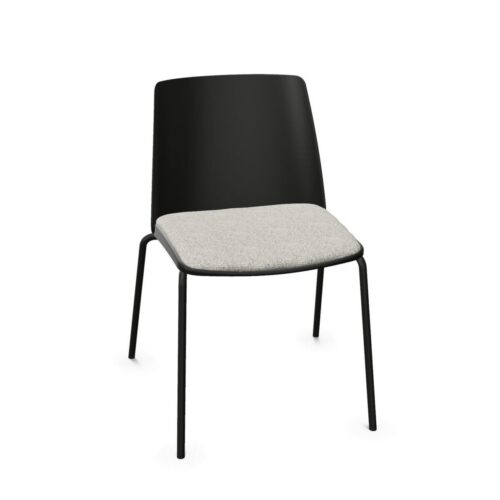
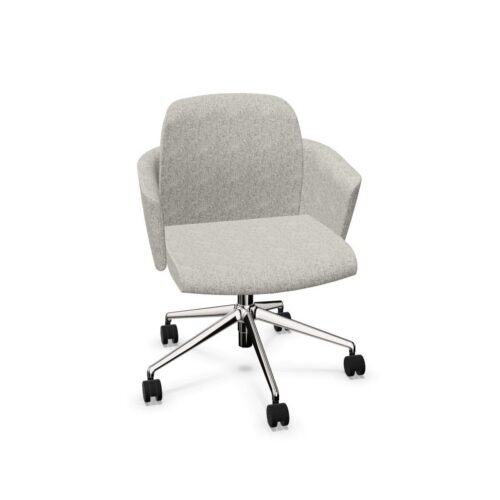
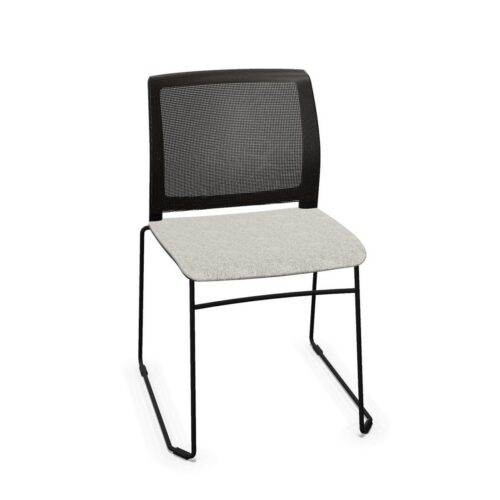
Conference chairs are usually used at a table where participants may write or use devices. A beige upholstered meeting chair should fit the selected table height and leave clearance for arms, if present. Draw occupied chairs around the table. The upholstery can connect the group visually, but chair movement and access determine whether the room works.
Beige office upholstery on a meeting chair may be fabric, leather or another specified covering. Do not assume all beige seats have the same texture. Compare swatches in the room’s light and check the chosen product’s wear and care guidance. A chair used repeatedly by visitors has different demands from one in a private office.
Plan lounge seating as a group
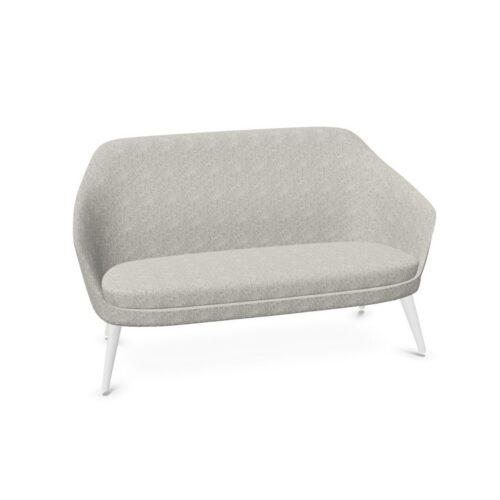
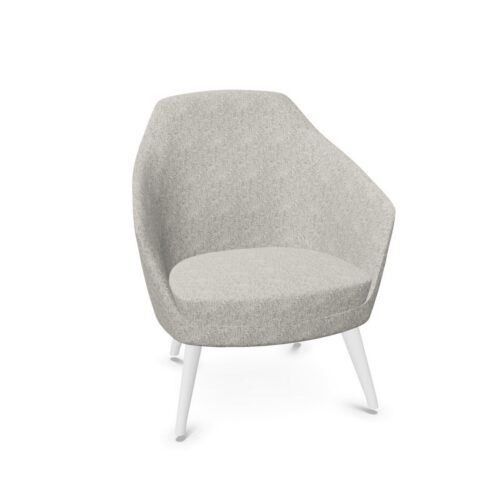
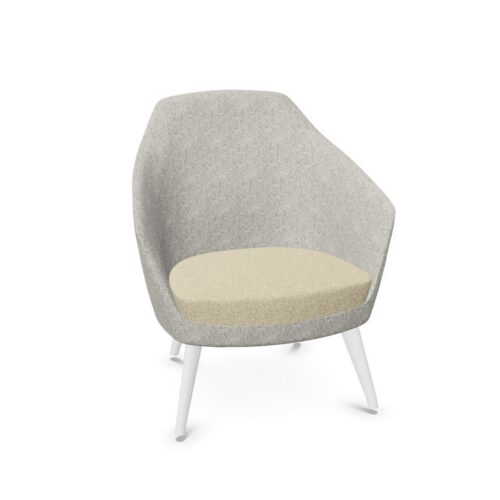
A sofa or upholstered armchair creates a different posture from a task chair. Place lounge pieces so people can face one another and reach a low surface if needed. Beige office upholstery can make a large sofa appear quieter in the room, but the seating group still needs enough space for entry and circulation. Consider the view from the seat as well as from the entrance.
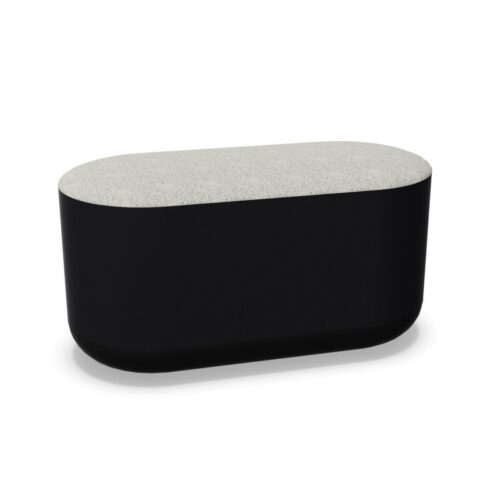
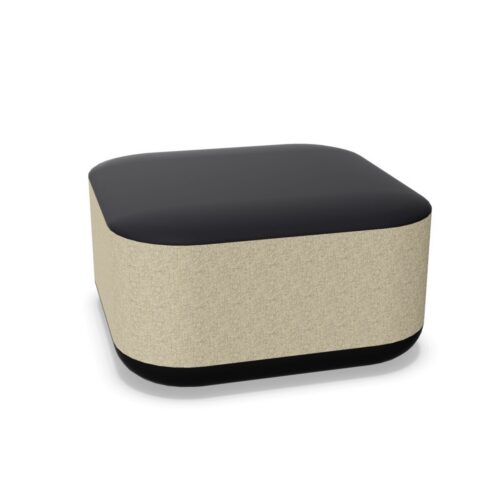
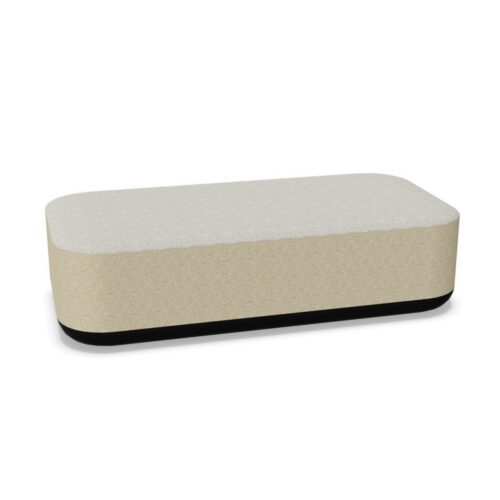
Modular sofas and poufs add flexibility. Check where upholstered modules connect and which sides will be exposed. A pouf may move during the day, so give it an intended place that does not block a route. The same beige covering can look different on a large sofa and a small movable piece because of scale and light.
Compare coverage and neighboring materials
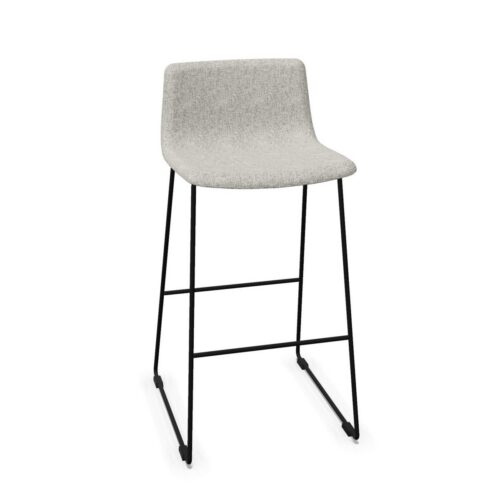
Some chairs use upholstery only on the seat; others have upholstered backs and arms. Beige office upholstery should be assessed at the full product scale. A small swatch cannot show how much beige appears when a row of chairs is occupied. Compare the covering with the frame, floor and nearby desk or table surfaces.
A warm beige textile may sit beside cool metal legs or a wood-look frame. That contrast can help distinguish the components. Do not choose a frame material from the upholstery color. Check the actual selected configuration and decide whether adjacent materials should blend or stand apart.
Test light and upkeep
Beige can shift from warm to cool under different lighting. View a fabric or leather sample in the intended room at several times of day. For frequently used chairs, consider how the surface will be cleaned and whether covers or pads can be maintained according to product guidance. Light upholstery may reveal marks differently from darker choices.
Beige office upholstery works best when the seat first fits its activity. Choose an adjustable chair for desk work, appropriate meeting seating for a table and softer pieces for conversation. Then compare the actual upholstery materials and tones across those settings. This creates visual continuity without sacrificing the function of each seat.











Bralco