Where the eUP magnetic board family fits
These boards are useful in settings where a wall or panel needs a flexible surface for short-term information. In an office, a magnetic board can hold notes, reminders or planning materials close to a workstation. In a shared area, it can provide a visible place for updates without taking up desk space. The eUP compatibility also makes the family relevant when you are already specifying or using eUP panels and walls.
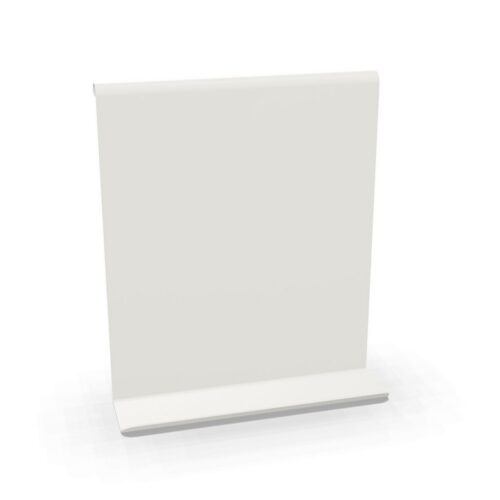
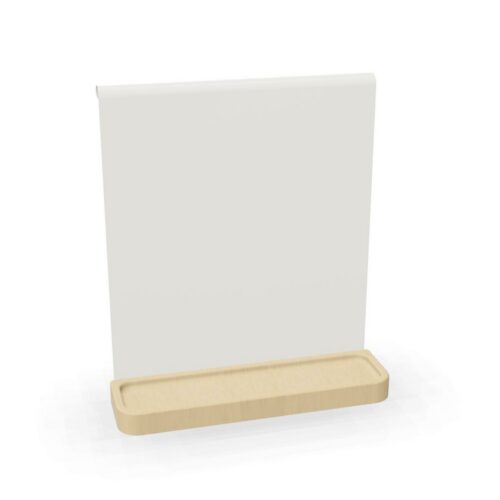
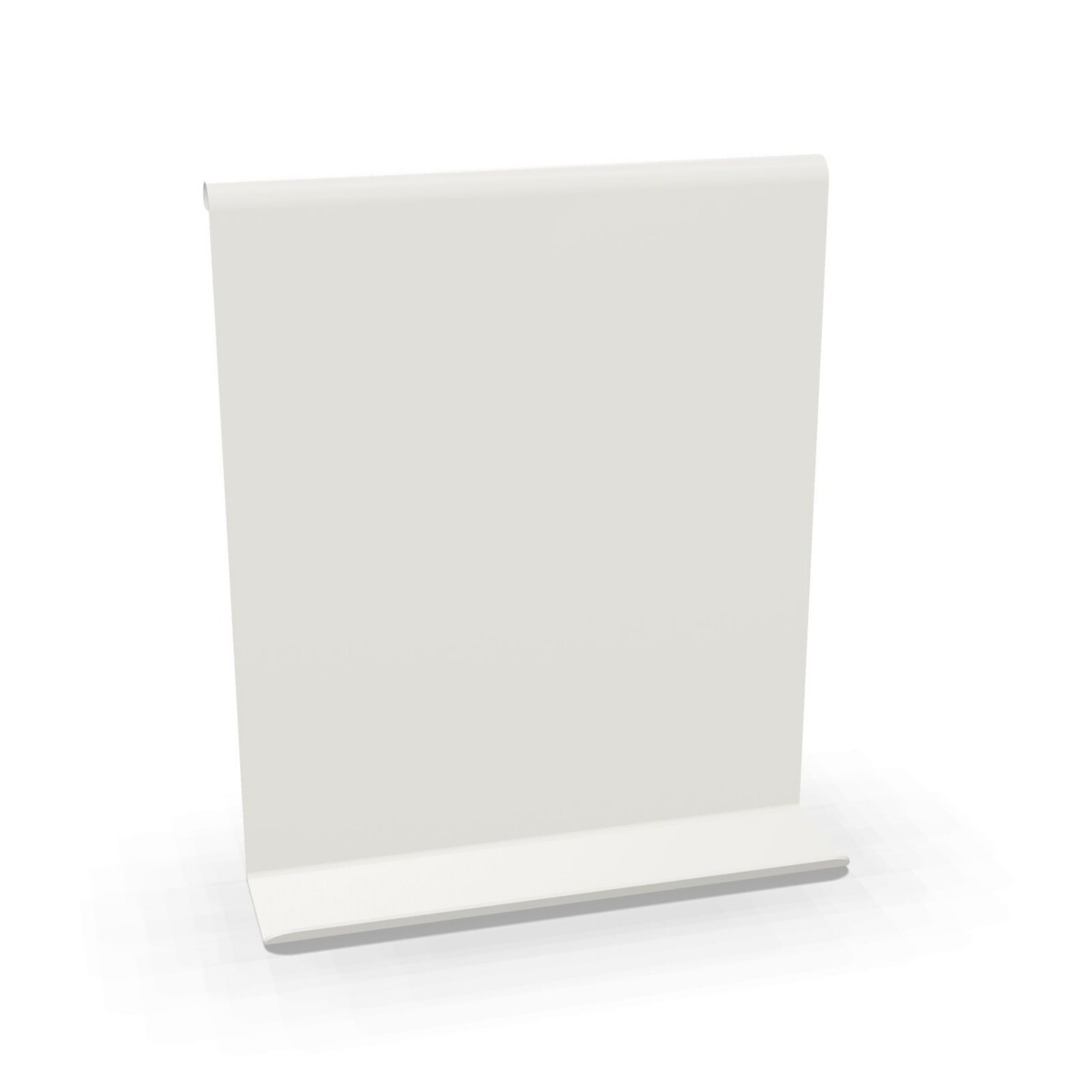
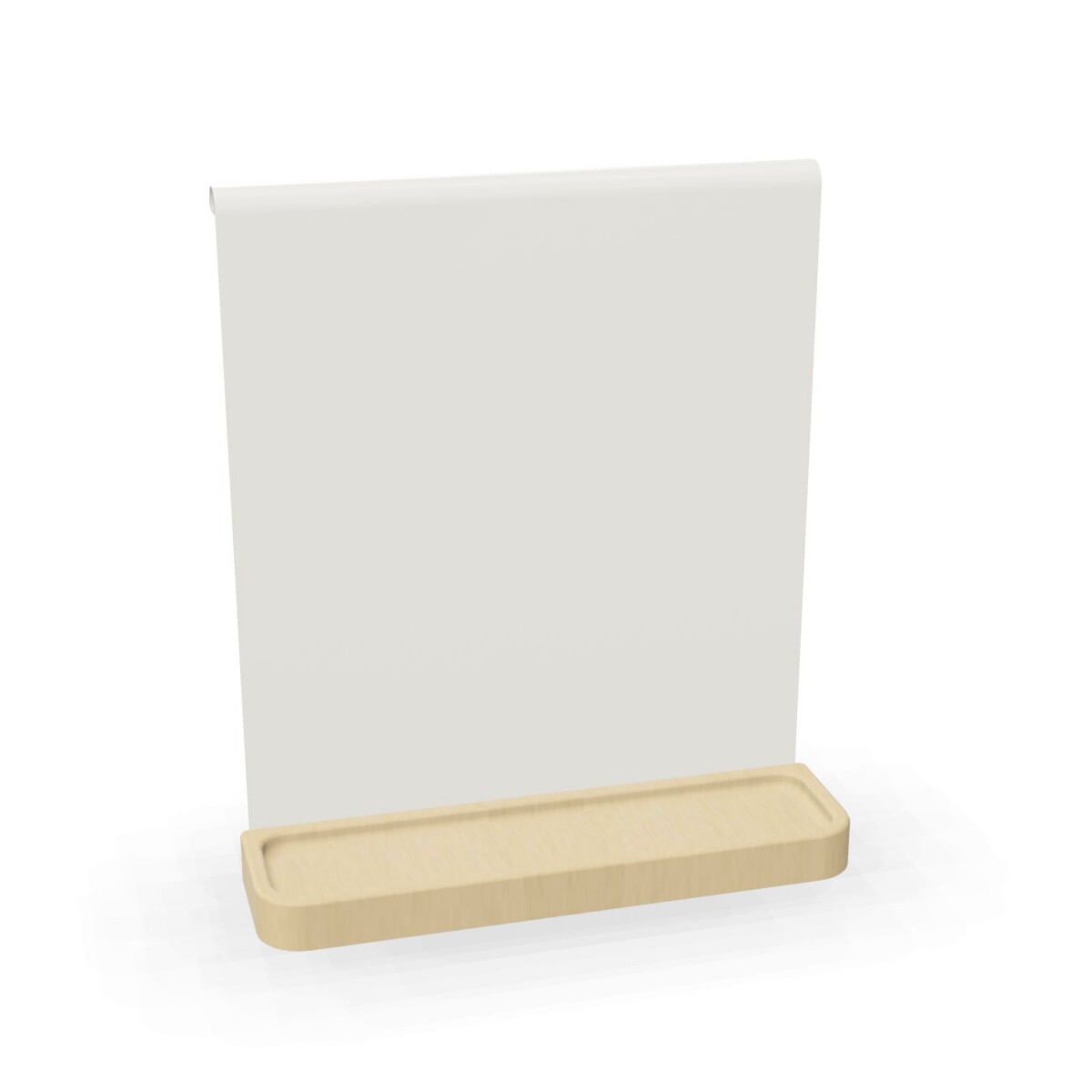
The choice is particularly practical when small work tools should remain near the board. The models with a metal or wooden pencil box and pencil tray add a defined place for writing accessories, while the simpler wall-mounted model keeps the focus on the magnetic surface itself.
How to choose between the three models
Choose integrated pencil storage
Select the model with the metal pencil box and pencil tray if a compact accessory for writing tools is important and you prefer a silver or white finish. The wooden pencil-box version is another option when wood is part of the visual direction. Both are wall-mounted formats with a stated pencil-tray feature, so compare their finish and dimensions before choosing.
Choose the circular wall-mounted board
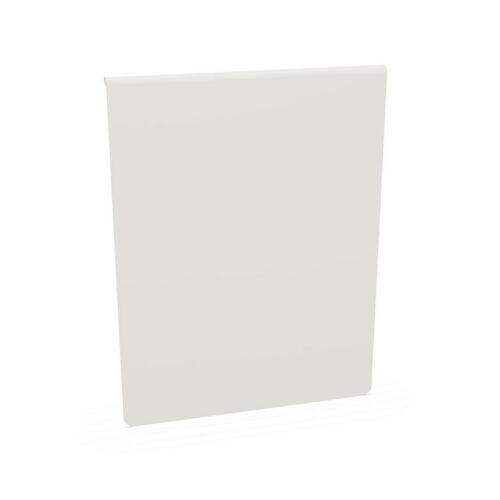
The wall-mounted magnetic board is the straightforward choice when you want a circular metal board in silver or white without selecting a pencil-box configuration. Its simpler format may suit a display point where the magnetic area is the main requirement.
Check finishes, size and placement
Confirm the finish against the surrounding eUP panel, wall or office scheme. The available colour information includes silver, white and wood, but not every finish applies to every model. Also check the model-specific measurements carefully: the collection data includes widths of 17, 25, 170 and 250 cm, depths of 5 and 45 cm, and heights of 20, 33 and 200 cm across the family. These values should not be treated as interchangeable; use the dimensions shown for the exact product you are considering.
Before ordering, confirm the wall or panel location, available mounting area and the role the board needs to serve. Check whether you need pencil storage, whether a circular design works for the space, and whether the selected finish matches the rest of the installation. Origin is listed as on request, so review the current product information for any ordering details.
Plan the collection for your workspace
Myntwork offers the Nowy Styl eUP magnetic board family on a monthly lease, making it possible to consider these accessories as part of a wider workspace setup. Compare the three models first, then verify the exact dimensions, finish and mounting context before finalising your selection.
Frequently asked questions about Nowy Styl Magnetic Board eUP
What is included in the Nowy Styl eUP Magnetic Board collection?
The collection contains three Nowy Styl eUP magnetic board models. They include wall-mounted metal board formats, with two options adding a pencil box or pencil tray and one simpler circular wall-mounted board.
Which eUP magnetic board should I choose if I need pencil storage?
Choose one of the two models described with a pencil box and pencil tray. The metal pencil-box version suits a silver or white finish, while the wooden pencil-box version adds a wood detail. Compare the individual product dimensions before ordering.
Is there a simpler magnetic board without a pencil box?
Yes. The Nowy Styl eUP Wall-Mounted Magnetic Board is described as a circular metal board in silver and white. It is the collection option to consider when the magnetic surface is the priority.
What colours are available across the family?
The collection attributes list silver, white and wood. Silver and white appear on the wall-mounted options, while wood is associated with the wooden pencil-box model. Check the exact finish listed for the selected product.
How should I check the size before choosing a model?
Use the dimensions shown on the individual product page rather than applying the collection ranges to every board. The family data includes several widths, depths and heights, reflecting differences between the models and their formats.