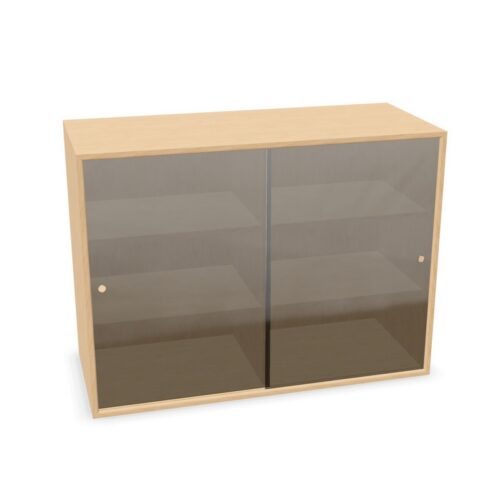
Sliding-door office cabinets provide storage accessed through a front that moves across the cabinet opening. That operation can be an important part of the furniture layout, especially when storage sits near desks or a shared working area. Begin by defining the contents and their users, then assess the actual door arrangement and the interior behind it. A useful cabinet plan connects the way the front opens with the way people retrieve material.
Review how the selected doors operate
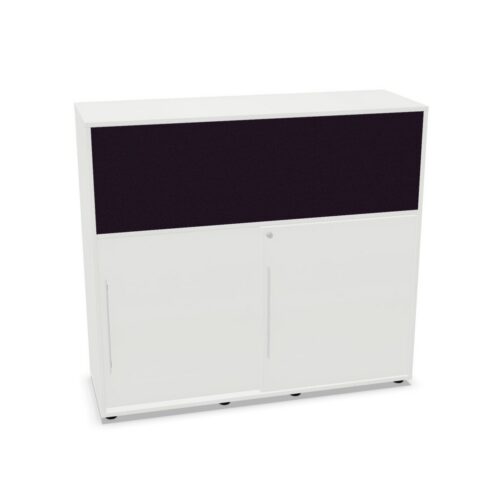
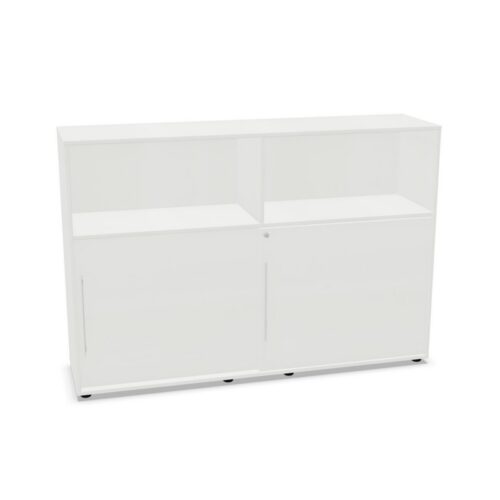
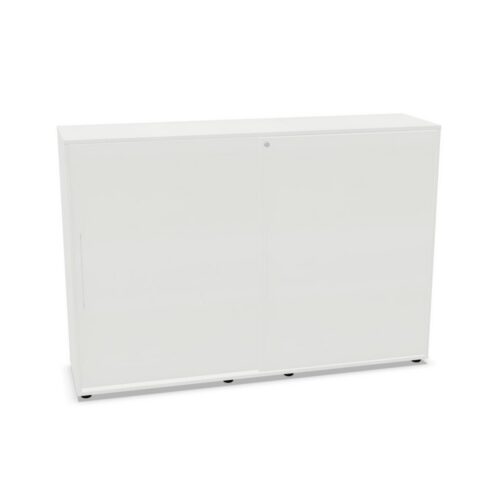
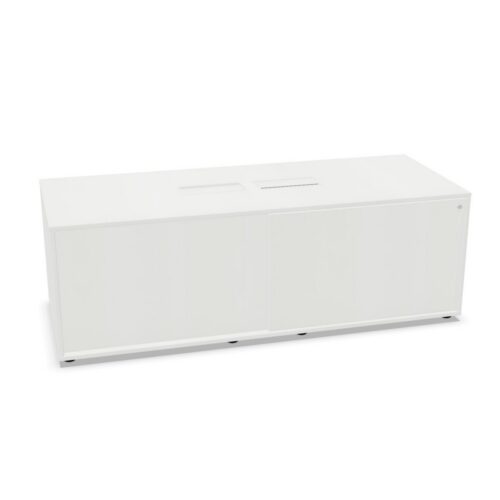
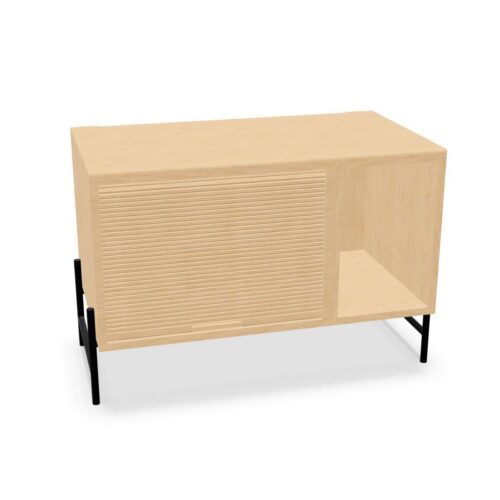
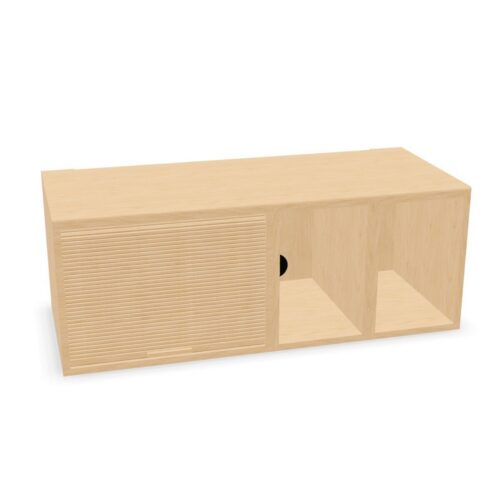
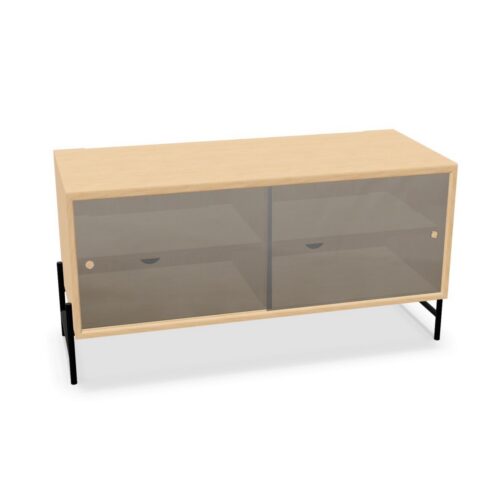
Look at the actual product to understand its sliding arrangement. Consider where each panel moves, how the opening is accessed and which parts of the interior are available at different positions. The selected configuration should provide a practical relationship with the items that need to be stored.
Sliding-door office cabinets should be assessed through their normal use. Think about how a person approaches the front, opens it and returns material afterward. Include the surrounding floor area and any furniture nearby so that the comparison accounts for the occupied storage position.
Place storage near the people who use it
A cabinet serving one workstation can be positioned around the user’s routine. Shared storage needs a wider view of the team and its access routes. Decide who needs the contents and whether the location remains practical when the nearby desks and chairs are occupied.
The chosen door format is one part of that arrangement. Review the person standing at the cabinet and the route that others use around them. A front that slides still belongs within a working area, with the access activity included rather than judged only from the cabinet’s closed footprint.
Organize the interior around its contents
When comparing sliding-door office cabinets, check the shelves, drawers and other internal fittings supplied with the version under consideration. Match that arrangement with files, shared supplies or other material the cabinet needs to hold. Keep the configuration clear where several related units look similar from the outside.
Consider how items are grouped and how often they are retrieved. Frequently used material and less active reference storage may need different positions inside. A defined organization makes shared storage easier to understand and helps people return items without obscuring the structure of the system.
Compare the front and body materials
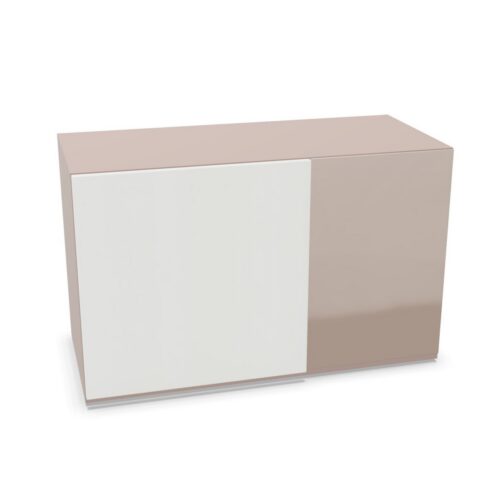
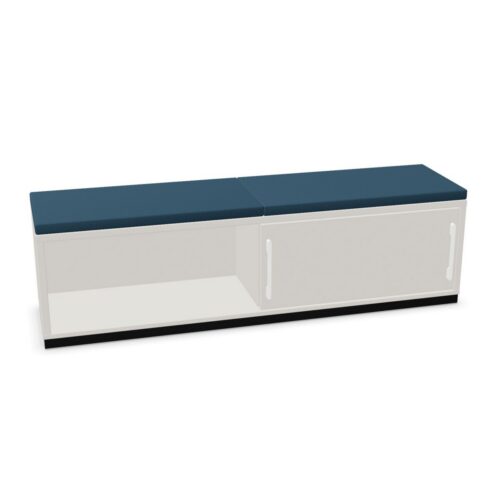
The cabinet’s doors and body can have different material specifications. Review the actual construction and visible finishes, including any framed or upholstered door arrangement. Keep those details tied to the selected product rather than extending one model’s features across the whole storage format.
Sliding-door office cabinets with an acoustic designation require a separate review of the relevant product information where performance matters to the project. Assess that feature for the exact configuration. The general sliding-door description identifies an opening format rather than establishing a common acoustic characteristic.
Fit the cabinet into the wider storage scheme
Consider how the unit relates to neighboring cabinets, desks and shared surfaces. A repeated front or finish can connect several storage positions, while each interior serves a different task. Review the complete arrangement so that the room’s visual continuity supports an understandable storage plan.
If the selected cabinet belongs to a larger system, identify the supporting components and installation requirements relevant to its position. Keep those parts clear in the furniture schedule. A useful specification explains the finished arrangement rather than relying on individual images to show how the elements belong together.
Confirm the functions needed for everyday use
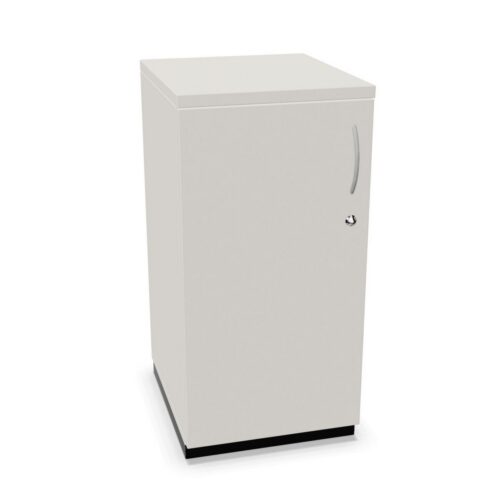
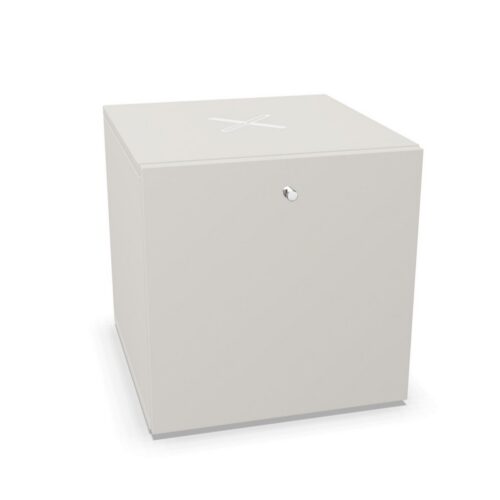
Review any locking feature, relevant material-care information and guidance for operating the doors. Check the actual product where a particular function is required, and keep that information available to those responsible for the cabinet. Shared furniture benefits from an understandable intended use and configuration.
Choose sliding-door office cabinets by combining door operation, internal organization and room access. Assess the selected unit with its users and surroundings in mind, then refine the visible finish. This gives the sliding-front arrangement a clear role within a considered workplace storage scheme.