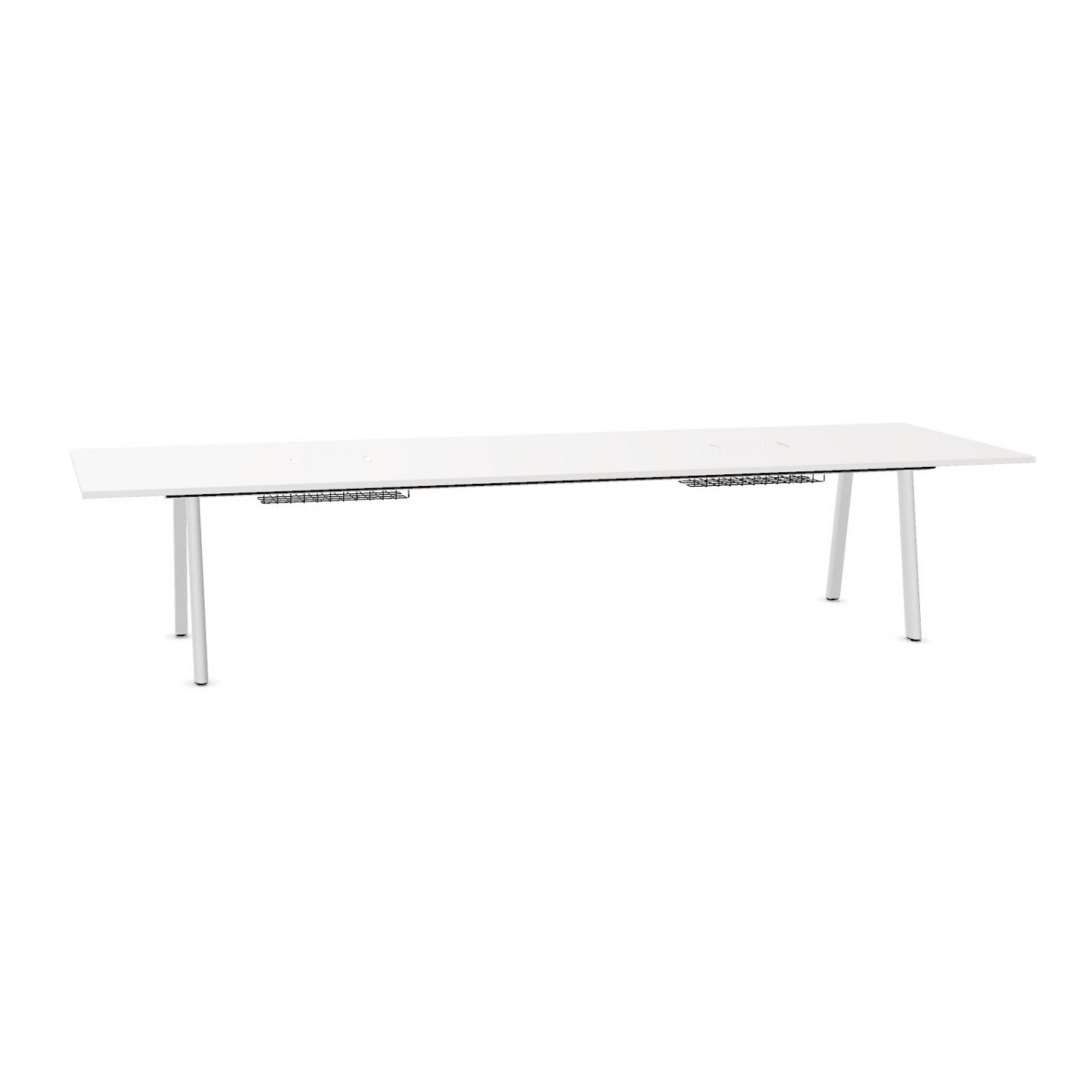
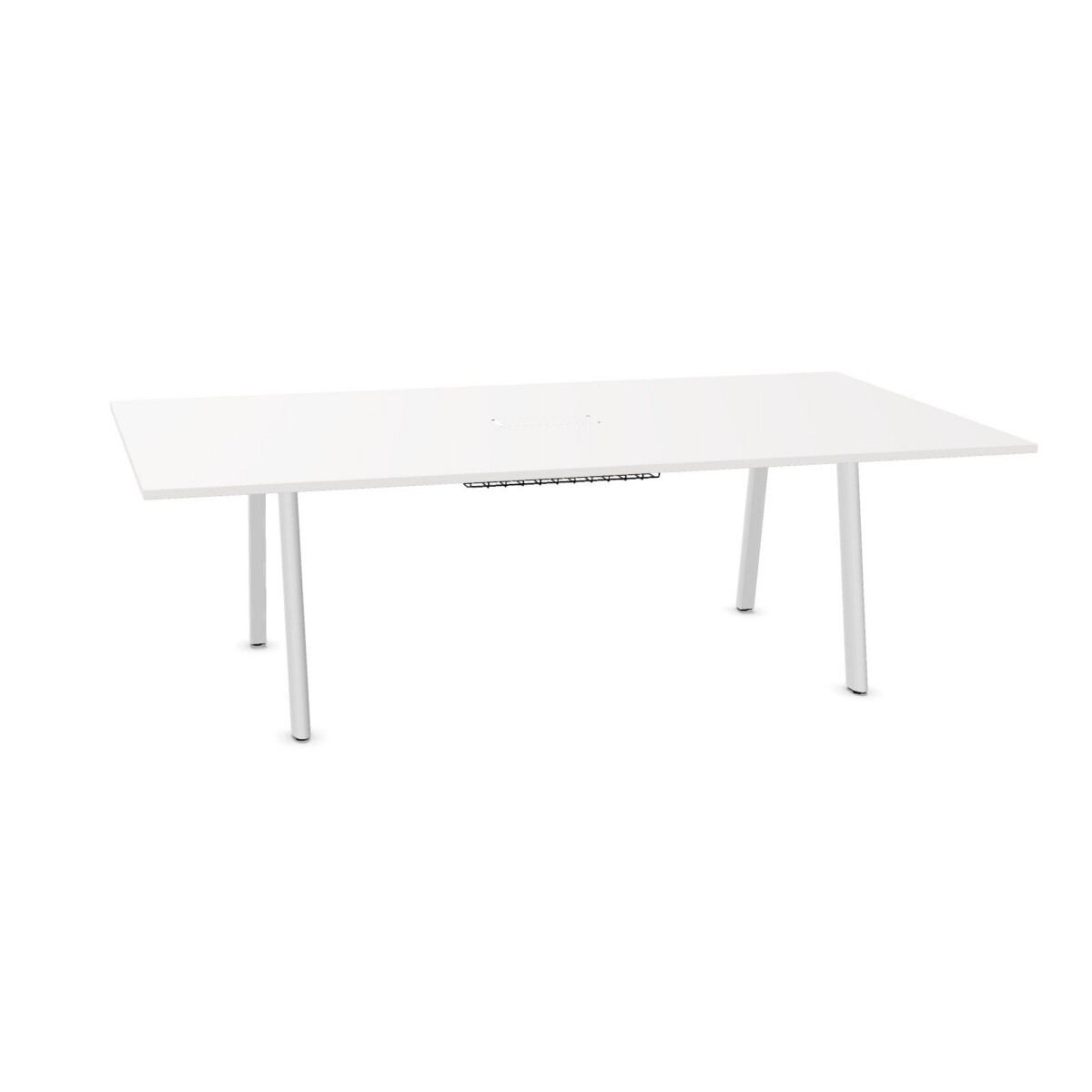
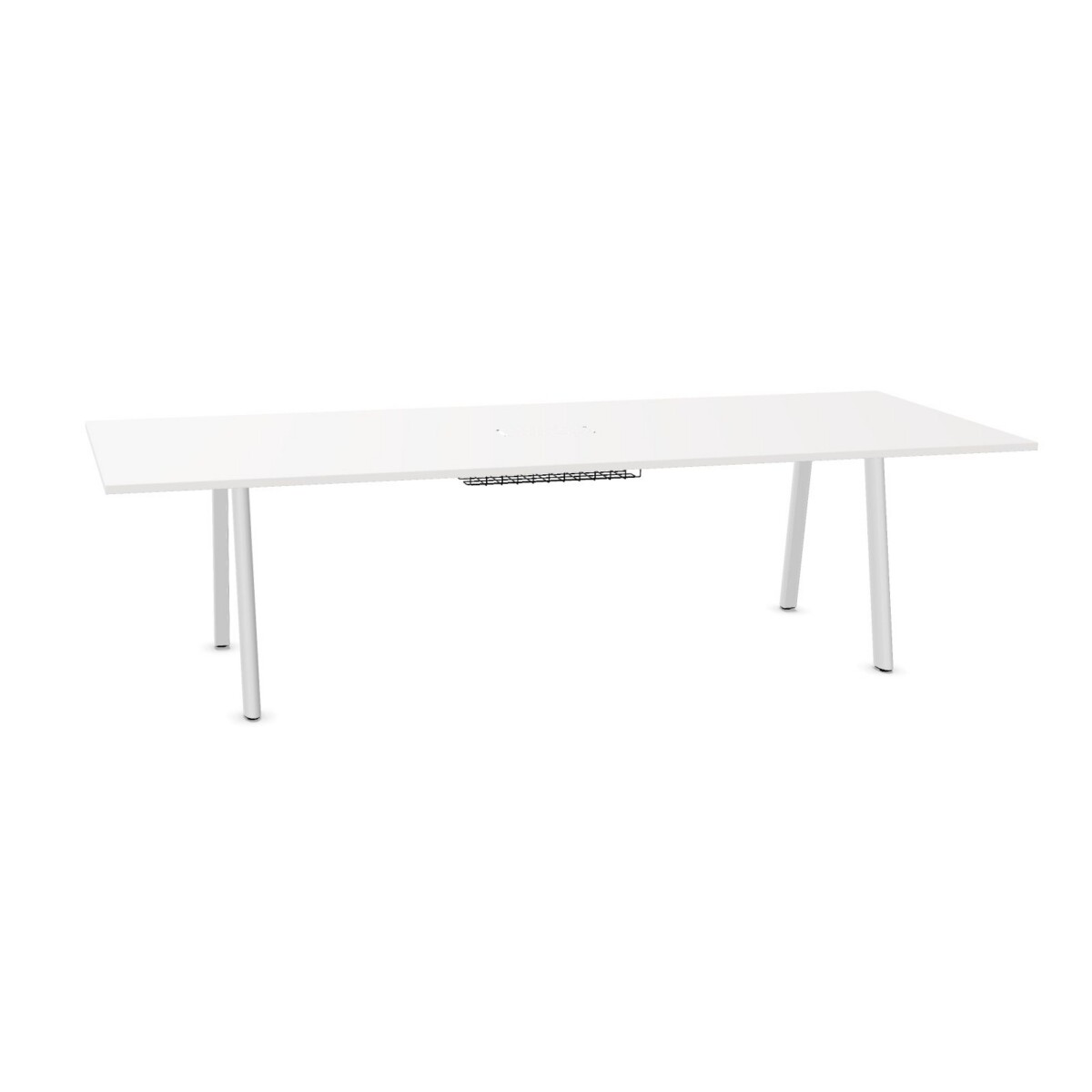
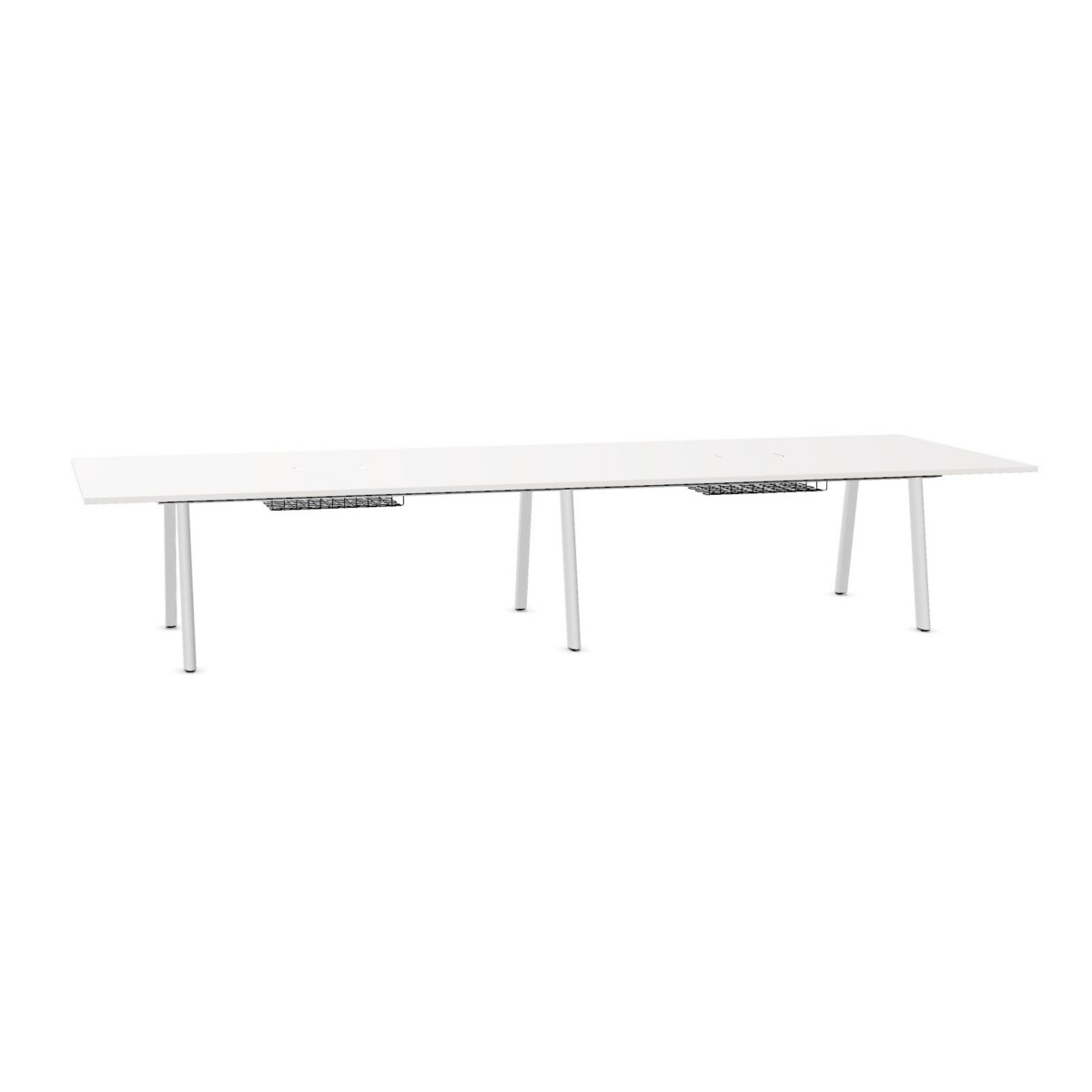
How to choose an ICF Meeting table
Start with the room and the way people will use it. A standard-height table is the familiar choice for seated meetings, scheduled discussions, and rooms that also support laptops or documents. A high meeting table suits spaces intended for a more informal, active, or elevated meeting format. The collection includes high oval tables as well as standard-height oval and rectangular options.
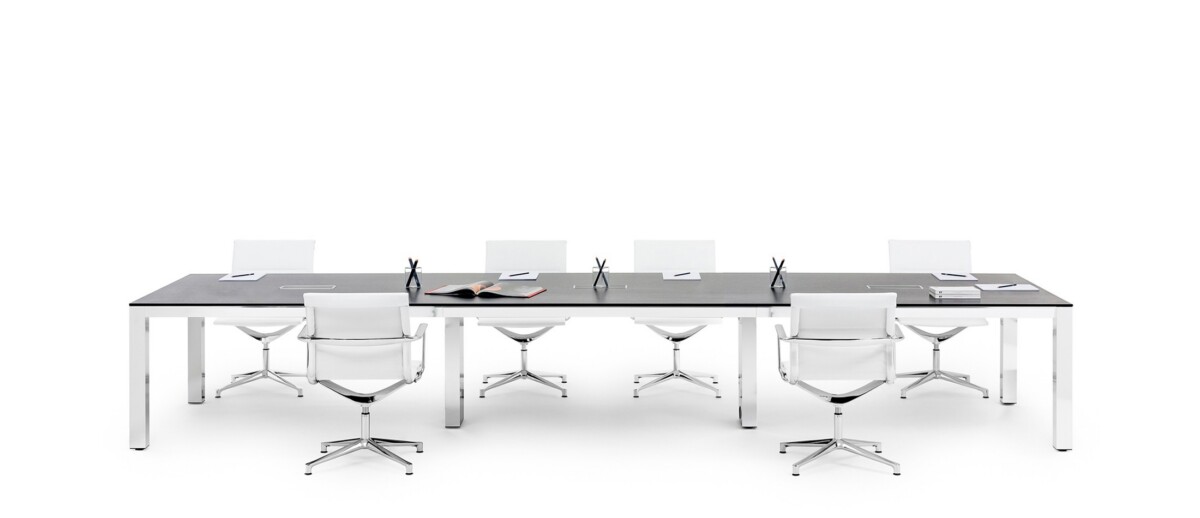
Next, estimate the number of regular users rather than choosing only by the room’s maximum capacity. The available configurations cover groups from six to eighteen people. Allow space for chairs, movement, presentation equipment, and access around the table so the final arrangement remains practical.
Shape and footprint
Oval tables
Oval tops create a softer visual profile and work well when participants need to face one another across a shared surface. They are available in several widths and in both standard-height and high formats.
Rectangular oval-top models
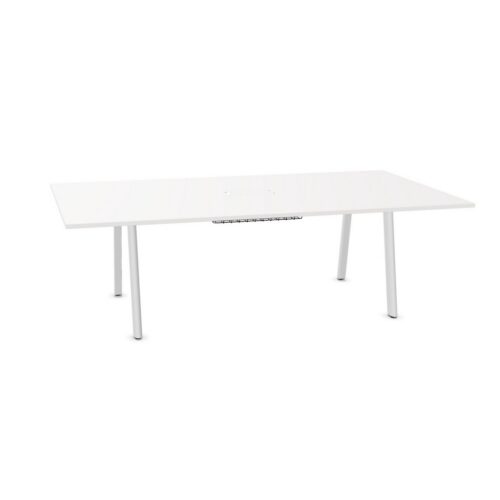
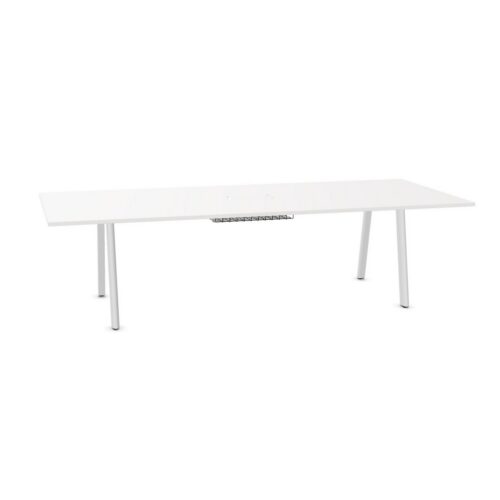
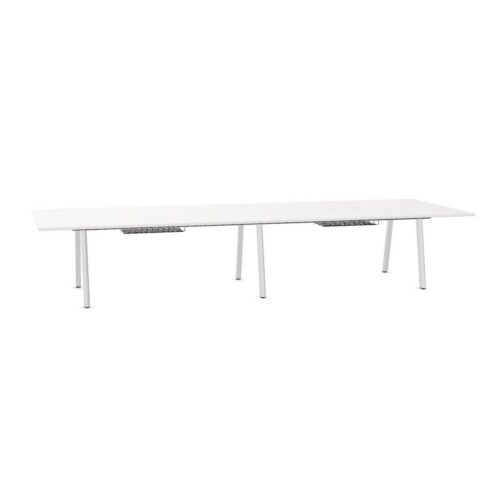
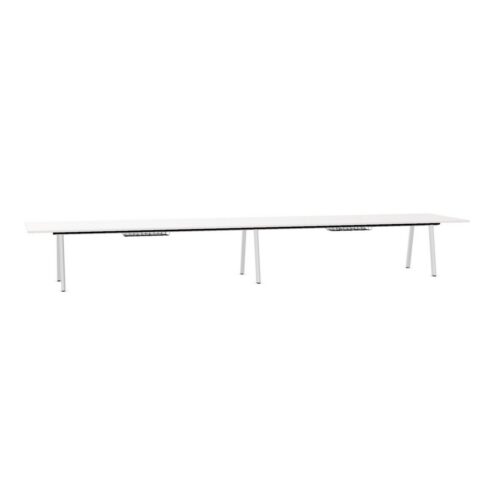
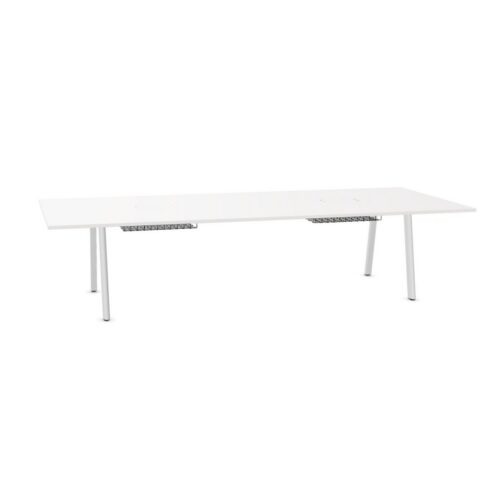
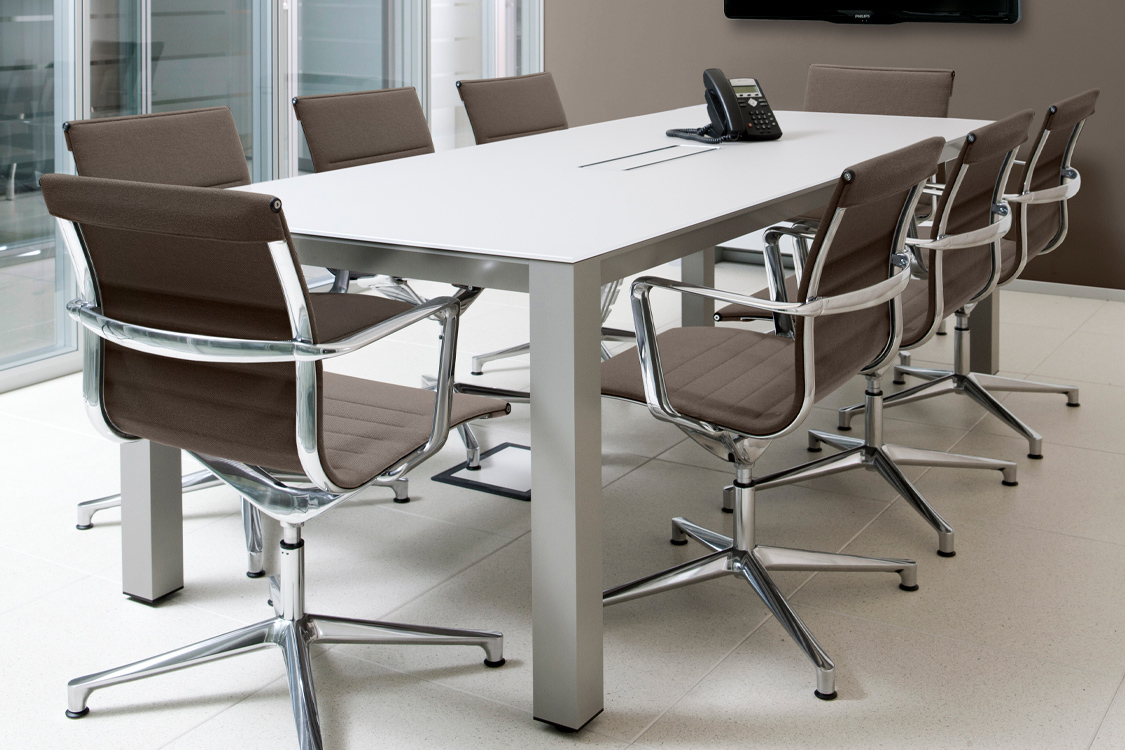
The collection also includes rectangular meeting table configurations with oval top references in the product range. These are useful when the room benefits from a longer, more linear footprint. Check the individual dimensions carefully, as widths range from 200 to 560 cm and depths are either 120 or 140 cm.
Materials, colors, and technology planning
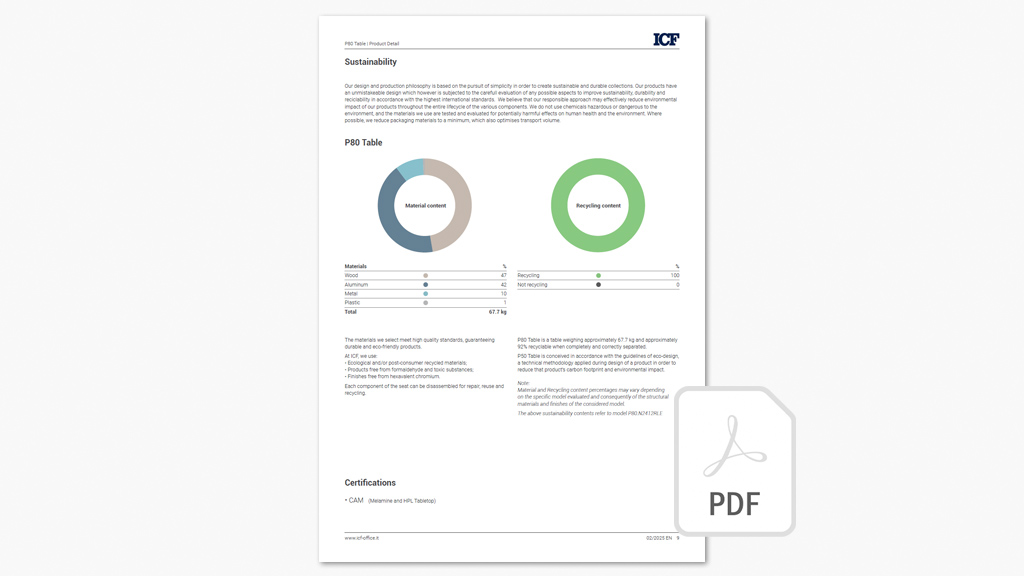
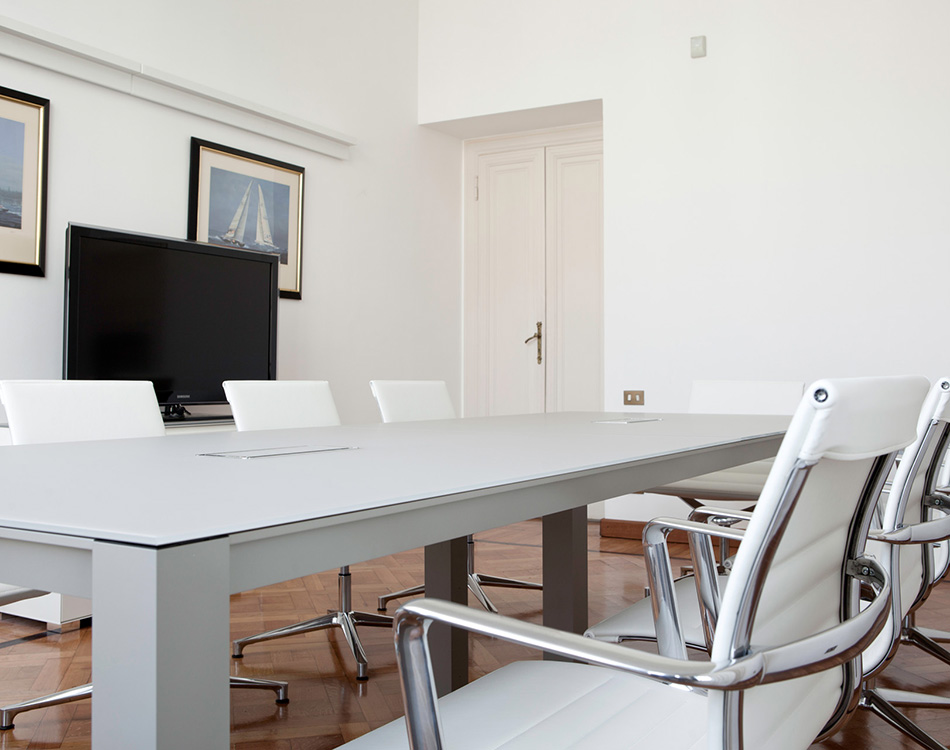
Top options include melamine and HPL, while listed table tops use an ABS edge. Depending on the model, the base may be aluminum, steel, or metal. Surface colors include beige, black, brown, grey, white, and wood; base colors include black, grey, blue, brown, green, and white.
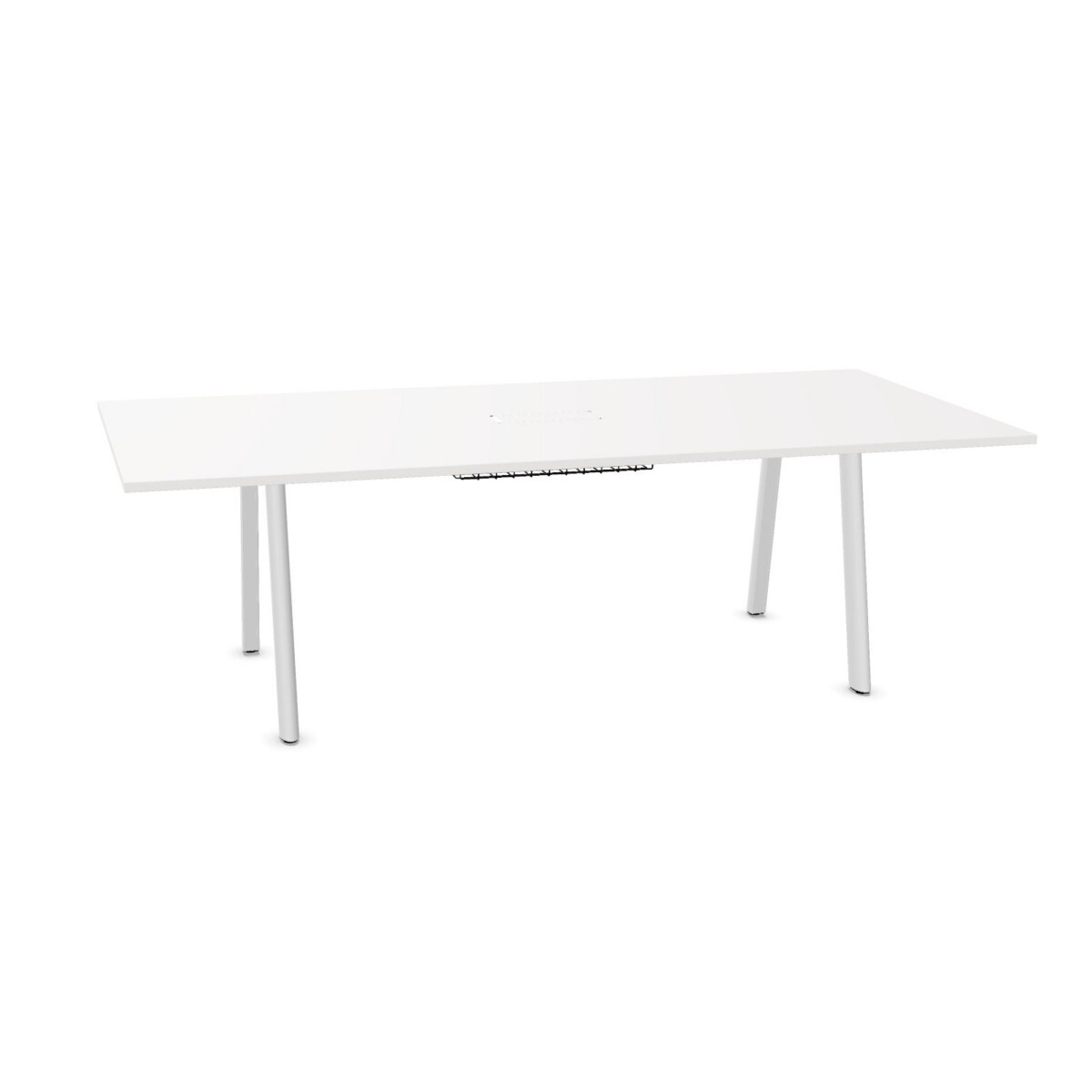
All listed collection attributes indicate suitability for a cable tray, but the cable tray is not included. If your room requires power or data access, confirm the compatible arrangement and plan the cable route before finalizing the layout. The tables are non-adjustable and non-linkable, so height and configuration should be selected at the start.
What to check before leasing
- Confirm the required height: standard or high.
- Match the table width and depth to the room, circulation routes, and seating plan.
- Choose the capacity that fits the intended group size, from six through eighteen people where available.
- Review the top material, edge finish, surface color, base material, and base color.
- Check cable-tray requirements, remembering that compatibility does not mean the tray is included.
- Review the dimensions PDF, user manual, and EPD available for the collection before specifying the table.
Myntwork offers ICF Meeting tables on a monthly lease, making it easier to equip a changing workplace without treating every meeting room as a permanent, one-time specification.
Frequently asked questions about ICF Meeting Table Meeting
Should I choose a standard-height or high ICF Meeting table?
Choose standard height for conventional seated meetings and shared office work. Choose a high model when the room is intended for a more elevated, informal, or active meeting format.
Which ICF Meeting table size is suitable for my team?
The collection includes configurations for 6, 8, 10, 12, 16, and 18 people. Select based on the usual group size, then confirm that the table and chairs leave enough circulation space.
Are ICF Meeting tables available in different shapes?
Yes. The collection includes oval and rectangular configurations. Compare the footprint and dimensions to determine which shape works best with the room layout.
Can I plan a cable tray with these meeting tables?
The collection is suitable for cable-tray use, but a cable tray is not included. Confirm the compatible arrangement and power or data requirements before ordering.
What materials and colors can I compare?
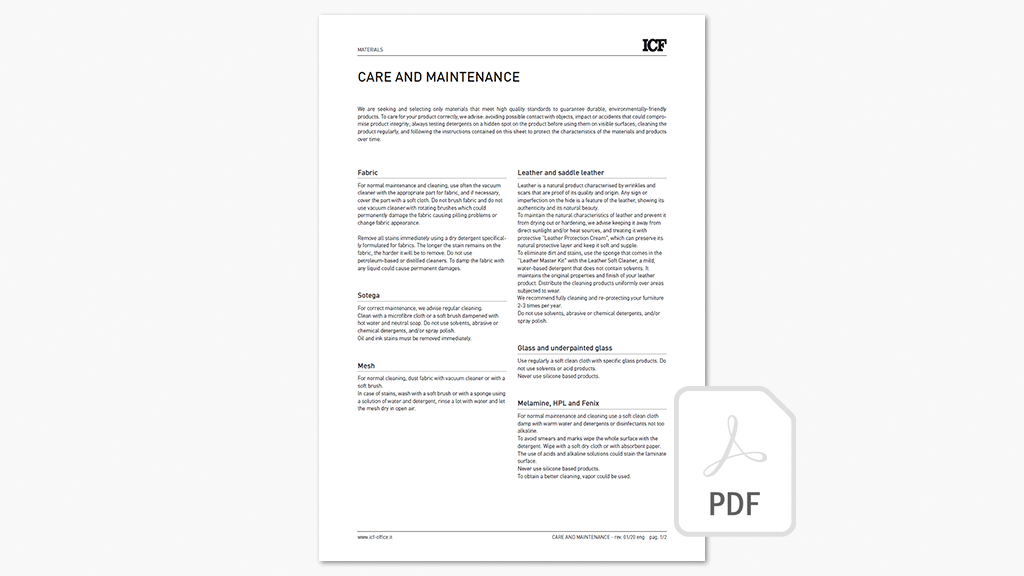
Top materials include melamine and HPL, with ABS edges on the listed models. Base materials include aluminum, steel, and metal, with several surface and base color options.