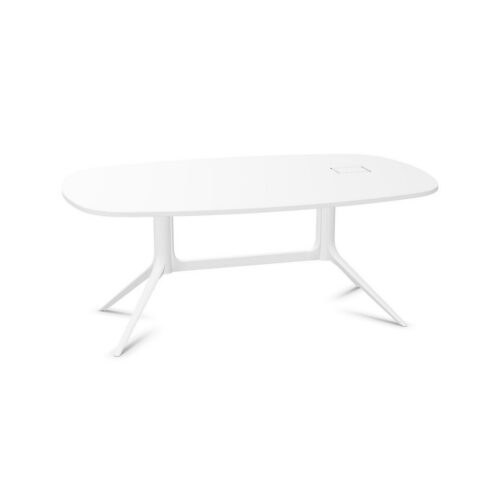
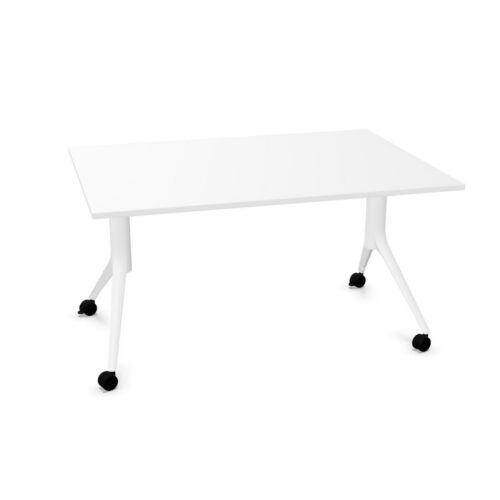
ANSI/BIFMA X5.5 tables offer a relevant performance reference for desks and meeting surfaces used in offices and institutional settings. The standard covers desk and table products, including benching and height adjustable forms. It deals with defined safety and performance tests rather than the style of a room or the comfort of every working posture. When comparing a fixed meeting table with an adjustable collaborative surface, use the standard alongside the actual construction and intended use of each product.
The scope behind X5.5
The standard addresses desk and table products, from conventional work surfaces to selected adjustable or tilting designs. Test procedures consider how the furniture structure behaves under specified forces and repeated actions. A statement of conformity should identify the edition and the product or representative configuration assessed. It does not make an integrated power unit, cable system or electronic height control automatically suitable for a project. Those features bring separate technical questions. ANSI/BIFMA X5.5 tables are best evaluated with a clear description of the complete chosen configuration.
Meeting tables have different jobs
A small square table may support a focused discussion, while a longer conference table needs to accommodate several people, chairs and shared equipment. A high meeting table can encourage short standing conversations, and a sit stand meeting model changes height during use. Consider where legs and bases fall in relation to seats, how people reach the surface and whether the room allows circulation at every side. A table can meet a structural test yet still feel cramped if the layout leaves little room for movement.
Look beyond the tabletop
Top material, edge detail, base shape and joining method affect how a table looks and operates. Melamine surfaces, glass tops and other finishes call for different cleaning practices and can change glare or the feel of a meeting room. Cable trays, electrification and footrests are useful in some settings, but they also need space and sensible placement. When selecting ANSI/BIFMA X5.5 tables, compare how the tested structure relates to these additions. Ask whether the reported model includes the base, top and adjustment option you intend to specify.
Fixed and adjustable surfaces
Fixed tables generally simplify room planning: the relationship between seating, legroom and equipment stays constant. Adjustable tables offer different postures and can serve meetings with varied formats, but controls, cables and moving clearances need attention. The presence of an X5.5 claim should not be read as a detailed ergonomic evaluation of each user. Check the adjustment range given for the specific model and review it with the chairs or stools that will surround the table. Leave enough room for the surface to move without obstructing nearby furniture.
Read the evidence closely
Ask for a test report or declaration naming ANSI/BIFMA X5.5, its edition and the relevant model. Product families may include several top shapes, sizes, bases and options. Verify whether the evidence is stated to cover the exact combination on the room schedule. If a meeting table has electrical accessories, request the appropriate documentation for those components separately. If cleaning, emissions or surface durability are material to the project, gather those details as well. A single standard reference cannot replace a full product specification.
Build a practical comparison
Start with the activities that will happen at the table: presentation, group discussion, laptop work or quick collaboration. Then compare shape, legroom, surface finish, cable access and adjustability. Place ANSI/BIFMA X5.5 tables on the shortlist with their evidence recorded clearly, so structurally documented options can be evaluated consistently. Finally, check chair placement and circulation on the floor plan. For ANSI/BIFMA X5.5 tables, keep a record of the exact top, base and optional equipment that went into the comparison. This helps distinguish a change in finish from a change in construction when a room is furnished in stages. A table succeeds when its tested construction, physical form and day to day use all fit the same room over time and through future rearrangements.