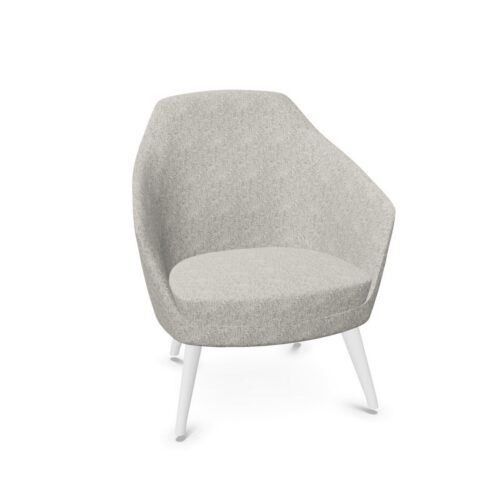
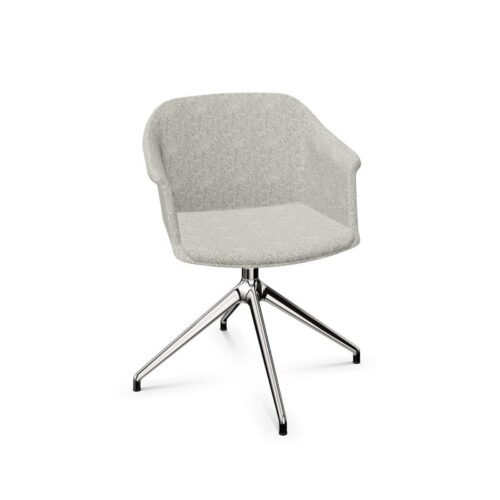
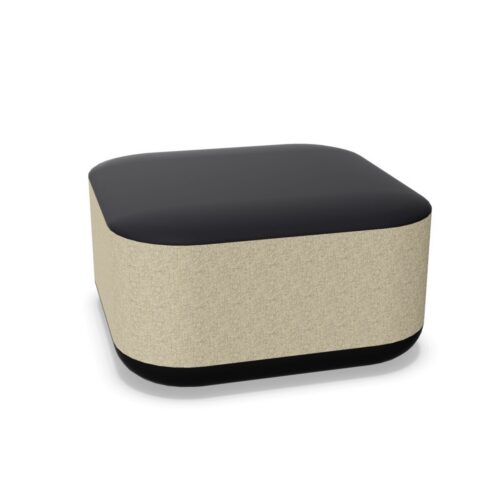
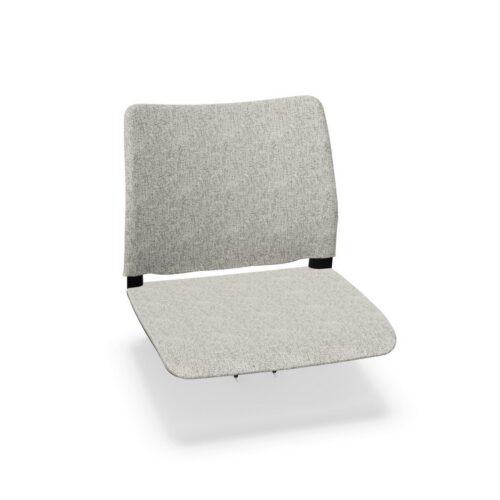
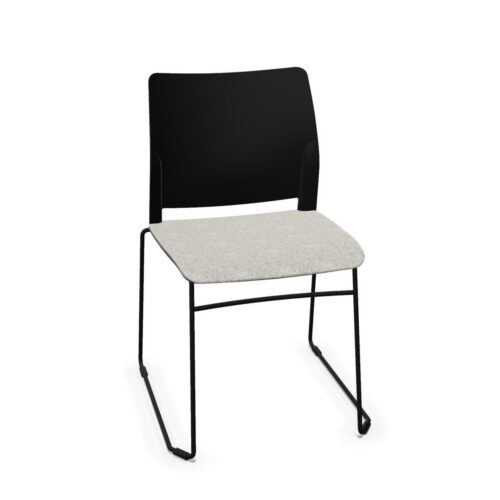
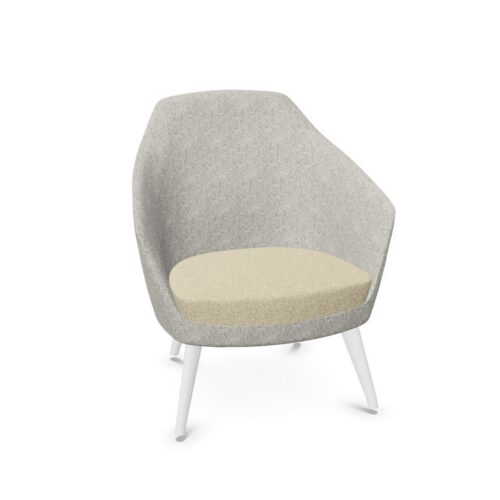
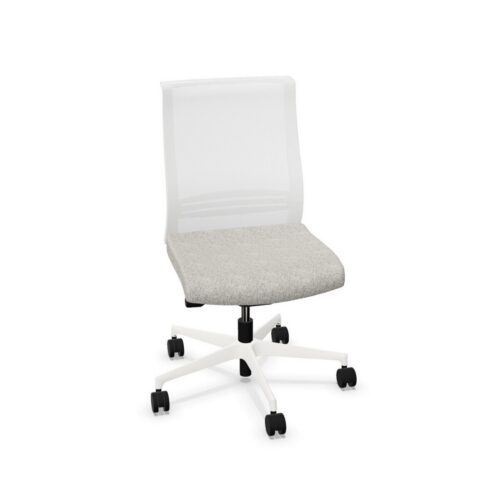
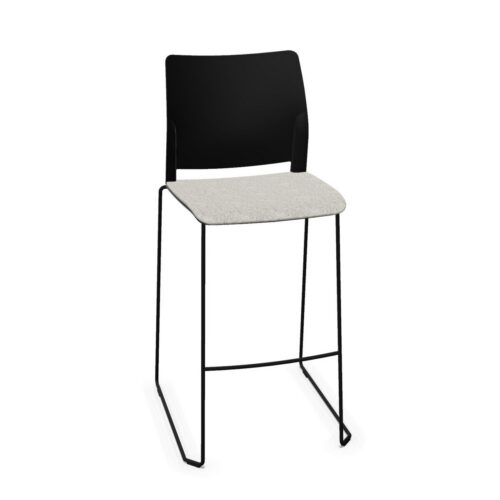
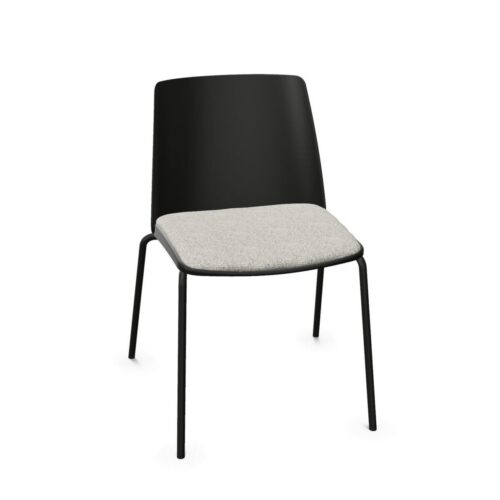
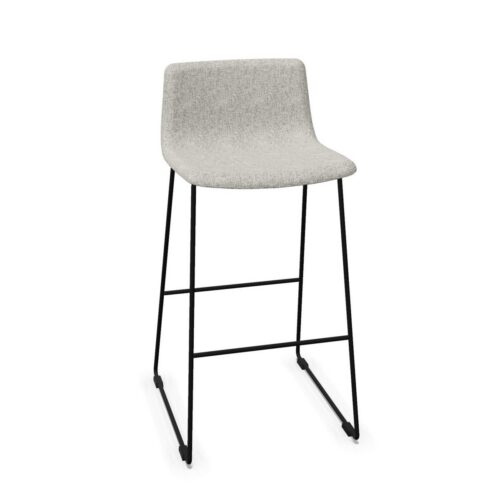
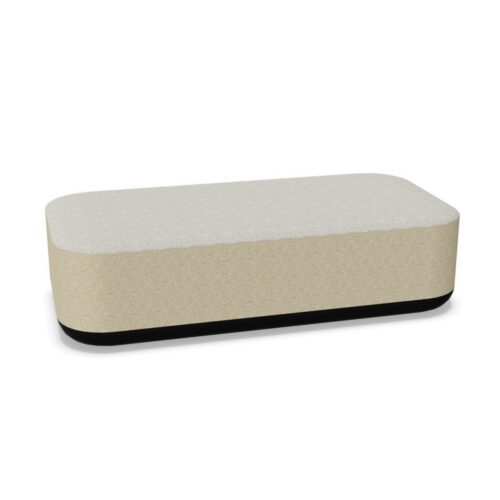
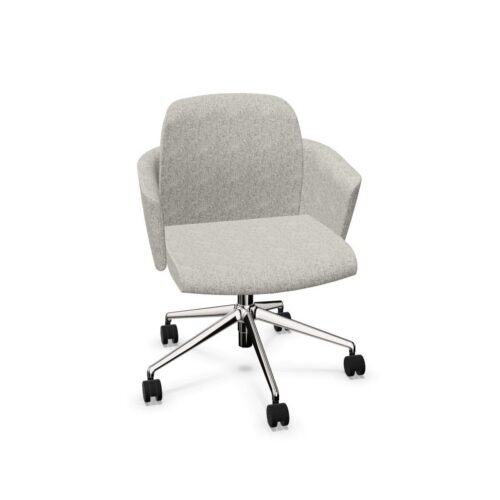
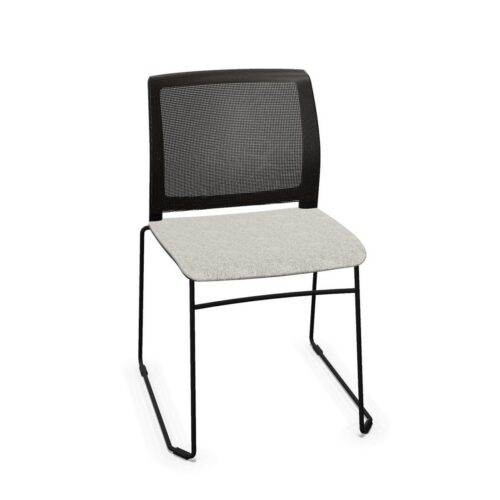
Black office upholstery appears on task chairs, meeting seating, sofas and other lounge pieces. The black surface may cover a seat, backrest or entire upholstered form; frames and bases may differ. This distinction matters when several chairs are placed together. A row of dark backs can create a strong visual boundary, while a black seat pad on an open-frame chair has a lighter effect. Choose the seat for its activity before using the covering to connect spaces.
Assess the task chair with its desk
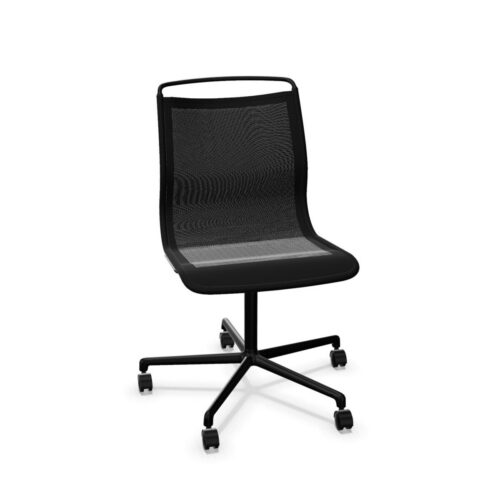
A working chair should support the user’s position at the screen and keyboard. Black office upholstery may be fabric, mesh, leather or another specified covering on the selected model. Check adjustment, arm clearance and chair movement independently of color. A dark seat can visually recede beneath a desk, but the chair still needs room to move back safely.
For shared workstations, consider how easily users can adjust the chair and how the upholstery is maintained. Check the exact textile and cleaning guidance. A chair handled throughout the day may need a different care plan from one assigned to a single user.
Set meeting chairs for repeated use
A meeting chair is paired with a table, not a desk workstation. Review seat height, arm position and space behind occupied chairs. Black office upholstery can make a group of different chair frames feel related, but it will not correct a poor table fit. Draw the room with people seated and a clear route to the door.
Some upholstered meeting chairs use a fabric seat with a different back material. Check which part is black and whether the selected configuration includes matching upholstery on both sides. This is especially visible when chairs face away from the entrance or a presentation screen. Compare the full chair, not only a textile sample.
Give sofas the right place
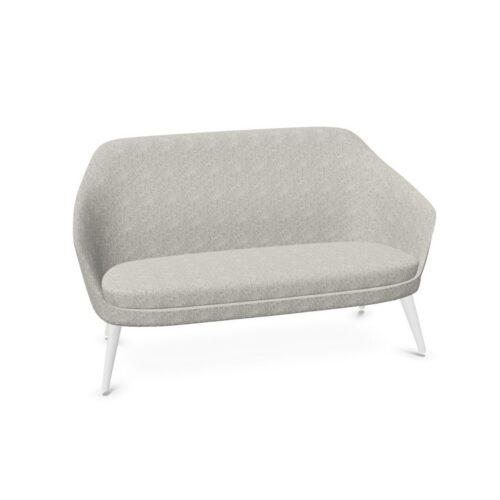
Modular sofas and lounge chairs can support informal meetings or waiting. A black upholstered sofa may define an area strongly, especially if it has a high back. Position it for conversation and leave a way into the group. A low table should be reachable if users bring a drink or device. Check that dark upholstery does not make the lounge feel visually crowded against dark walls or flooring.
Black office upholstery across several modular pieces can create a continuous field. Break it with table placement or varied orientation where useful. The composition should make it easy for someone to join an empty seat without crossing in front of others.
Compare textile and light
Black fabric can look charcoal or deep blue under certain lighting; leather and mesh reflect light differently. View actual samples in the room. Consider how the upholstery appears beside metal, wood-look or colored table surfaces. A common black description does not guarantee that separate products have identical tone or texture.
Black office upholstery may show dust or pale lint, depending on the material. Review care guidance and cleaning access around each seat. A large sofa and a task-chair pad may need different maintenance routines. Material specification is more useful than color alone for that planning.
Connect settings without forcing one chair type
The same upholstery color can tie together desks, meeting rooms and lounges while allowing each space its proper posture. Use task chairs at workstations, meeting chairs at tables and lounge seats for more relaxed exchanges. Check occupied footprints and circulation for each zone.
Black office upholstery can provide visual continuity when the selected coverings are compared in real light. Choose each seat for its function, verify the textile and coverage, and plan maintenance. The result should feel coherent because the furniture works together, not only because the coverings share a color. If chairs from different rooms are moved for a large event, note which models should return to desks and which belong at meeting tables. Their common black upholstery may make them look interchangeable at a glance, but their mechanisms, heights and intended use can differ substantially.

Bralco