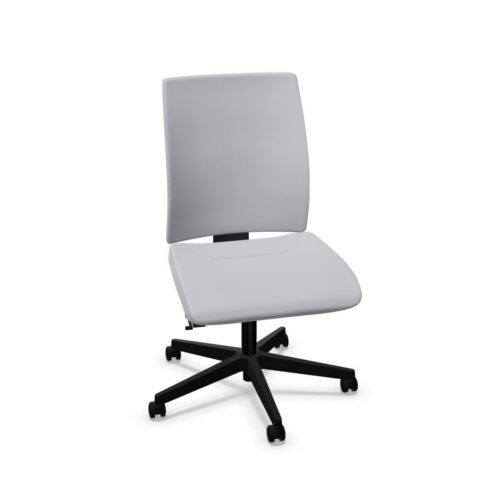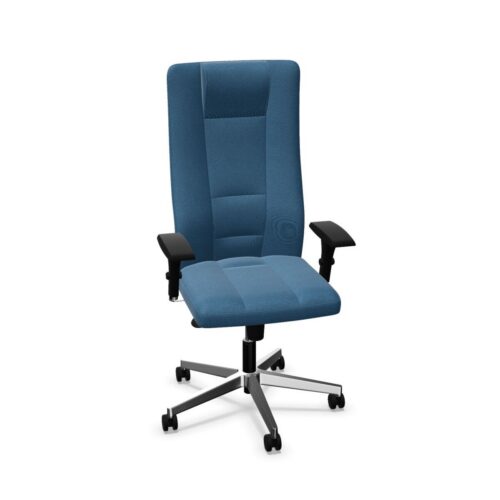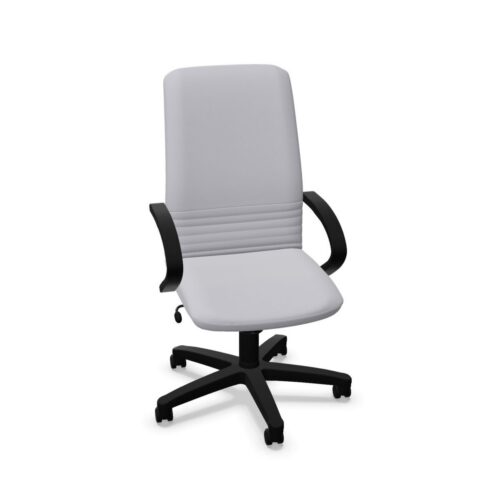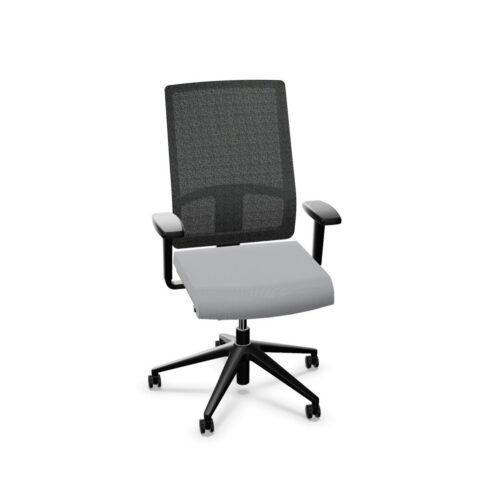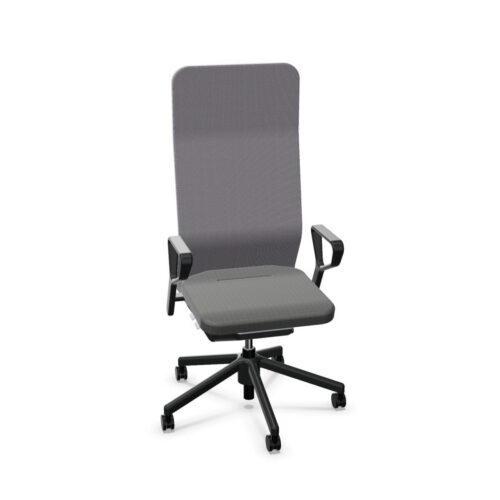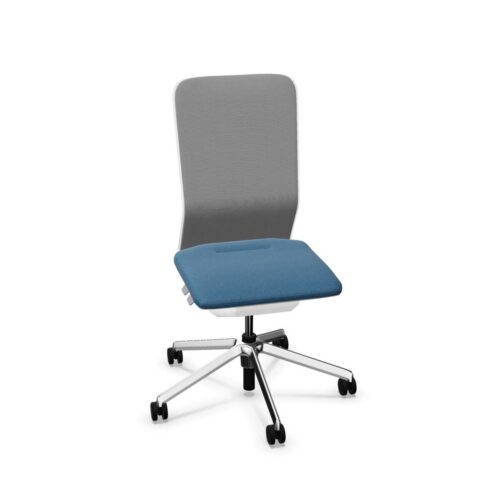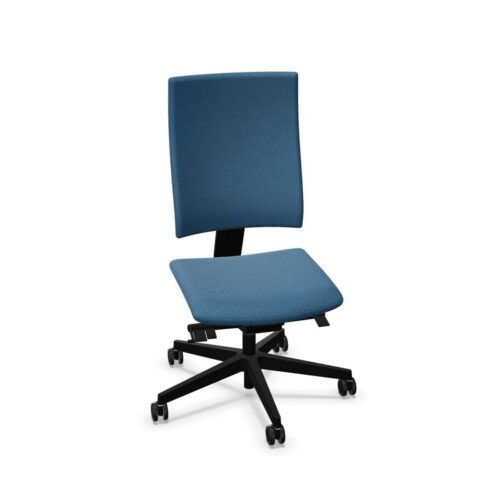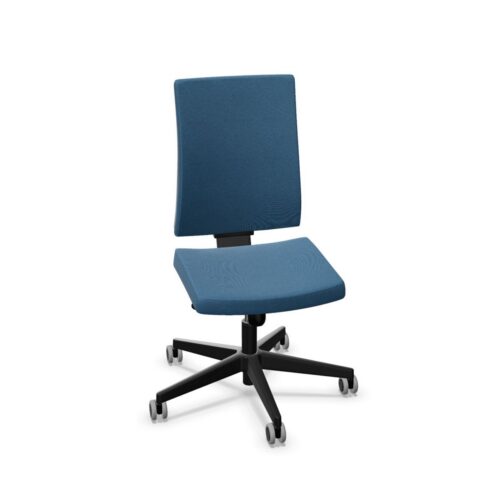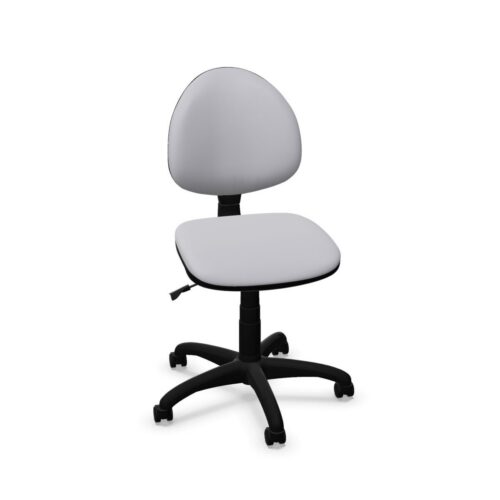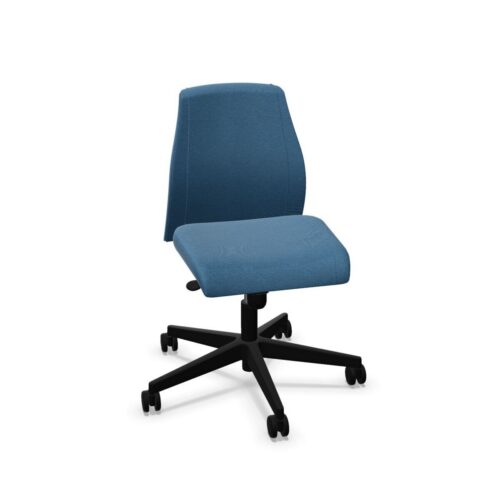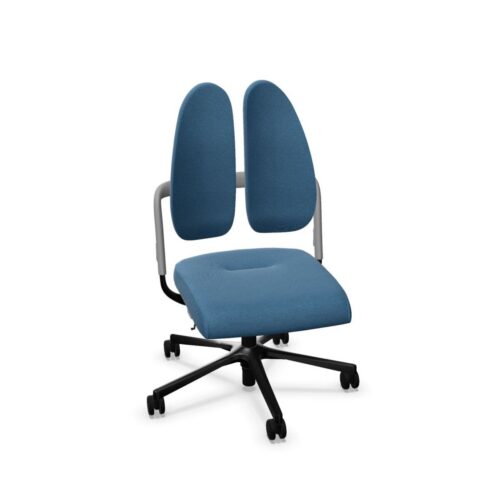


Operator chairs are task-focused office chairs intended for regular use at a desk, workstation or shared work area. They are a practical choice for organisations fitting out individual workstations, project spaces and larger office floors where seating needs to support a variety of users and working patterns.
The term usually describes a chair’s role rather than one fixed design. An operator chair may be upholstered, mesh-backed or mixed-material, and its adjustment options, back shape, base and arm configuration can vary by model. Comparing the individual product specification remains important when selecting chairs for a particular team or environment.
What is an operator chair?
An operator chair is generally designed for desk-based work: using a screen, keyboard, telephone and other everyday workplace equipment. It commonly has a swivel base and castors so the user can turn and move around their immediate workstation without repeatedly standing up.
Unlike a visitor chair, which is often intended for shorter meetings, an operator chair is normally selected with daily seated work in mind. It may be used in assigned positions or in flexible workplaces where different people use the same desk at different times. The level and range of adjustment differs between products, so an operator chair should be considered as a broad category rather than an assurance of a particular ergonomic configuration.
Why operator seating matters in workplace planning
Seating is one part of a considered workstation. The right chair can help a workplace accommodate different users, desk layouts and tasks, while providing a consistent visual approach across a floor or department. For procurement teams, specifying an operator-chair category can also make it easier to compare appropriate models across a larger requirement.
- It suits focused individual work at desks and benching systems.
- Swivel mobility can support access to nearby equipment, storage and colleagues.
- A choice of models allows requirements to be matched to budget, use frequency and workplace design.
- Options in different materials and finishes can complement existing desks, screens and meeting furniture.
- Product-level features can be assessed consistently across a multi-seat order.
Chair selection should sit alongside the wider workstation arrangement. Desk height, monitor position, available space and the way people work all affect whether a particular model is suitable.
Where are operator chairs commonly used?
Operator chairs are found in many professional settings, from compact offices to large, multi-zone workplaces. Their desk-oriented format makes them relevant wherever people need a mobile, supportive seat for routine computer-based work.
- Open-plan office workstations and desk neighbourhoods.
- Private offices and management workspaces.
- Shared desks and hot-desking areas.
- Customer service, administration and call-handling teams.
- Project rooms, studios and operational support spaces.
- Home-working setups where a conventional desk chair is required.
For spaces used primarily for brief discussions, training sessions or guest seating, a meeting or visitor chair may be more appropriate. In workplaces with a mix of individual and collaborative settings, combining task seating with other chair types can give each area a clearer purpose.
Common operator-chair configurations
The products within this category can take several forms. A fabric-upholstered back may suit an office scheme that calls for a softer, more traditional appearance, while a mesh back can provide a lighter visual profile. Some chairs have arms and others are armless; some use a headrest, while many do not. These choices should relate to the task, space and intended users rather than appearance alone.
Look at the chair’s stated mechanism and controls to understand how it is meant to move and adjust. Depending on the model, this may include seat-height adjustment, back or tilt movement, seat-depth adjustment, lumbar support, arm adjustments or tension control. The presence of one feature does not indicate the presence of the others, so product descriptions and technical details should be reviewed carefully.
Choosing an operator chair for your team
Start by defining how and for how long the chair will be used. A chair for occasional desk work may call for a different specification from one used throughout a working day or by multiple shifts. In a shared environment, straightforward controls and a broad adjustment range may be useful, but the right balance depends on the people and tasks involved.
Also consider the physical setting. Check that the chair’s dimensions work with the desk and available clearance, particularly where workstations are closely arranged. Base and castor choice should be suitable for the floor surface, while arms need to fit beneath the desk where this is required. If a team uses a mix of desk sizes or monitor setups, assess the workstation as a whole rather than buying chairs in isolation.
Questions to consider
- Will the chair be used by one person or by several users?
- What adjustment functions are required for the expected working pattern?
- Do arms need to clear the underside of the desk?
- Which upholstery, mesh or finish will suit the interior and practical maintenance needs?
- Is there sufficient space for movement and access around each workstation?
- Are there workplace assessment requirements that should inform the specification?
Operator chairs and ergonomic workstation setup
An operator chair can contribute to a more adaptable workstation, but it is only one element of a suitable setup. Users should be able to position their chair in relation to the desk, screen and input devices in a way that supports their task. Individual needs can vary considerably, particularly where a workstation is used for extended periods.
Adjustments are most useful when users understand what they do and when the rest of the workspace can be arranged accordingly. Organisations may wish to consider internal workstation processes and relevant assessment arrangements when introducing new seating. For a broader overview of the considerations involved, see our guide on how to choose an office chair.
Planning a coordinated office seating range
When furnishing a larger workplace, operator chairs can form the core seating provision for desk areas, with other seating specified for meeting rooms, reception spaces and informal zones. A consistent chair family or compatible finishes can help create visual continuity, while differing models can be assigned according to the demands of each area.
Review the available office chairs alongside the needs of each workspace to compare task seating with meeting, visitor and specialist options. This helps ensure that desk areas, shared spaces and supporting rooms are furnished with chair types appropriate to their intended use.