


Mehrzweckstühle fürs Büro können in unterschiedlichen gemeinsam genutzten Bereichen stehen: am Gemeinschaftstisch, in einem Besprechungsraum oder in einer Pausezone. Damit ein Stuhl an mehreren Orten funktioniert, muss er zu jeder dort vorgesehenen Nutzung passen. Beginnen Sie daher nicht bei der Idee eines überall gleichen Stuhls, sondern bei den Aufgaben und Räumen. Vergleichen Sie die ausgewählten Stühle mit den jeweiligen Tischhöhen, Sitzordnungen und Bewegungswegen. Eine vielseitige Ausführung ist erst dann hilfreich, wenn ihre Eigenschaften auch im konkreten Alltag gebraucht werden.
Die verschiedenen Nutzungen erfassen
Bleiben die Stühle in einem Raum, der für verschiedene Zwecke genutzt wird, oder wandern sie zwischen mehreren Bereichen? An einem Gemeinschaftstisch sitzt man anders als bei einer kurzen Besprechung. In einer Pausezone werden Plätze vielleicht häufiger gewechselt. Schreiben Sie diese Abläufe auf und prüfen Sie für jeden, wie Menschen an den Tisch heranrücken und wieder aufstehen.
Mehrzweckstühle fürs Büro sollten an den vorgesehenen Flächen getestet werden. Legt eine Person dort Unterlagen, ein Gerät oder ein Getränk ab? Reicht die Bewegungsfreiheit zum gemeinsamen Arbeiten oder Gespräch? Eine Sitzhöhe, die an einem Tisch passt, muss an einer anderen Fläche nicht dieselbe Beziehung herstellen. Solche Unterschiede werden deutlich, wenn die Möbel zusammen betrachtet werden.
Gemeinschaftstische im Alltag betrachten
In Kantinen- und Gemeinschaftsbereichen wechseln die Nutzenden oft. Jeder Platz sollte auch dann erreichbar sein, wenn die Nachbarstühle besetzt sind. Prüfen Sie die Wege zum Tisch und den Raum hinter zurückgeschobenen Stühlen. Eine dicht gestellte Reihe mag im leeren Raum ordentlich aussehen, kann aber im benutzten Bereich den Durchgang erschweren.
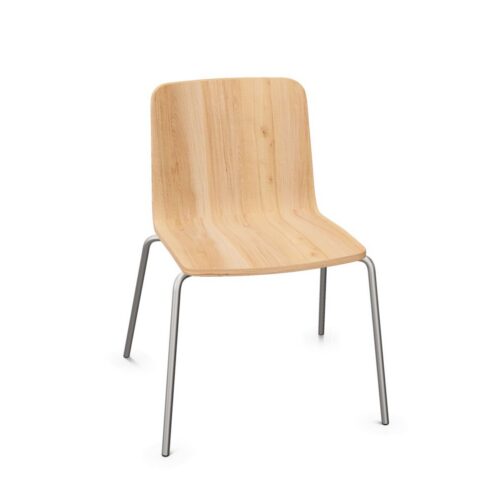
Sehen Sie sich die Materialien von Sitz und Rücken der gewählten Ausführung an. Je nach Oberfläche und Aufbau können Pflegehinweise unterschiedlich sein. Bei gemeinsam genutzten Möbeln ist es sinnvoll, diese Informationen früh zu berücksichtigen. Aus dem Namen Mehrzweckstuhl lässt sich weder eine bestimmte Reinigung noch eine bestimmte Eignung für jede Umgebung ableiten. Entscheidend ist die konkrete Produktvariante und die Nutzung des Raums.
Sitzplätze für Besprechungen planen
Mehrzweckstühle fürs Büro können auch für Gruppenbesprechungen vorgesehen sein. Prüfen Sie, wie die Menschen einander sehen und wie sie Unterlagen auf der gemeinsamen Fläche erreichen. Das Tischgestell kann einzelne Sitzpositionen beeinflussen. Zeichnen Sie Stühle und Stützen zusammen ein, statt die Plätze nur gleichmäßig an der Tischkante zu verteilen.
Wird derselbe Stuhl in mehreren Besprechungsräumen eingesetzt, testen Sie ihn in jeder typischen Anordnung. An einem kleinen Gesprächstisch sitzt man näher beieinander als an einer größeren Konferenzanlage. Auch die Sicht zu einem Bildschirm kann anders sein. Der Vergleich muss diese tatsächlichen Situationen abdecken; die allgemeine Bezeichnung als Mehrzweckstuhl ersetzt keine Raumplanung.
Gestell und Armlehnen passend auswählen
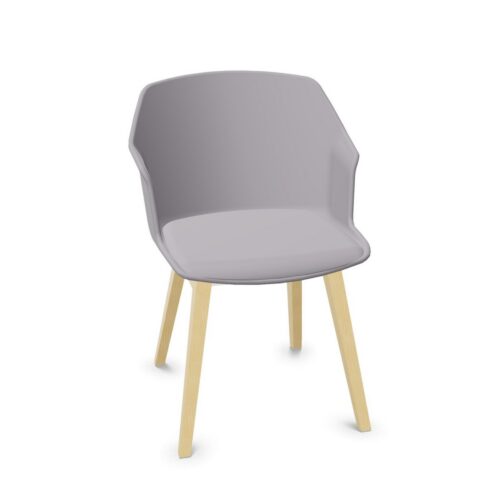
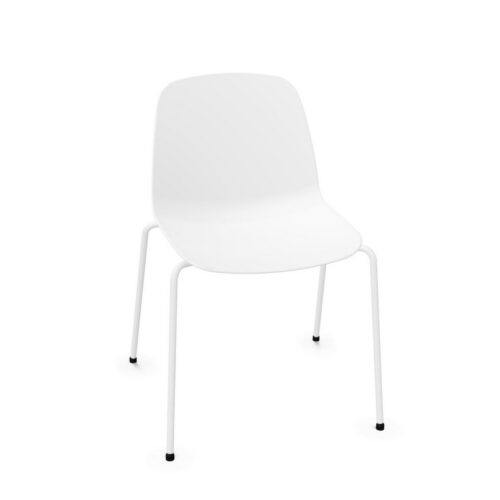
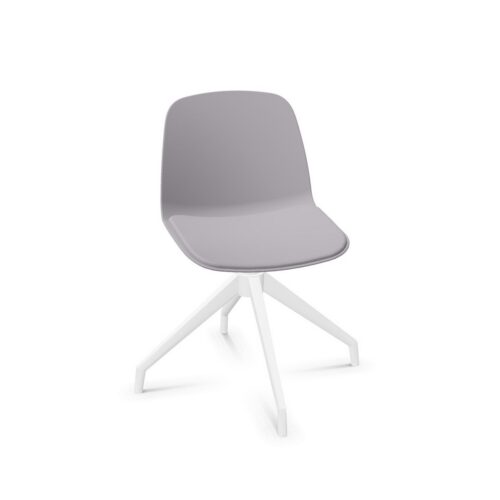
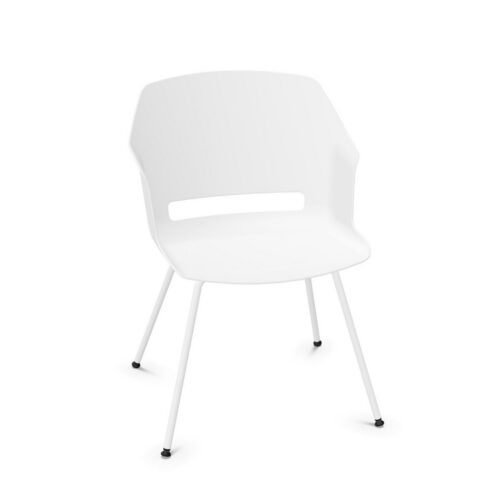
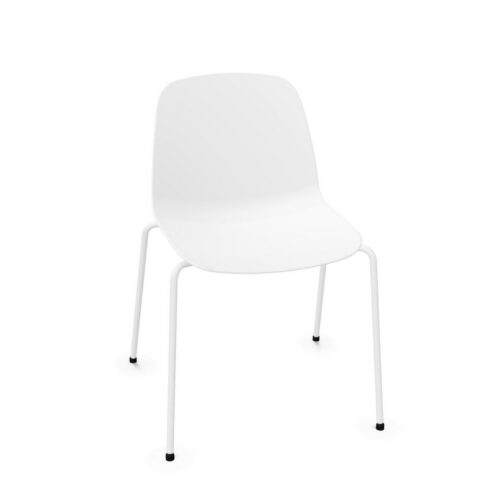
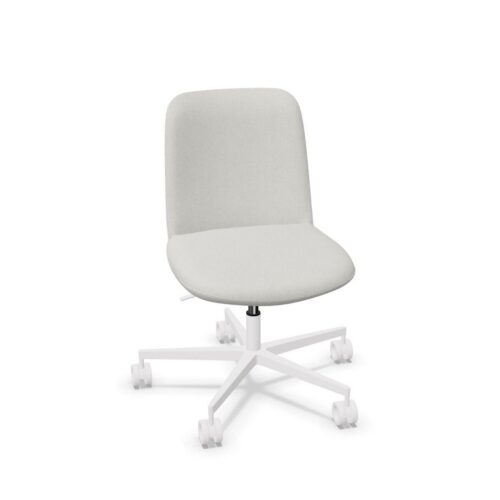
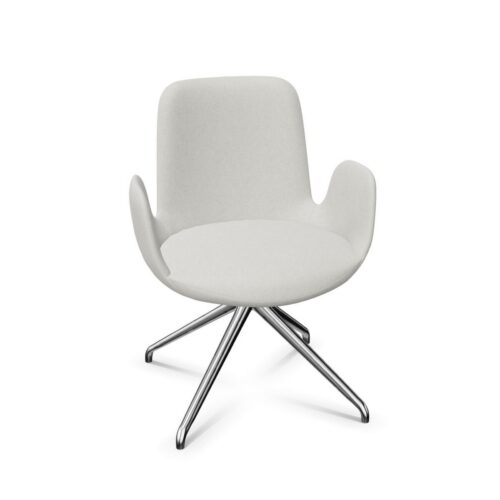
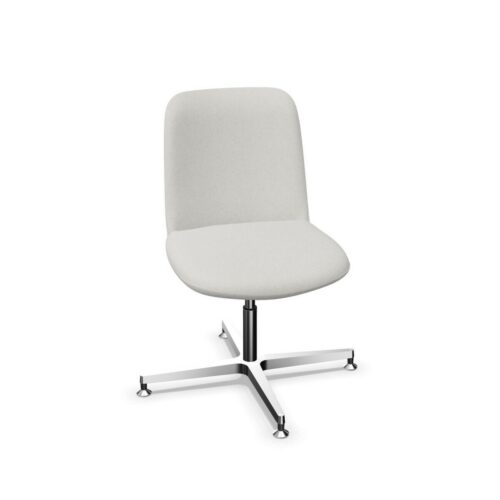
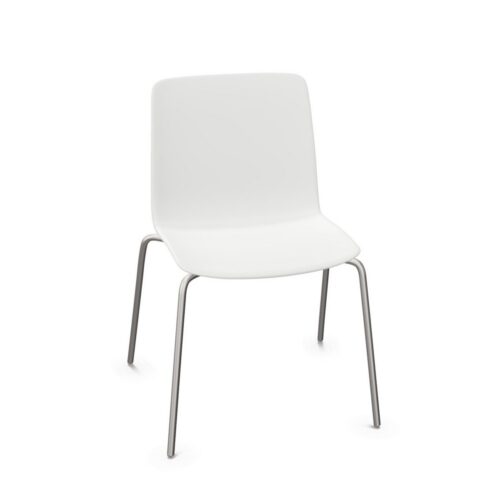
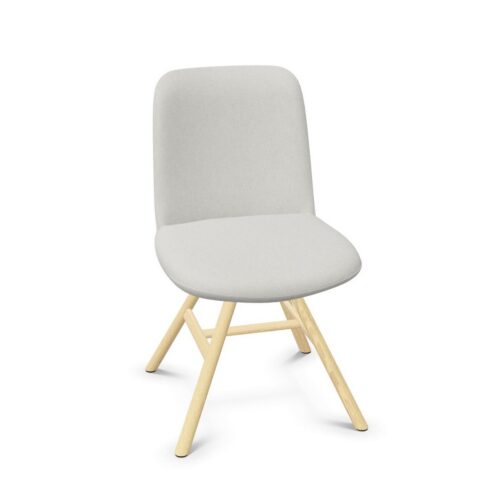
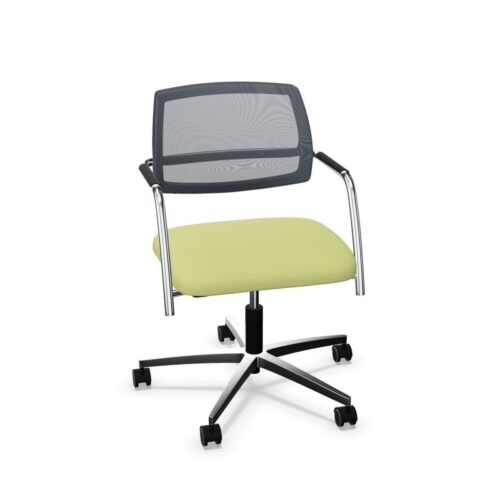
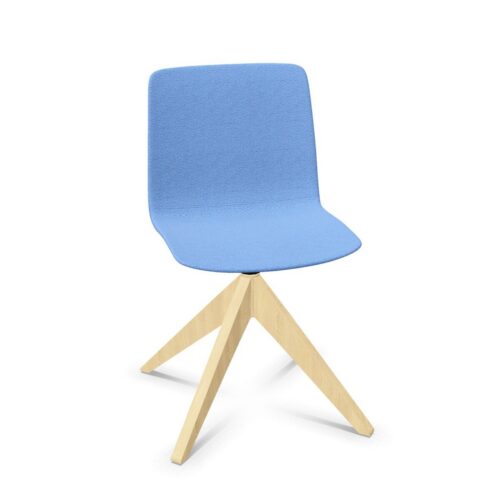
Innerhalb einer Modellfamilie können verschiedene Gestelle angeboten werden, etwa vier Beine, ein Freischwinger oder ein drehbarer Unterbau. Diese Varianten unterscheiden sich in Standfläche und Bewegung. Prüfen Sie den Boden, die Tischbeine und den Platz, den Menschen beim Hinsetzen brauchen. Ein Stuhl, der oft verschoben wird, hat andere praktische Anforderungen als einer, der dauerhaft an einem festen Tisch steht.
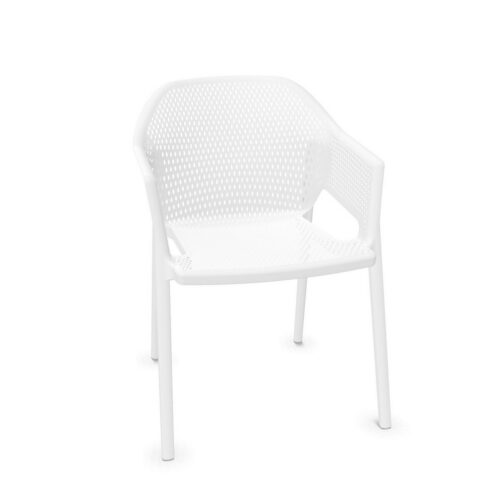
Auch Armlehnen sind je nach Ausführung vorhanden oder fehlen. Vergleichen Sie die gewählte Variante mit der Tischkante und den erwarteten Nutzenden. Lässt sich der Stuhl weit genug heranrücken? Bleibt beim Aufstehen ausreichend seitlicher Raum? Wenn mehrere Gestell- oder Armvarianten angeboten werden, halten Sie die geprüfte Kombination fest. Gleiche Bezüge können sehr unterschiedliche Konstruktionen verdecken.
Bewegung und Aufbewahrung klären
Sollen Stühle häufig bewegt, gestapelt, verbunden oder gelagert werden, müssen diese Funktionen am konkreten Produkt überprüft werden. Mehrzweckstühle fürs Büro besitzen solche Eigenschaften nicht automatisch. Prüfen Sie die entsprechenden Angaben und überlegen Sie, wer die Möbel umstellt und wie oft. Eine theoretisch flexible Raumordnung hilft wenig, wenn der Wechsel im Arbeitsalltag zu aufwendig ist.
Planen Sie auch einen Aufbewahrungsort für Stühle, die in einer bestimmten Anordnung nicht gebraucht werden. Wie gelangen sie dorthin, und bleibt der Weg für andere nutzbar? Bei mehreren Raumvarianten sollte jede mit den tatsächlich verfügbaren Stühlen eingerichtet werden können. So wird die Wandelbarkeit des Raums praktisch nachvollziehbar.
Gemeinsame Räume gestalterisch verbinden
Eine wiederkehrende Stuhlform kann verschiedene Bürobereiche optisch zusammenhalten. Vergleichen Sie Gestellfinish, Sitzfarbe und Rückenprofil mit Tischen und anderen Möbeln. Ein gemeinsames Detail genügt oft, während die einzelnen Räume je nach Tätigkeit unterschiedlich eingerichtet bleiben. Entscheidend ist, dass die Gestaltung zu den dortigen Sitzpositionen passt.
Mehrzweckstühle fürs Büro wählen Sie anhand der konkreten Nutzungen, Varianten und Grundrisse. Prüfen Sie die Sitzbeziehung an jedem vorgesehenen Tisch sowie mögliche Anforderungen an Bewegung und Lagerung. Dann hat die Vielseitigkeit des Stuhls einen nachvollziehbaren Nutzen.











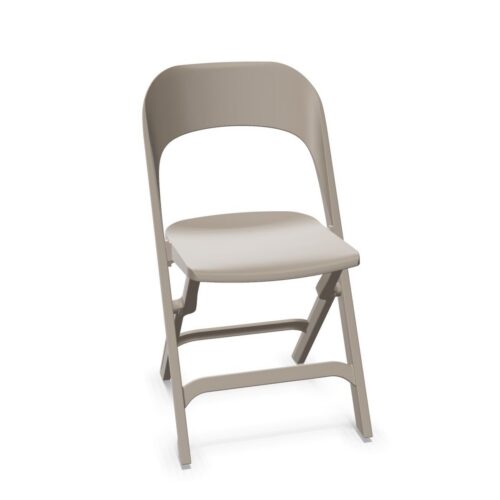
Gaber