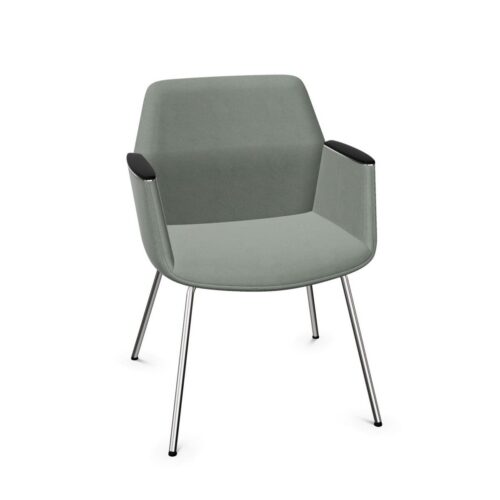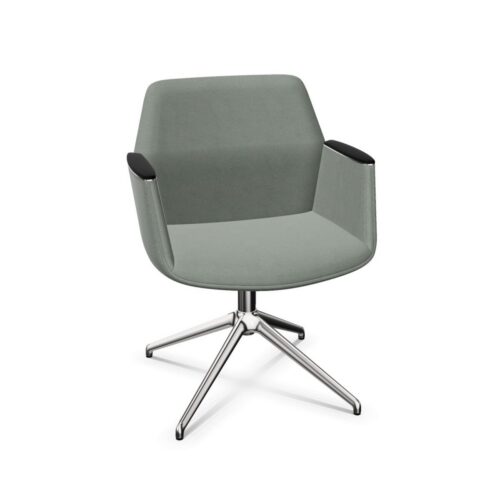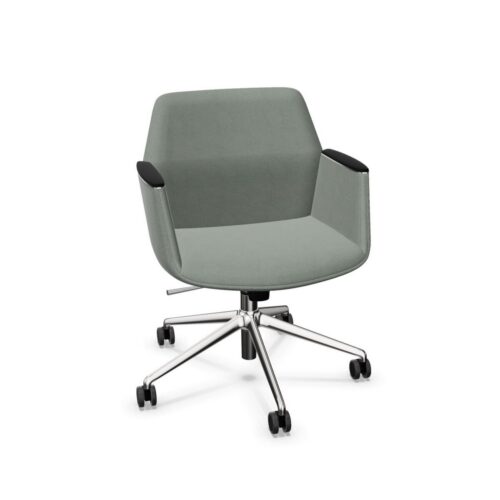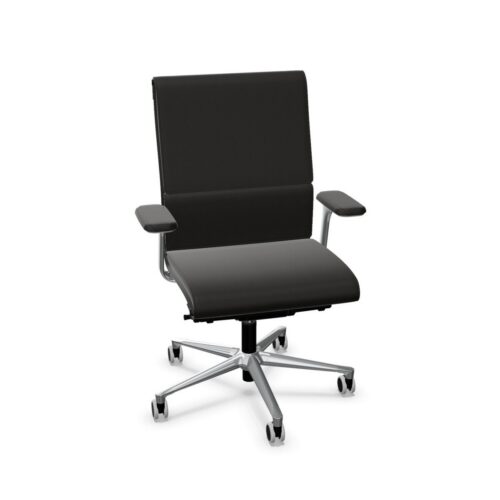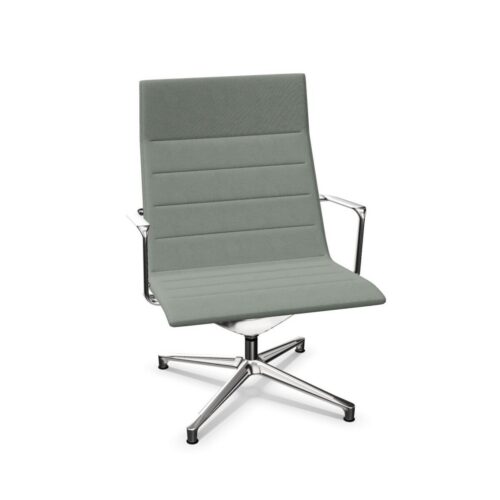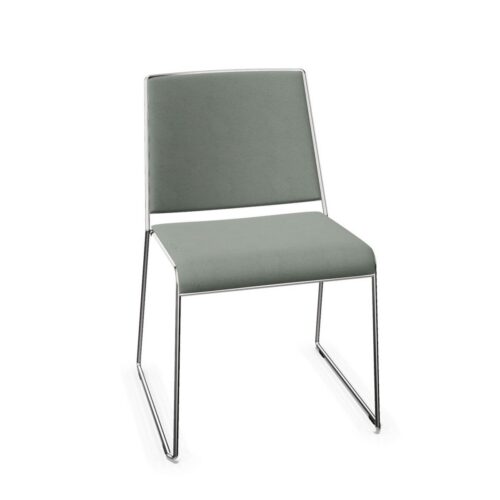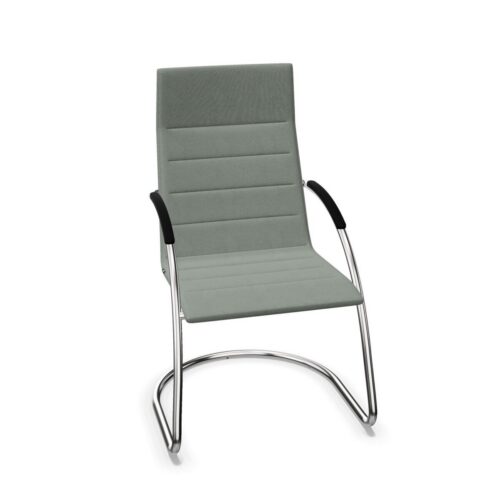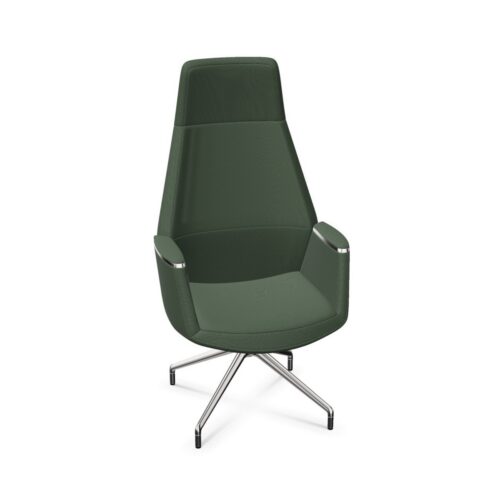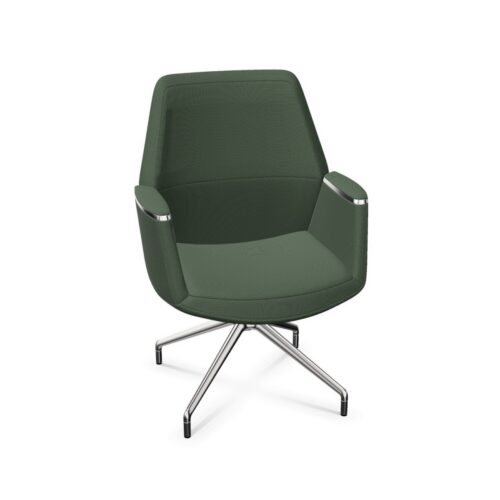


BS 7176 Medium Hazard office furniture refers to upholstered seating and related products specified for a non-domestic setting where the relevant medium-hazard level is required. BS 7176 is a British Standard used to assess the fire performance of upholstered furniture in contract environments, helping specifiers compare products against the requirements of a particular workplace or public-use project.
This filter brings together Myntwork furniture carrying this stated fire-resistance classification. It is useful when a project brief, building operator, facilities team or fire-risk assessment identifies BS 7176 Medium Hazard as the appropriate requirement. The classification should be considered alongside the product specification, upholstery selection and the conditions of the individual installation.
What does BS 7176 Medium Hazard mean?
BS 7176 is the British Standard for assessing the ignitability of upholstered furniture used in non-domestic environments. Rather than being a general description of a fabric or a visual product feature, it relates to a defined fire-performance requirement for upholstered furniture and its materials in a contract setting.
Medium Hazard is one of the hazard categories used within the standard. It is commonly specified where furniture will be used outside a private domestic home and where the anticipated environment, occupancy and management arrangements call for a more considered upholstery fire specification. The correct category is normally set by the project’s fire strategy, client brief, insurer, building manager or other responsible professional.
A product shown under this attribute has the stated BS 7176 Medium Hazard designation in its available specification. It does not remove the need to check the documentation for the exact product, fabric, finish and configuration being ordered.
Why fire-resistance information matters in furniture procurement
Fire-performance requirements are an important part of contract furniture procurement because seating is often installed in shared, customer-facing and managed spaces. Recording the required standard early can help design, workplace and procurement teams narrow down suitable options before colours, dimensions and layouts are finalised.
- It supports alignment with an employer’s requirements, project specification or building-management policy.
- It helps teams identify upholstery options suitable for a stated non-domestic use.
- It makes it easier to compare seating ranges on a consistent specification point.
- It encourages product and fabric information to be checked before an order is placed.
- It can assist handover records where furniture specifications need to be retained for facilities management.
Fire resistance is only one consideration. A complete furniture decision should also account for intended use, access, cleaning needs, ergonomics, durability, electrical requirements where relevant, and the practical arrangement of the space.
Typical settings for Medium Hazard upholstery
Medium Hazard requirements may appear in briefs for a range of managed commercial and public-facing interiors. The appropriate classification depends on the specific building and its risk assessment, not simply on the name of the room or sector.
For example, a procurement team may encounter this requirement when planning reception and waiting areas, workplace breakout spaces, meeting lounges, visitor zones, education settings, accommodation common areas or hospitality-influenced interiors. In each case, the project team should confirm whether Medium Hazard is required for the precise location and furniture type.
Where a site includes several kinds of spaces, it is sensible not to assume one specification automatically applies everywhere. A quiet executive meeting room, a busy public reception and a staff-only collaboration area may be governed by different operational considerations.
Furniture types commonly specified with this classification
The standard is most relevant to upholstered products. Within an office or contract furniture scheme, that can include individual lounge chairs, sofas, modular seating, booth seating, upholstered meeting chairs, soft seating and some upholstered stools or benches. Availability varies by range, upholstery and chosen configuration.
- Reception seating designed for visitors and waiting areas.
- Soft lounge furniture for informal meetings and touchdown spaces.
- Upholstered chairs used in meeting, training or collaborative settings.
- Booths and modular arrangements for shared workspaces.
- Accent seating used to create more comfortable, hospitality-style office zones.
Desks, storage, tables and task chairs may have their own material, finish and compliance considerations, but should not be assumed to fall within an upholstery fire-resistance designation merely because they form part of the same room.
How to choose furniture with a BS 7176 requirement
Begin with the wording in the project documentation. Confirm whether BS 7176 Medium Hazard is specified, whether it applies to every upholstered item, and whether a particular fabric, foam, lining or product construction must be used. This avoids selecting a base model that cannot be supplied in the required upholstery specification.
Next, consider how the furniture will be used. High-turnover visitor seating, informal collaboration areas and longer-stay lounge spaces each place different demands on comfort, cleaning and layout. Select the product type first, then check the available upholstery options against the fire-resistance requirement.
Questions to consider
- Does the written brief specifically require BS 7176 Medium Hazard?
- Which rooms, zones and upholstered products are within scope?
- Is the classification required for the selected fabric and the complete upholstered construction?
- Are there cleaning, stain-management or maintenance requirements for the chosen upholstery?
- Will the furniture be moved between areas with different usage or fire-specification requirements?
- What product information and records need to be retained at project handover?
For larger schemes, it can be helpful to keep a schedule showing each furniture item, selected upholstery, location and stated requirement. This provides a clearer route for checking substitutions and maintaining consistency through the order process.
Checking the specification carefully
Fire-resistance terminology should be read precisely. BS 7176 Medium Hazard is not interchangeable with a broad statement that a product is “fire retardant”, nor should it be inferred from the look or composition of an upholstery. A product’s compliance information can depend on the exact combination of cover material and upholstery construction.
Before finalising a specification, review the product details and seek the relevant supporting information for the selected version. If the project is subject to a formal fire strategy or sector-specific guidance, the responsible adviser should confirm that the proposed furniture meets the applicable requirement. Myntwork’s archive filter helps identify relevant options, while the final product specification remains the key reference point.
Planning a coordinated office interior
Furniture with a Medium Hazard classification can form part of a broader workplace plan that balances comfort, circulation and operational needs. Consider the relationship between soft seating, workstations, meeting settings and storage, particularly where reception or collaboration zones need to support changing visitor and staff numbers.
Browse the wider office furniture collection to consider complementary desks, tables, seating and storage. For practical guidance on layouts, product selection and the factors that shape a workplace scheme, see Myntwork’s resource on choosing office furniture.