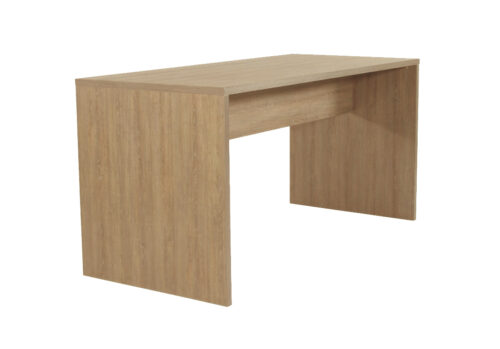


Office furniture with oak bases combines a natural wood-inspired appearance with the structural elements of desks, tables, chairs, storage and other workplace furniture. Oak is one of the most widely used finishes in commercial interiors because its warm grain works well with both neutral and coloured furniture schemes.
As a base colour, oak describes the visible appearance of the base rather than necessarily its construction material. Depending on the product, an oak base may be made from solid wood, veneer, plywood, laminate, melamine or another material with an oak-effect finish.
What does an oak base mean in office furniture?
The base is the lower structural part that supports a piece of furniture. Which component is described as the base depends on the product type.
An oak base may refer to:
- The legs or supporting frame beneath an office desk
- The pedestal or legs of a meeting table
- The structural elements beneath a conference table
- The legs or frame of a meeting or visitor chair
- The plinth or supporting structure beneath office storage
- The base of lounge and collaborative furniture
Always check the individual product images and technical specification to determine exactly which components use the oak finish.
Why choose office furniture with an oak base?
Oak bases can add warmth and material character to office furniture while remaining relatively neutral. The finish is versatile enough for individual workstations, boardrooms, collaborative spaces and hospitality-inspired workplaces.
Potential advantages include:
- Warm and natural appearance
- Easy to combine with neutral and coloured surfaces
- Suitable for contemporary and Scandinavian-inspired interiors
- Works well with black, white, grey and beige
- Can coordinate desks, meeting tables and storage
- Available in light, medium and darker oak finishes
- Provides a softer alternative to conventional metal frames
Oak bases for office desks
Oak bases can give office desks a more furniture-oriented appearance than conventional black or metallic frames. Depending on the design, oak may be used on individual legs, panel legs, pedestals or other visible supporting components.
Oak desk bases can work particularly well with desktops in:
- Matching oak
- White
- Off-white
- Light grey
- Black
- Beige
- Stone-effect finishes
- Contrasting coloured laminates
Using the same oak finish for both base and desktop can create a coordinated, monolithic appearance. A contrasting worktop can make the oak structure more visible and create a more layered furniture design.
Browse our office desks for individual, shared and professional workstation solutions.
Oak bases for meeting and conference tables
Oak is particularly common on meeting and conference furniture because the base often forms an important visual part of the table design.
Depending on the model, an oak base may consist of:
- Four individual legs
- Panel legs
- A central pedestal
- Multiple pedestal structures
- Angled wooden legs
- Wood-clad structural elements
Oak bases work naturally with both matching and contrasting tabletops and can help meeting rooms feel warmer and less technical.
Explore our conference tables or read our meeting room planning guide for information about table size, seating capacity and circulation.
Oak bases for office chairs
Selected meeting chairs, visitor chairs and lounge seating may use oak legs or an oak-finished supporting frame. This configuration is more common on hospitality-inspired and collaborative seating than on conventional ergonomic task chairs.
Oak chair bases can combine particularly well with upholstery in:
- Beige
- Grey
- Green
- Blue
- Brown
- Black
- Terracotta and orange
- Muted pink or yellow
The base finish should be considered alongside seat comfort, dimensions and the intended duration of use.
Explore our office chairs for task, meeting and professional workplace seating.
Oak bases for cabinets and storage furniture
Office storage can also use oak legs, plinths or lower structural elements. Matching oak details across cabinets, desks and tables can create a consistent workplace furniture language.
Oak bases work particularly well beneath:
- White cabinets
- Grey storage units
- Matching oak fronts
- Beige or cream furniture
- Black cabinets
- Muted coloured storage
Browse our office cabinets for professional workplace storage.
Different types of oak finishes
Oak is not one standard colour. The appearance can vary substantially depending on the wood, stain, grain pattern and surface treatment.
Natural oak
Natural oak typically has warm beige, honey or light brown tones with clearly visible grain. It is one of the most versatile finishes for contemporary workplaces.
Light oak
Light oak creates a bright appearance and combines particularly well with white, beige, pale grey and muted colours. It is commonly associated with Scandinavian-inspired interiors.
Medium oak
Medium oak offers more warmth and visual depth while remaining easy to combine with a broad range of furniture colours.
Dark oak
Darker oak finishes can create a more substantial and formal appearance and work particularly well in executive offices and boardrooms.
Whitewashed oak
Whitewashed or pale oak finishes reduce some of the natural yellow and brown tones and can create a cooler, lighter appearance.
Grey oak
Grey oak combines visible wood grain with cooler grey undertones. For an even darker interpretation, see Dark Gray Oak bases.
If several furniture products need to match closely, physical samples are useful because manufacturers can use noticeably different oak tones even when the finish name is similar.
Is an oak base always made from solid oak?
No. Because oak is used here as a base-colour or finish classification, the underlying construction may vary.
An oak appearance may be achieved using:
- Solid oak
- Oak veneer
- Moulded plywood
- Laminate
- Melamine
- Decorative foil
- Printed wood-effect surfaces
- Another engineered material
If real wood, veneer or a particular material is required, check the separate product-material specification rather than relying on the colour name alone.
Solid oak bases
Solid oak components can provide natural grain variation and a substantial furniture appearance. No two pieces of timber are completely identical, so slight differences in colour and grain are normal.
Solid oak may be used on premium desks, meeting tables, visitor chairs and selected collaborative furniture.
When comparing solid oak components, consider:
- Wood grade
- Surface treatment
- Construction method
- Repairability
- Cleaning requirements
- Expected commercial use
Oak veneer bases
Oak veneer uses a thin layer of real oak over another structural core. This can provide the appearance and grain of natural oak while allowing manufacturers greater control over dimensions and construction.
Veneer may be stained, lacquered or otherwise treated to produce different oak shades.
Oak-effect laminate and melamine
Laminate and melamine finishes can reproduce the appearance of oak without using a visible layer of real wood. These surfaces may offer consistent grain patterns and can be practical for commercial furniture.
The quality, texture and realism of oak-effect surfaces vary between manufacturers, so check samples where material appearance is important.
Oak bases with white furniture
Oak and white form one of the most common combinations in contemporary office furniture. The white surface keeps the furniture visually light while oak introduces warmth and natural texture.
This combination works particularly well for:
- Office desks
- Meeting tables
- Storage cabinets
- Visitor seating
- Collaborative furniture
It is especially suitable for bright offices and Scandinavian-inspired workplace interiors.
Oak bases with black furniture
An oak base combined with black creates stronger contrast and can give furniture a more architectural appearance.
Common combinations include oak desk legs with black worktops, oak table bases with black surfaces and oak chair legs with black upholstery.
Black structural accessories, lighting and hardware can also complement the darker elements of natural oak grain.
Oak bases with grey furniture
Grey and oak provide a balanced combination of cool neutral colour and warm natural texture.
Light grey works particularly well with pale oak, while darker grey can create stronger contrast beneath or around the wood finish.
This combination is easy to apply throughout larger workplaces because both colours remain relatively neutral.
Oak bases with beige furniture
Oak and beige create a warm and understated workplace palette. The two finishes have similar natural undertones and work particularly well alongside cream, taupe and muted upholstery.
This combination is common in hospitality-inspired and residential-style office interiors.
Oak bases with green furniture
Oak combines naturally with green, particularly sage, olive and forest tones.
Combined with planting, neutral textiles and natural materials, the palette can create a cohesive nature-inspired workplace interior.
Oak bases with blue furniture
Blue provides a cooler contrast to the warmth of oak. Dark blue and navy can create a refined appearance, while lighter blue works well with pale oak in contemporary offices.
This combination can be used across seating, screens, desks and meeting furniture.
Oak vs black bases
A black base generally creates stronger visual contrast and a more technical or architectural appearance.
Oak introduces natural grain and warmer tones, making furniture feel softer and more material-focused.
Black may be easier to standardise across highly technical workstation systems, while oak can be particularly effective in meeting, visitor and client-facing environments.
Oak vs grey bases
A grey base is more neutral and typically has a solid-colour appearance. Oak introduces grain and natural colour variation.
Grey may be preferable where the furniture structure should remain visually quiet, while oak can become a more deliberate part of the interior design.
Oak vs brown bases
A brown base describes a colour, while oak generally describes a specific wood-inspired appearance.
An oak base may itself appear brown, but its visible grain and characteristic wood pattern distinguish it from a solid brown finish.
Never assume that a brown base is made from wood or that an oak-coloured base is solid oak without checking the material specification.
Oak vs aluminum bases
An aluminum base creates a cooler and more technical appearance. Oak provides a warmer and more natural visual character.
Aluminum may work particularly well in highly minimalist or technical offices, while oak is often used where the interior should feel softer and more welcoming.
Oak vs Dark Gray Oak bases
Natural oak generally has warmer and lighter brown or beige undertones, while Dark Gray Oak combines oak-style grain with substantially darker grey tones.
Natural oak tends to make furniture feel lighter, while Dark Gray Oak provides more visual depth and can work particularly well with black and charcoal interiors.
Oak bases in Scandinavian-inspired workplaces
Light oak is strongly associated with Scandinavian-inspired furniture because it combines naturally with pale colours, simple forms and minimal structural detailing.
An office using oak bases may combine them with:
- White desktops
- Light-grey upholstery
- Beige acoustic materials
- Muted green seating
- Simple black details
- Natural textiles
This can create a professional workplace that feels visually lighter than interiors dominated by dark metal furniture.
Oak bases in hospitality-inspired workplaces
Contemporary office interiors increasingly use design elements more commonly associated with residential and hospitality spaces. Oak bases fit naturally into this approach.
They can be particularly effective in:
- Reception areas
- Client meeting rooms
- Executive offices
- Informal collaboration spaces
- Breakout areas
- Lounge-style workplaces
The visible wood finish can help soften the distinction between traditional work furniture and more informal interior elements.
Oak bases in larger office projects
Oak can also be used as a standard finish across several furniture categories.
For example, the same or complementary oak finish may be specified for:
- Desk legs and panels
- Meeting-table bases
- Storage plinths
- Visitor-chair legs
- Collaborative furniture
This can create visual continuity while allowing tabletops, upholstery and cabinet fronts to vary between different workplace areas.
When several manufacturers are involved, compare physical samples because one brand’s natural oak may not match another manufacturer’s interpretation.
Natural variation in oak
Real oak and oak veneer can display natural differences in grain, colour and pattern. This variation is typically part of the material’s character rather than a manufacturing defect.
Oak-effect laminates can provide more consistent patterns but may reproduce grain differently from natural timber.
For large projects, consider whether natural variation or highly consistent matching is preferred before choosing the material.
Cleaning and maintaining oak bases
Maintenance depends on the actual surface material and finish rather than the oak appearance alone.
Solid wood, veneer, laminate and melamine can require different cleaning methods.
For commercial furniture, consider:
- Manufacturer cleaning instructions
- Resistance to moisture
- Scratch resistance
- Resistance to cleaning products
- Repairability
- Availability of replacement components
Avoid treating every oak-look surface as natural timber. Always follow the care instructions for the specific product.
Oak bases and long-term furniture flexibility
Oak is relatively easy to integrate into changing workplace interiors because it combines with many neutral and accent colours.
Desks, tables and storage with oak structural elements may therefore remain visually useful even when upholstery, screens or surrounding colours change.
For larger furniture portfolios, also consider the long-term availability of the exact oak finish. Manufacturers may update veneer, laminate or melamine collections over time.
Read more about furniture lifecycle and reuse on our circularity page.
Base colour does not determine environmental performance
An oak appearance does not automatically make a product more sustainable. Environmental performance depends on the actual materials, manufacturing process, durability, repairability, certifications and expected service life.
Where sustainability requirements are important, check the individual product’s material and certification specifications rather than relying on its appearance.
What else should you consider besides base colour?
The oak base contributes to the visual appearance of the furniture, but functional and structural requirements should remain important selection criteria.
Depending on the product, also consider:
- Actual base material
- Frame construction
- Surface finish
- Product dimensions
- Maximum load
- Adjustability
- Mobility
- Tabletop, seat or cabinet material
- Applicable furniture standards
- Warranty
- Replacement-part availability
Questions to consider
- Which component of the furniture uses the oak finish?
- Is the base solid oak, veneer, laminate or another oak-effect material?
- What shade of oak is used?
- Does the grain match other wood finishes in the workplace?
- Is the surface natural, stained, lacquered or laminated?
- Does the oak need to match furniture from another product range?
- Are physical finish samples available?
- How should the surface be cleaned and maintained?
- Are replacement components available?
Explore office furniture with oak bases at Myntwork
Office furniture with oak bases provides a warm and versatile foundation for contemporary workplaces. From desk legs and meeting-table structures to visitor seating and storage furniture, oak can introduce natural material character across many different workplace applications.
When comparing products, consider the oak base together with its exact shade, actual material, grain, surface treatment, construction and complete furniture specification.
Explore our office furniture categories, including desks, office chairs, conference tables and office cabinets.