

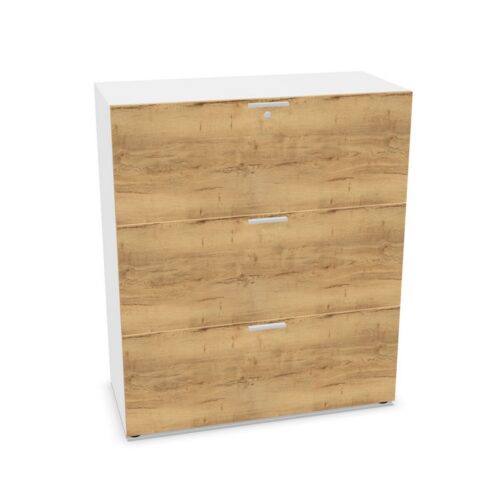
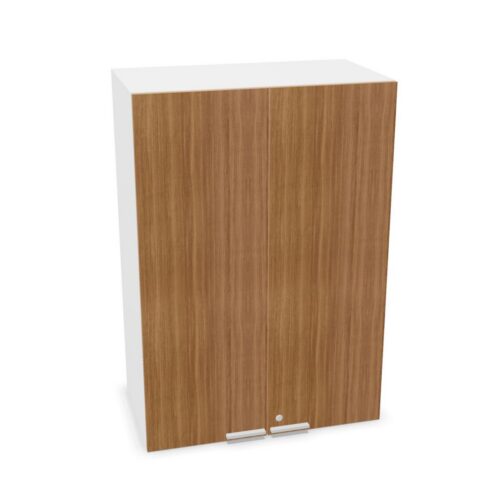
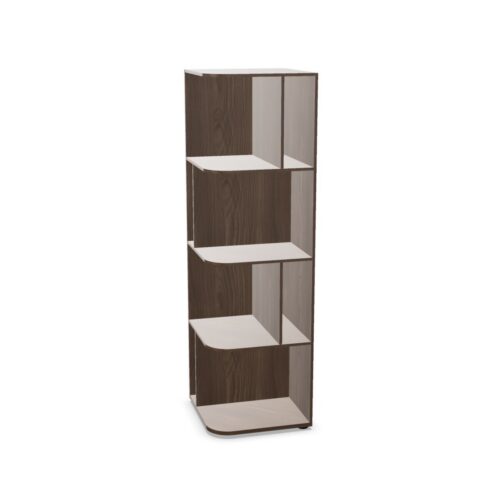
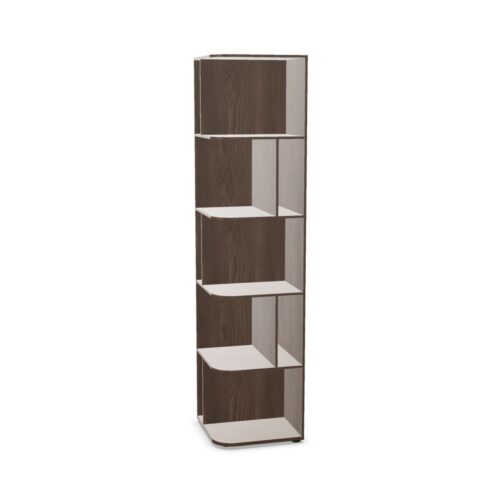
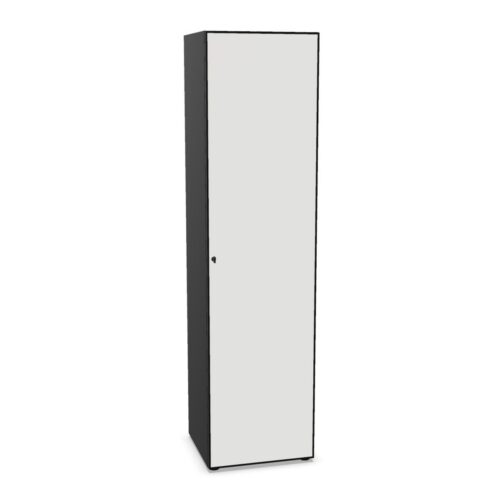
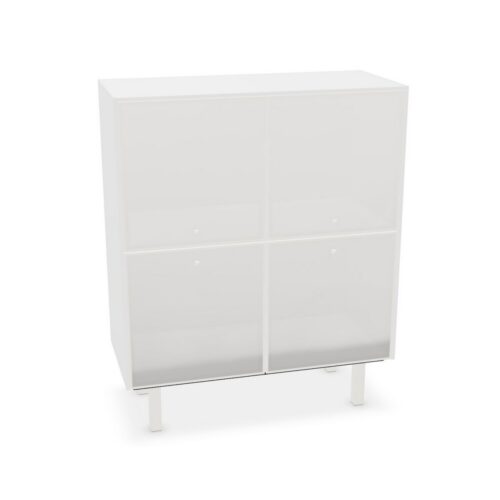
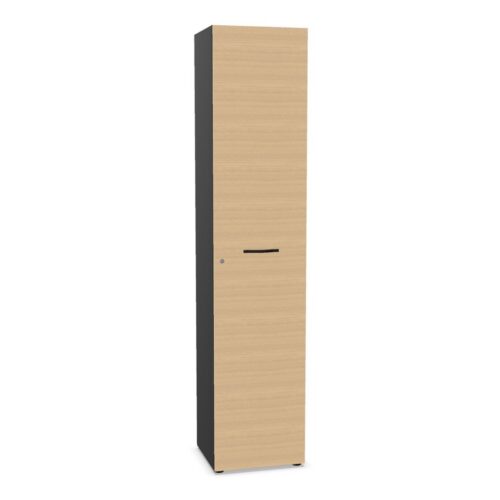
Non-Acoustic Office Cabinets

Non-acoustic office cabinets are an option when the storage brief does not call for an acoustic designation. Begin with the cabinet’s role in the workplace: identify what it will hold, who will use it and how often contents need to be reached. The acoustic classification is only one part of the selection; interior arrangement, opening style and placement still need to suit the task.

The room’s broader needs should remain part of the decision.

Focus on the cabinet’s documented characteristics and the storage task rather than assuming acoustic performance.

Review the specific product information and consider the surrounding work environment. If sound management is a separate project requirement, confirm whether the cabinet’s documented characteristics address it rather than inferring performance from this category. A careful comparison helps select non-acoustic office cabinets that suit the intended storage use.

AED 20.03 p/m
3 models
From AED 69.49 p/m
2 models
From AED 101.66 p/m
13 models
From AED 13.10 p/m
4 models
From AED 6.54 p/m
3 models
From AED 6.54 p/m
5 models
From AED 23.33 p/m
4 models
From AED 6.54 p/m
2 models
From AED 52.05 p/m
18 models
From AED 9.23 p/m
2 models
From AED 99.90 p/m
AED 68.49 p/m
2 models
From AED 27.04 p/m

Choose storage around the office brief

Start with the materials to be stored and the people who will rely on them. A cabinet for shared documents may have different requirements from a unit used for supplies or personal work items. Compare the product’s described interior arrangement with those needs, then check the opening method. The non-acoustic designation does not establish the rest of the configuration, so review each product on its own information.

Consider the room in which the cabinet will be used. If acoustic treatment is part of a wider workplace plan, treat that as a separate requirement and confirm relevant product details directly. Do not assume that a non-acoustic cabinet will address sound needs. It may still suit a storage brief where the interior layout and access are the main considerations.

Review contents, access and configuration

Think through the cabinet’s daily routine. Identify who opens it, what they need to reach and how frequently the contents are used. Review the internal arrangement, door operation and any relevant product guidance against that routine. Similar cabinet types can have different configurations, so confirm the details for the specific product before finalising the choice.

For shared storage, agree how items should be grouped and returned. A clear organisation plan can help colleagues find materials and maintain the cabinet. Decide who will be responsible for the contents and whether the unit should serve a specific group or a wider office area. This gives the cabinet a practical role beyond its acoustic category.

Plan the location to support use

Consider where the cabinet will stand in relation to desks, circulation and nearby activities. Check whether its opening method suits the space and how users will approach it. Follow the placement guidance for the product. If sound management matters in the room, review the wider acoustic plan separately and confirm product facts before making assumptions about any effect.

Compare non-acoustic office cabinets using a consistent checklist: intended contents, interior arrangement, access, location and the office’s other requirements. Keep each product-specific question visible. This makes it easier to choose storage that fits the daily work routine while keeping separate design or acoustic needs properly considered.

Some workplaces may have acoustic requirements even when the cabinet itself is not selected for an acoustic designation. In that case, consider the cabinet’s storage role separately from the measures intended to address sound in the room. Review confirmed product details and the overall workplace plan together. This avoids attributing characteristics that the product information does not establish and makes it easier for the team to decide where the cabinet belongs among other furnishings.

Where the acoustic plan is led by another requirement, coordinate the storage decision with that work so the selected furniture does not conflict with the intended room arrangement. Confirm the facts that matter for both plans.

Frequently asked questions about non-acoustic office cabinets

Does non-acoustic mean the cabinet has no effect on sound?

The category alone does not establish performance. Review product-specific information and assess acoustic requirements separately.

What should guide the storage choice?

Match the cabinet’s interior arrangement, opening style and location to the intended contents and users.

Can it be used in a room with acoustic needs?

That depends on the broader project requirements. Confirm whether the specific product fits the acoustic plan rather than inferring performance from its category.

Explore related selections