

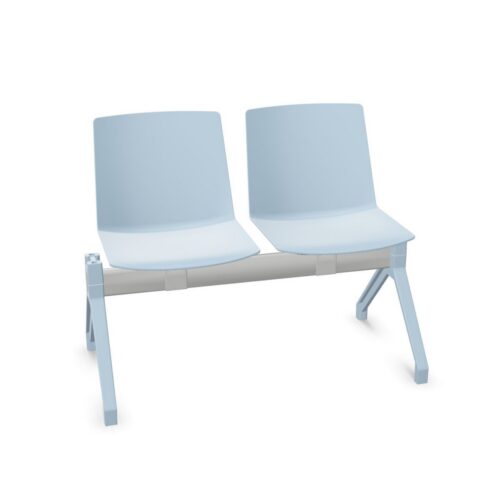
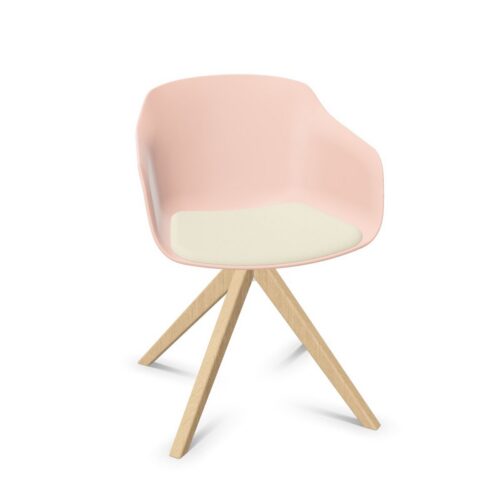
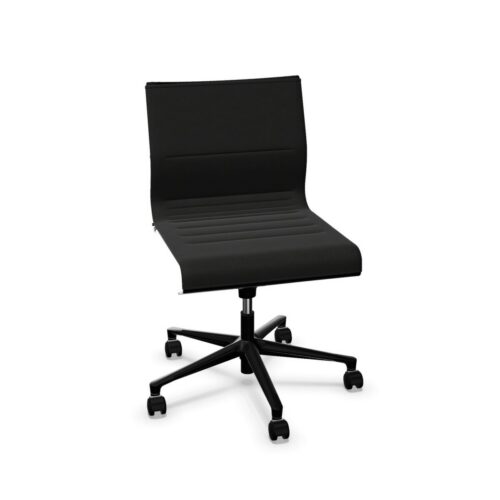
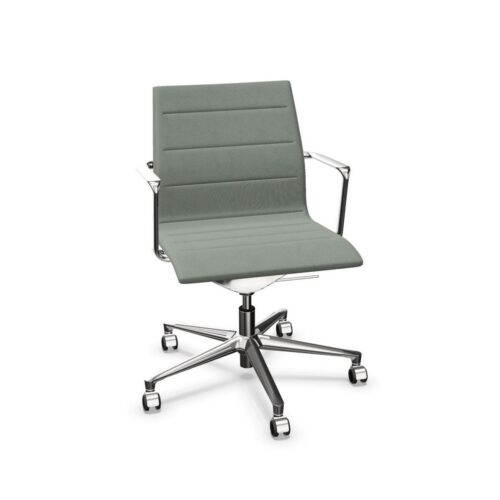
Chairs: Unspecified Standard / Without Headrest

Chairs: unspecified standard / without headrest give workplace planners a focused way to compare seating around whether the standard is specified. For interior project teams, the useful next step is to connect that detail with the room’s visual balance and the activity taking place in the room. When the team plans chairs: unspecified standard / without headrest, use the practical needs of different users as a practical test and note how whether the standard is specified and the absence of a headrest influence the decision.

For a conference suite project, keep whether the standard is specified visible in the brief and check whether the absence of a headrest works with the number of users who share the space. A workplace review starts with use. Procurement leads can assess the absence of a headrest, consider whether the standard is specified, and verify access to the seating position before arranging seats. When workshops takes place, the ease of rearranging the room can show whether whether the standard is specified and the absence of a headrest fit the intended seating plan.

10 models
From AED 42.48 p/m
10 models
From AED 105.86 p/m
5 models
From AED 41.39 p/m
5 models
From AED 14.70 p/m
7 models
From AED 93.93 p/m
2 models
From AED 40.04 p/m
2 models
From AED 44.24 p/m
2 models
From AED 36.94 p/m
4 models
From AED 181.57 p/m
8 models
From AED 52.21 p/m
14 models
From AED 118.45 p/m
11 models
From AED 137.41 p/m
17 models
From AED 38.95 p/m
28 models
From AED 112.32 p/m
35 models
From AED 91.68 p/m
79 models
From AED 129.27 p/m
2 models
From AED 93.77 p/m
2 models
From AED 135.24 p/m
3 models
From AED 92.25 p/m
2 models
From AED 62.03 p/m
5 models
From AED 29.72 p/m
2 models
From AED 64.64 p/m
6 models
From AED 11.83 p/m
4 models
From AED 55.90 p/m
3 models
From AED 45.84 p/m

Planning a useful workplace layout

Before planning visitor conversations in a presentation space, weigh the absence of a headrest against whether the standard is specified; the level of support expected during a session provides a practical test. For team coordinators planning a staff dining area, relate the absence of a headrest to whether the standard is specified and then check the number of users who share the space against shared meals.

Fit the chairs to the room’s purpose

Before planning informal conversations in a visitor room, weigh whether the standard is specified against the absence of a headrest; clearance behind each chair provides a practical test. For the planned short check-ins, check the chair’s relationship with how the selected material fits the upkeep routine; include whether the standard is specified and the absence of a headrest in the same review.

Planning around daily seating needs

For planned reviews seating, begin with circulation and table placement; then confirm how the absence of a headrest and whether the standard is specified affect the plan. For interviews, the chair needs to fit its setting. Assess the absence of a headrest, account for whether the standard is specified, and review the amount of space left for circulation.

A closer look at the selected details

When staff arranging a new workspace review chairs: unspecified standard / without headrest, they can start from the absence of a headrest, consider whether the standard is specified, and test both against seat-to-table relationship before settling a room arrangement. A workplace brief becomes clearer when people responsible for shared seating document the room’s existing palette, choose a relevant chair detail such as the absence of a headrest, and connect it with whether the standard is specified.

Questions about chairs: unspecified standard / without headrest

What should I check before choosing chairs: unspecified standard / without headrest?

When workshops takes place, the relationship between colour and adjacent finishes can show whether whether the standard is specified and the absence of a headrest fit the intended seating plan. For a conference suite, people responsible for shared seating can begin with the absence of a headrest, then test whether the standard is specified against the path between seating rows during shared meals.

What matters most when planning quiet individual tasks seating?

If a space alternates between short check-ins and training sessions, check that the absence of a headrest and whether the standard is specified still serve the circulation plan and user expectations. Before approving chairs for a visitor room, compare the absence of a headrest and whether the standard is specified with the furniture plan, the user group, and the expected pattern of quiet individual tasks.

How do I plan circulation around the chairs?

For teams planning workshops, the absence of a headrest may answer one requirement while whether the standard is specified addresses another; the room layout shows whether both are relevant. A workplace brief becomes clearer when team coordinators document aisle clearance, choose a relevant chair detail such as the absence of a headrest, and connect it with whether the standard is specified.

Questions to settle before selection

The seating brief for a collaborative workspace should explain how the absence of a headrest and whether the standard is specified relate to storage between sessions. The room brief for a staff dining area can record the absence of a headrest, whether the standard is specified, and table alignment together, giving the project team a concrete basis for comparison.

Explore related selections