


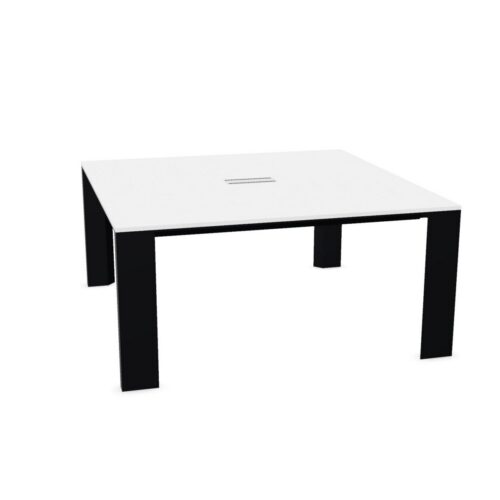

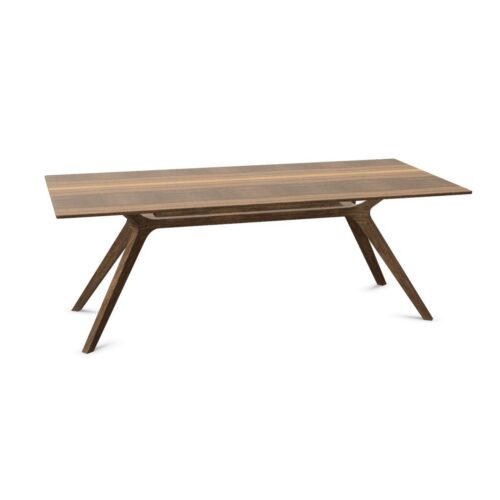
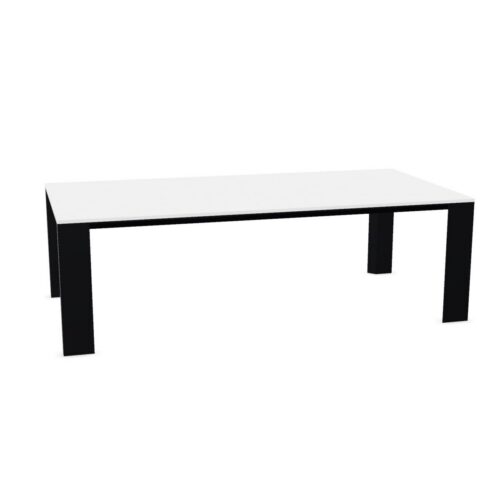


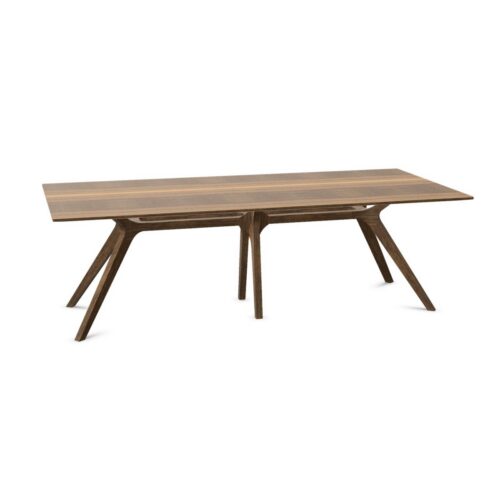


Conference Tables With Oak Tops and Cable Trays
Consider what belongs permanently in the room and what participants bring with them. Shared presentation equipment may use a consistent connection route, while personal devices require a different routine. Establish the intended position of each before deciding how the tray will be used within the wider room arrangement.
Follow each route from the device to its connection point, including the sections outside the tray. The route still needs to reach the room outlet without complicating access to the table. Assess that full path alongside the seating plan instead of treating the tray as a complete connection system on its own.
Coordinate Oak With the Occupied Room
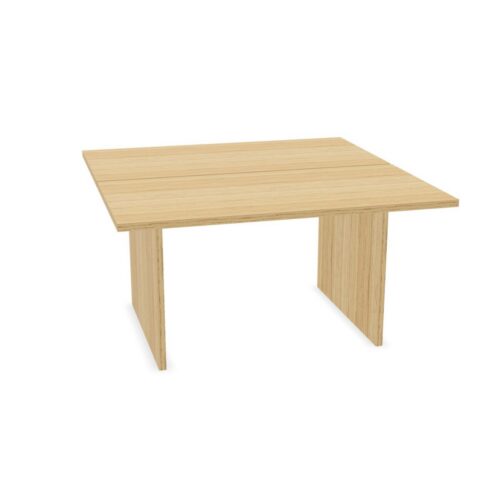
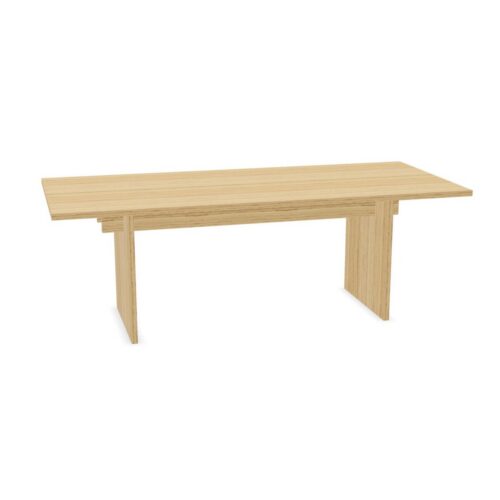
Review the actual tabletop surface beside the chairs, storage and wall finishes. Oak identifies the material without specifying its color or finish. Decide whether the table should visually connect with existing furniture or provide a deliberate change, using the surfaces themselves as the basis for that decision.
Then picture a working meeting rather than an empty room. Documents, laptops and shared controls will become part of the tabletop view. Their positions should support the discussion while relating sensibly to the cable route, so the visual choice and the equipment arrangement can be judged together.
