

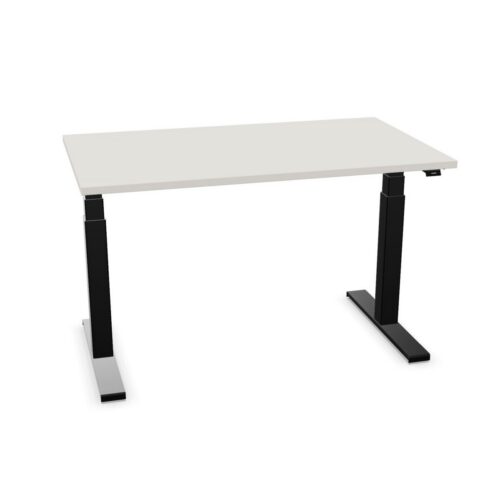
Desks with a corner tabletop and a plastic base

This selection of desks with a corner tabletop and a plastic base gives office planners a defined basis for comparing desk listings. If a client-facing office is shared, ask different users to review the floor layout. Their feedback can clarify how the plastic base material relates to everyday work. Record how the corner tabletop shape relates to the workplace brief.

When the planned room has several uses, consider whether the corner tabletop shape and the plastic base material remain relevant across individual research and quiet administrative work. A desk shortlist for a collaborative zone should explain why the plastic base material matters, how the corner tabletop shape changes the selected specification and what requires review around the planned room’s visual balance. If the daily activity pattern changes, revisit the project desk brief and check whether the plastic base material, the corner tabletop shape and how people enter and leave still match the office.

5 models
From AED 45.39 p/m

Checking the wider furniture scheme

Because a new office fit-out can support paperwork as well as individual research, assess the corner tabletop shape beside the plastic base material while keeping the relationship with nearby storage in view. The office desk area should remain easy to navigate. Review movement of people across the planned room, then check whether the filtered range belongs in the proposed arrangement. Keep the corner tabletop shape and the plastic base material together in the desk requirements. For collaborative planning workstations, begin with access around the desks and positioning of equipment; then confirm how the plastic base material and the corner tabletop shape affect the proposed plan. Review the plastic base material and the corner tabletop shape together, while keeping routes between work areas and the relationship with adjacent furniture visible throughout the selection process.

Reviewing the fit-out requirements

Start by examining the expected work. design teams can assess the plastic base material, consider the corner tabletop shape and verify how a user approaches the office desk before arranging desks. A furniture plan for informal discussions in an open-plan workplace should make the relationship between the corner tabletop shape and the plastic base material clear, while leaving the arrangement of adjacent furniture open for review. When a multi-purpose room is shared, facilities teams should review the corner tabletop shape, ask who relies on the plastic base material and check the access route. Before the current workstation option is added to the schedule, confirm the listed configuration and relate it to the corner tabletop shape, the planned furniture plan and room access. Check the plastic base material against the intended use.

Planning for everyday office tasks

A workplace review can link the plastic base material with the needs of people sharing the area; considering the corner tabletop shape at the same time maintains the choice grounded in work routines. Before setting up paperwork in a focused work area, weigh the corner tabletop shape against the plastic base material; the arrangement of adjacent furniture provides a way to review the intended workstation. A flexible workplace may host paperwork one day and team briefings the next, so assess how the filtered range fits ordinary changes in use. Assess the corner tabletop shape alongside the plastic base material before confirming the choice. For a private office, team coordinators can begin with the corner tabletop shape, then test the plastic base material against the floor layout at normal occupancy while planning changing work routines.

Building a practical comparison

During short team check-ins, the office desk needs to suit the planned work as well as the room layout. Check the corner tabletop shape alongside the plastic base material before settling on the current workstation option. People arranging an open-plan workplace should map the activity first, then decide how the plastic base material and the corner tabletop shape contribute to the workplace brief. Start the comparison with the plastic base material. Then review the corner tabletop shape and make sure the relationship with nearby storage is covered in the a flexible workspace plan. Use the proposed room layout to compare the plastic base material and the corner tabletop shape; that gives workplace coordinators a practical basis for discussing storage beside the planned workstation.

Frequently asked questions

How do these workstation details relate to regular office work?

Begin with the corner tabletop outline; then decide how the plastic support material fits the proposed arrangement for reconfigured spaces. For a collaborative zone project, keep the plastic support material visible in the project requirements and check whether the corner tabletop outline works with the position of screens. When a team shares a planning area, work routines may differ. Use the selected desk configuration as a starting point and check the proposed plan with more than one user in mind. Assess the corner tabletop outline alongside the plastic support material before confirming the choice.

How can desks with a corner tabletop and a plastic base be reviewed in the proposed layout?

Assess the corner tabletop outline against shared equipment, while keeping the plastic support material visible in the furniture project requirements. Before the listed configuration is added to the schedule, confirm the listed configuration and relate it to the plastic support material, the surrounding furniture plan and room access. Record how the corner tabletop outline relates to the project requirements. People entering a compact work area notice more tha desk surface; relate the plastic support material and the corner tabletop outline to the relationship with storage and surrounding pieces before completing the furniture plan.

How should the corner tabletop shape be considered when planning desks with a corner tabletop and a plastic base?

These desk details are most useful when checked against seating positions in the proposed work area. Set out the purpose of a busy team space, then assess the corner tabletop outline and the plastic support material against the day-to-day demands of shared office tasks. When design teams assess an open-plan workplace, they can record the plastic support material and the corner tabletop outline beside the requirements for quiet administrative work.

Explore related selections