




Build the fitting sequence around the user
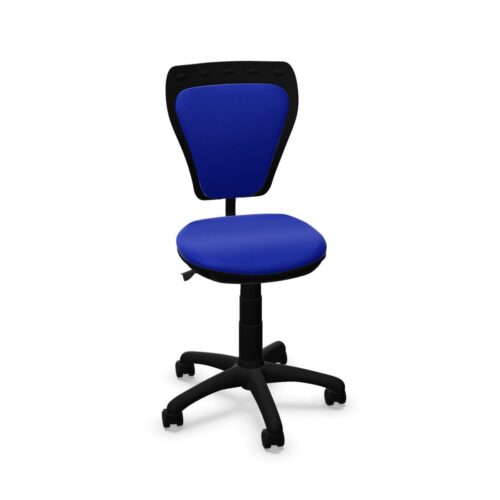
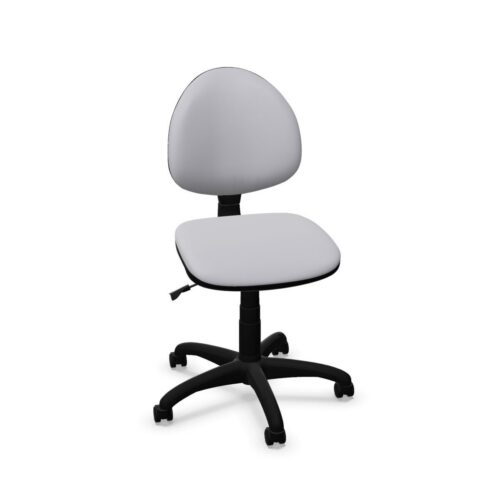
When introducing steel base office chairs with height-adjustable backrests, begin with the person's ordinary seated posture. Establish a suitable relationship with the desk and floor using the adjustments actually available. Then move the backrest through its permitted height settings and ask the user to identify useful contact. Avoid prescribing a single position for the whole team. Different torso proportions can lead colleagues to prefer different settings, even at similar desks. Once a position is chosen, ask the person to type, read and reach for frequently used items before deciding whether the setup works for their tasks.
Confirm what the steel base contributes
Steel is the specified base material, but the construction of the complete assembly still needs examination. Check dimensions, the stated load capacity and the components that contact the floor. A steel base does not by itself establish a particular weight, finish or level of performance. If users reposition their seating frequently, assess that movement in the actual room. Include nearby desk supports, storage fronts and the space behind occupied workstations. Office chairs need enough practical access for the intended activity, and that judgement depends on the base shape and layout as well as the material used.
