

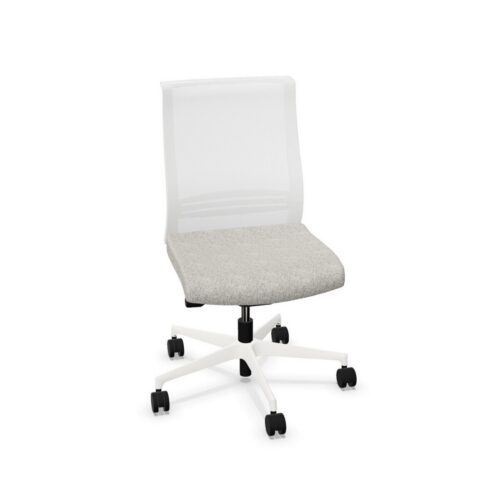
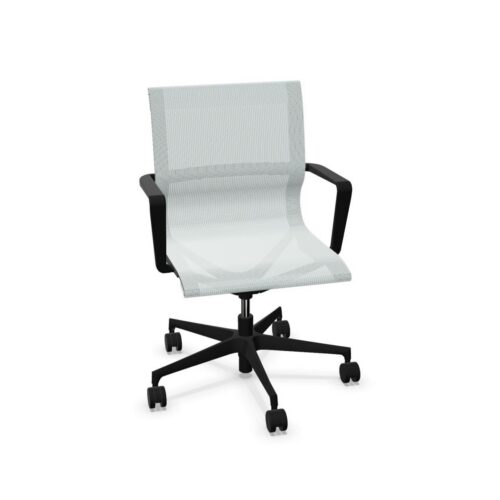
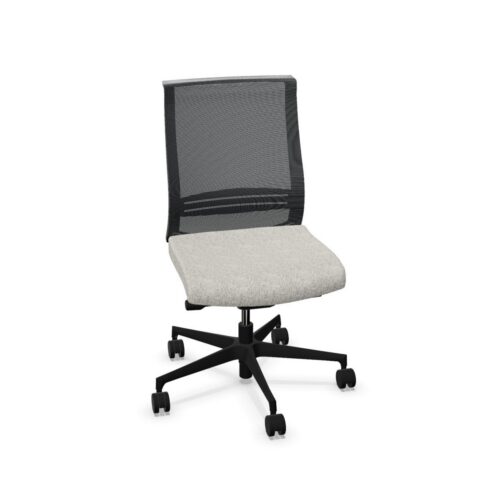
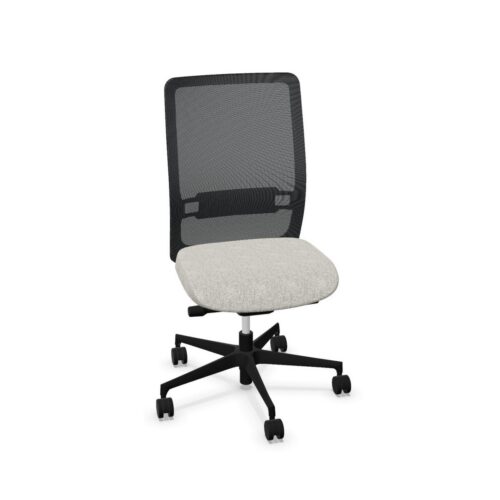
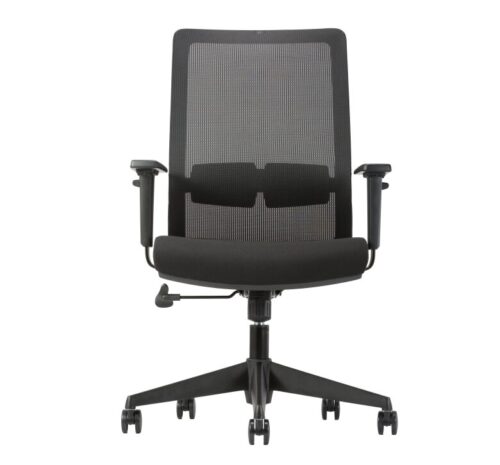
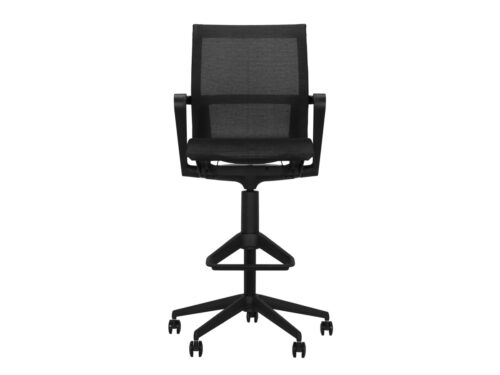
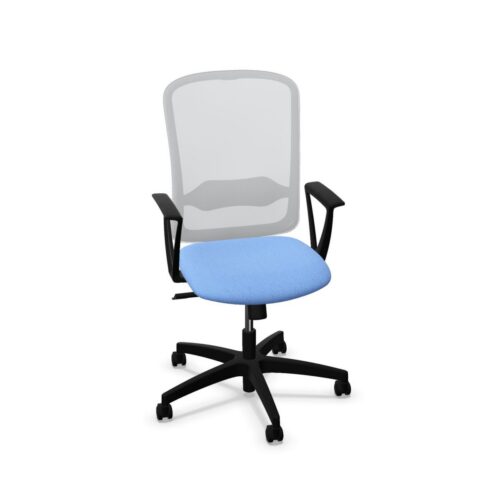
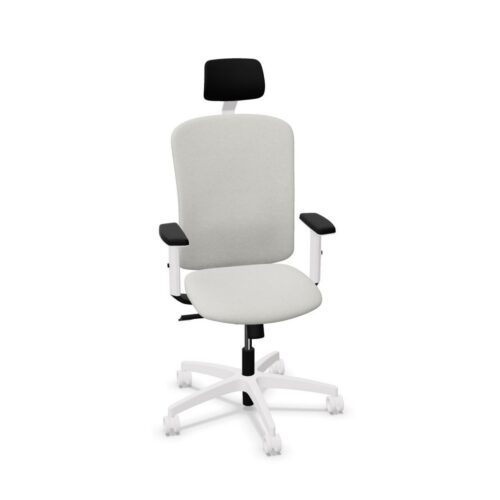
Mesh Office Chairs With Plastic Bases

Mesh office chairs with plastic bases deserve a comparison built around the office’s daily routines. Who changes the settings, how the chair fits beneath the desk and how surfaces are maintained all matter alongside the material combination. Mesh identifies the upholstery material and plastic identifies the base material; neither establishes adjustment functions, mesh coverage or a user limit. Start with a clear account of the intended work, then check the actual chair against the people and spaces involved in that work.

Shared desks can make the assessment especially practical. Ask different users to locate the controls, establish their working positions and move through ordinary tasks. Inspect the mesh areas and base at the same time, noting any construction details that need clarification. Office chairs should be compared on confirmed dimensions and functions, with separate questions about care and floor contact. This approach gives an office manager a useful record of how the materials fit into the broader seating requirement without assuming performance from their names alone.

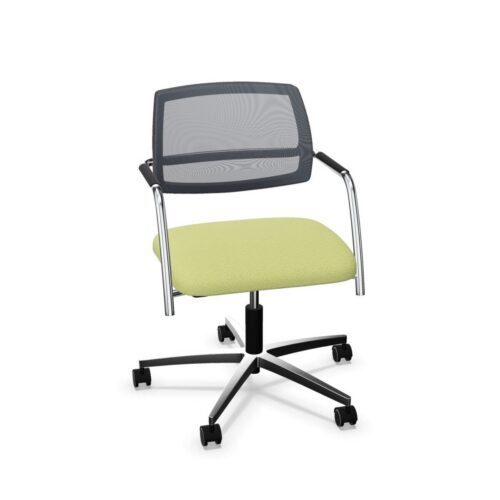
10 models
From AED 42.72 p/m
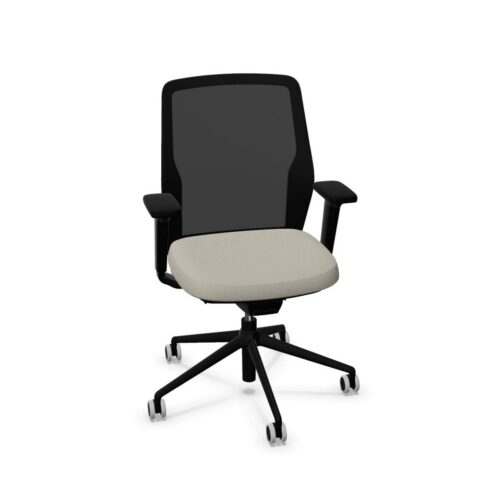
9 models
From AED 42.72 p/m
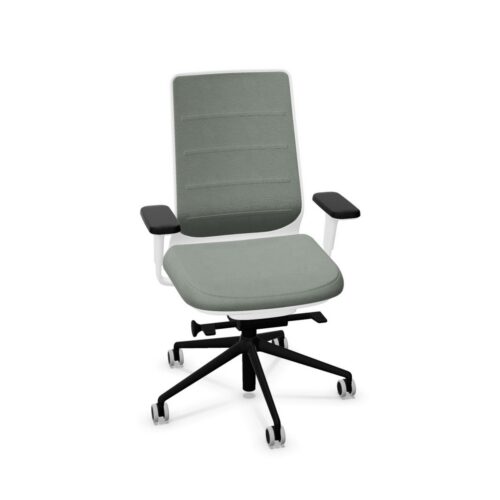
AED 18.49 p/m
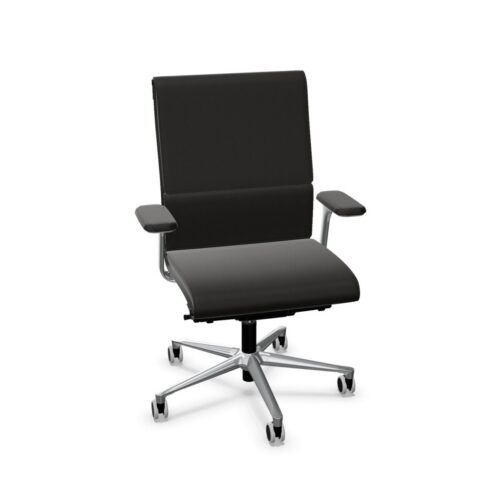
AED 37.06 p/m
10 models
From AED 30.73 p/m
13 models
From AED 21.53 p/m
5 models
From AED 43.56 p/m
5 models
From AED 48.73 p/m
3 models
From AED 53.63 p/m
2 models
From AED 69.25 p/m
6 models
From AED 40.45 p/m
18 models
From AED 65.19 p/m
3 models
From AED 69.41 p/m
4 models
From AED 57.09 p/m
2 models
From AED 70.60 p/m
5 models
From AED 29.89 p/m
4 models
From AED 56.23 p/m

Follow the change between shared users

Begin a trial of mesh office chairs with plastic bases by observing how a second user approaches the previous person's setup. Ask them to identify available controls and establish a suitable position at the desk. Check each stated adjustment rather than assuming that a familiar appearance means familiar operation. Record the dimensions and functions relevant to the people sharing the space. The upholstery and base materials do not establish the chair's adjustment range or its suitability for every user. This practical sequence helps the office team assess the complete seating arrangement through an ordinary event in a shared workspace.

Check mesh coverage and contact areas

Inspect the actual seat, backrest and surrounding components to establish where mesh is used. The upholstery description does not confirm that every contact surface uses the same material or construction. Ask users to assess their sitting positions during normal tasks and record observations about the particular chair. Keep these notes separate from assumptions about mesh in general. Office chairs can share an upholstery category while differing in dimensions, support features and available adjustments. Request further information where any of these characteristics matters to the brief, and use a consistent inspection process so that alternatives can be compared fairly together.

Fit the plastic base into the room

Compare the footprint of mesh office chairs with plastic bases against desk supports, storage units and nearby workstations. Check the floor contact provided and confirm its suitability for the intended surface. Plastic identifies the base material, but it does not establish capacity, movement characteristics or the precise construction of the complete chair. Review stated limits and relevant documentation separately. During the trial, observe users sitting down, approaching the desk and moving away again. Include ordinary equipment and furniture in the arrangement so the assessment reflects the space people actually use throughout the working day in the office being planned.

Give maintenance a clear operating plan

Obtain the applicable instructions for cleaning the mesh, surrounding components and plastic base. Different surfaces may require different methods, so the care plan should follow the guidance for the actual chair. Check how routine marks, dust and spills will be addressed and who will have access to the instructions. During inspection, consider which areas staff can reach and whether the proposed routine accounts for the complete construction. Keep care guidance alongside fitting notes and documented specifications. This allows the office manager to compare ongoing maintenance needs with functional suitability and the way responsibilities are organised within the working environment.

Questions for shared workspace planning

Does plastic mean the chair is lightweight?

The base material alone does not establish the weight of the complete chair. Request the stated weight if handling is relevant to the office routine. Assess any movement requirement using the actual chair, its floor contact and the intended surface.

Can mesh chairs use one cleaning method?

A common upholstery description does not guarantee identical care requirements. Follow the instructions for the particular mesh and surrounding components. Confirm the base guidance separately, then give the maintenance team a clear record of the approved methods for each surface.

What should decide between similar options?

Compare mesh office chairs with plastic bases against the same user and workstation brief. Document adjustment functions, dimensions, construction, floor contact and care requirements, then add trial observations so the final choice reflects the intended working arrangement and shared seating routines.

Explore related selections