

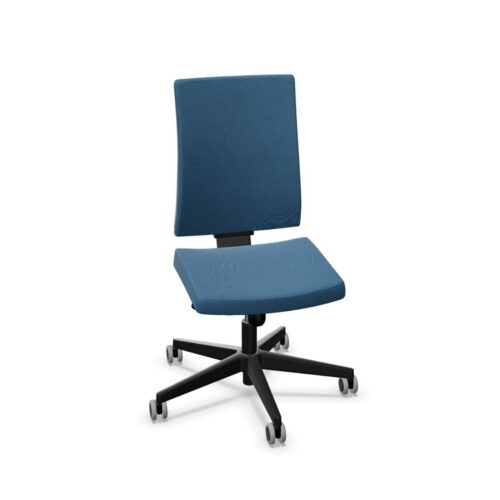
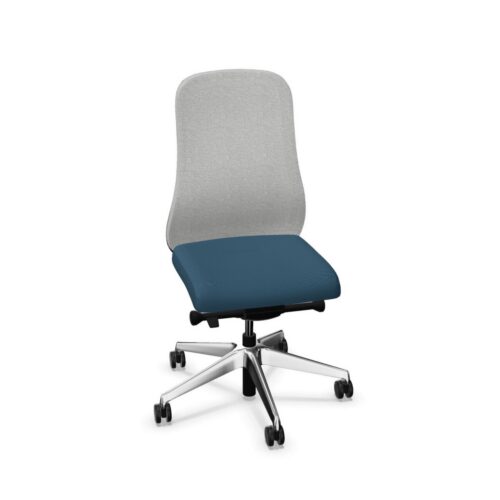
Lumbar-Support Office Chairs Without Back-Height Adjustment

Lumbar-support office chairs without back-height adjustment require close attention to the existing vertical relationship between the user and backrest. Lumbar support is present, but the backrest height cannot be adjusted. That makes a seated assessment important for understanding where contact occurs in the actual working position. It does not establish that the lumbar support itself is fixed, or that other chair functions are absent; those characteristics need separate confirmation before the seating brief is complete for its intended users and activities.

An office manager comparing lumbar-support office chairs without back-height adjustment should bring the trial to the intended workstation. Ask the user to sit back, approach the work surface and perform a familiar task. Note the support position and whether normal reaching changes backrest contact. Confirm the available seat and support controls individually. The useful comparison is between complete sitting arrangements, with the existing backrest height considered alongside user dimensions, desk geometry and the adjustments that are actually available on each chair.

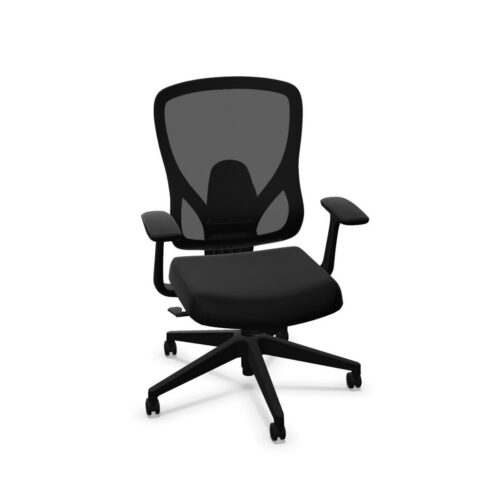
2 models
From AED 62.91 p/m
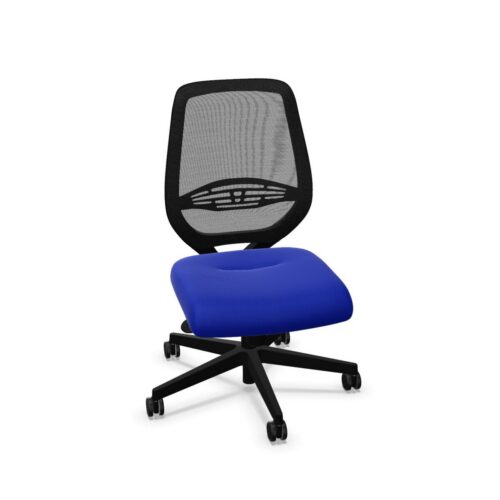
9 models
From AED 42.72 p/m
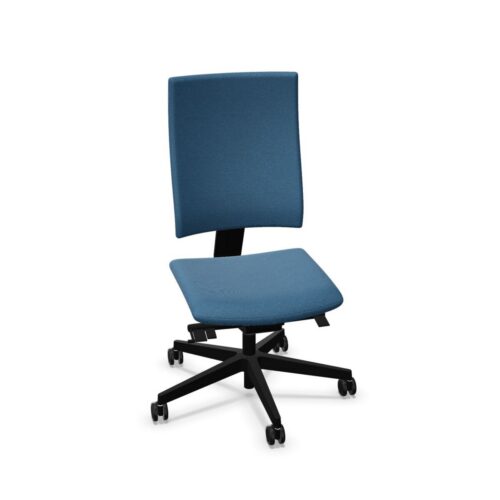
13 models
From AED 21.53 p/m
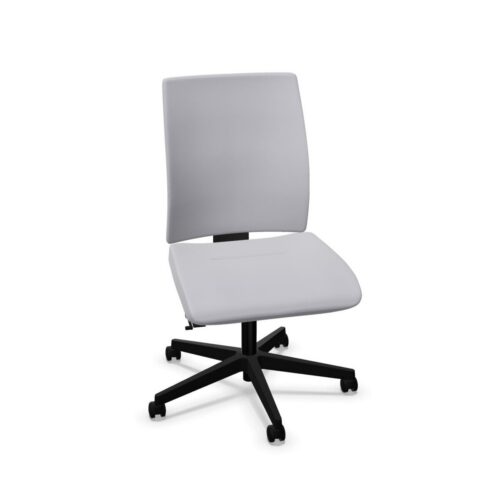
2 models
From AED 188.64 p/m
18 models
From AED 65.19 p/m
3 models
From AED 69.41 p/m
4 models
From AED 57.09 p/m
2 models
From AED 70.60 p/m
5 models
From AED 29.89 p/m
2 models
From AED 65.03 p/m
6 models
From AED 44.07 p/m
2 models
From AED 27.70 p/m
8 models
From AED 26.26 p/m
3 models
From AED 26.85 p/m
4 models
From AED 33.60 p/m
2 models
From AED 20.68 p/m
4 models
From AED 68.90 p/m
3 models
From AED 46.10 p/m
10 models
From AED 44.92 p/m
17 models
From AED 41.04 p/m
2 models
From AED 44.59 p/m

Review the Existing Vertical Fit

Backrest height remains unchanged, so begin by assessing its position relative to the person seated in the chair. Confirm relevant dimensions and examine where the backrest contacts the body. Avoid treating a general height measurement as a complete description of support; the shape and position of contact also need direct assessment.

Ask users to describe their sitting position during an ordinary activity. Note whether they remain against the backrest or move away to reach equipment. These observations help explain how the existing backrest arrangement works in practice and whether a finding relates to the chair, the person or the surrounding workstation.

Clarify How the Lumbar Support Is Configured

Lumbar-support office chairs without back-height adjustment can only be compared accurately when the support arrangement is understood. Its presence does not establish independent height or depth adjustment. Confirm any such controls directly before discussing the amount of personal positioning available to users.

Evaluate the support in the position used for work, rather than relying on a visual inspection of the empty chair. If separate support adjustment is confirmed, test it on its own terms and record the result. Keep that assessment distinct from backrest height, which cannot be changed through a height control in this combination.

Use Individual Assessments for Assigned Workstations

For seating assigned to one person, focus on that person's desk, equipment and duties. Ask them to repeat the activities that occupy their seated time and explain any change in back contact. A familiar work sequence gives feedback a more useful context than an unstructured trial away from the desk.

When office chairs will be shared, broaden the assessment to representative users. The fixed backrest height may relate differently to each person, so retain individual observations. Compare the same tasks and workstation conditions wherever possible, and identify which additional verified settings were used before interpreting differences in the reported sitting experience.

Separate Backrest Limits From Desk Constraints

A person may lean forward because of equipment position or limited desk access rather than the backrest alone. Check the surrounding furniture and frequently used items before attributing every observation to support placement. Record any obstruction that affects how closely the chair can approach the work surface.

When reviewing lumbar-support office chairs without back-height adjustment, use an assessment sheet that distinguishes confirmed functions, measurements and user feedback. Include unresolved questions about independent support controls or other adjustments. This gives the office manager a clear comparison without implying that a change elsewhere in the workstation will necessarily resolve a mismatch in the existing backrest arrangement.

FAQ: Lumbar Support With Fixed Backrest Height

Is the lumbar support also fixed?

That is not established. Backrest-height adjustment is absent, but lumbar support is a separate feature whose configuration requires confirmation. Check for any independent controls and review how they operate before describing the available support positions to intended users or preparing workplace setup guidance.

Can seat adjustment replace backrest-height adjustment?

Do not treat the functions as interchangeable. Any confirmed seat adjustment changes its own aspect of the sitting arrangement. Assess the resulting position at the desk and review backrest contact again, rather than assuming that another control recreates vertical backrest movement.

What makes a useful sitting trial?

Use the actual workstation and a representative task. Office chairs should be assessed for support contact, desk approach and equipment reach together. Record the person's settings and observations so that the existing backrest height can be considered within the complete working arrangement.

Explore related selections