

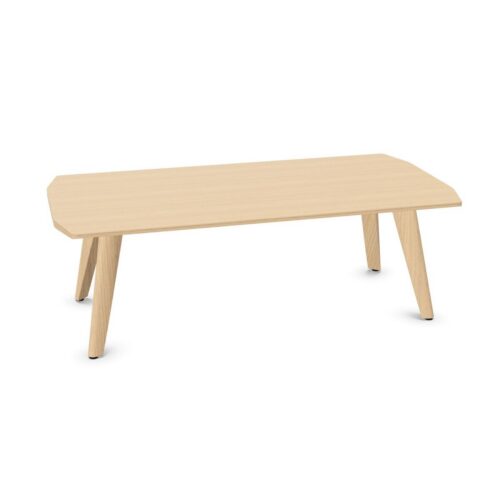
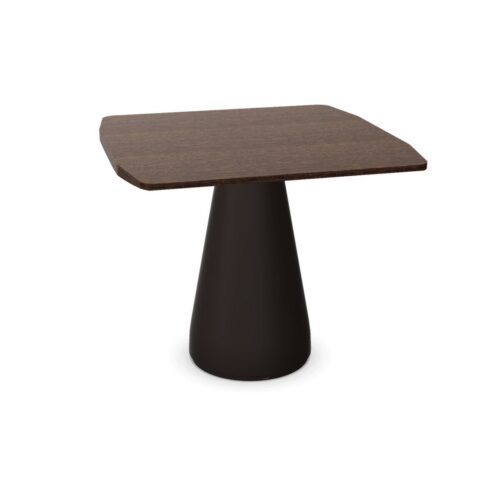
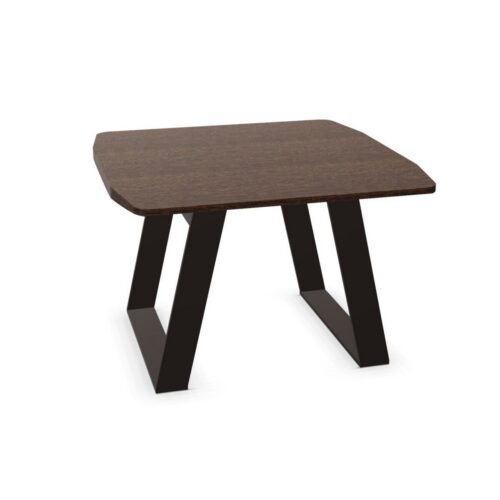
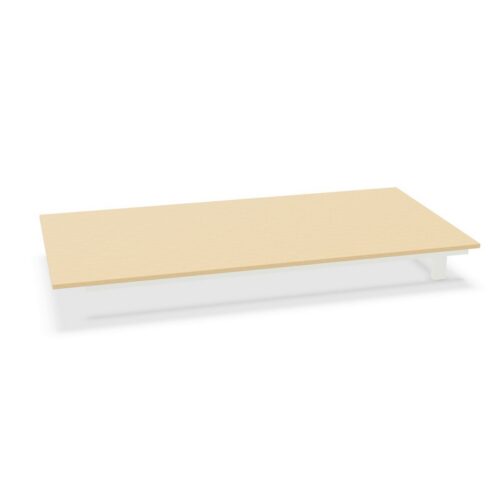
Wood Surfaces for Lounge Furniture

wood surfaces for lounge furniture introduce a wood-colored visual reference into reception areas, informal meeting spaces, and shared lounges. The planning challenge is to relate that appearance to the elements already present. A close color relationship can connect furniture with its surroundings, while a deliberate difference can give each element its own place. Start by deciding which relationship the room needs, especially where several wood-colored features are visible from the same position.

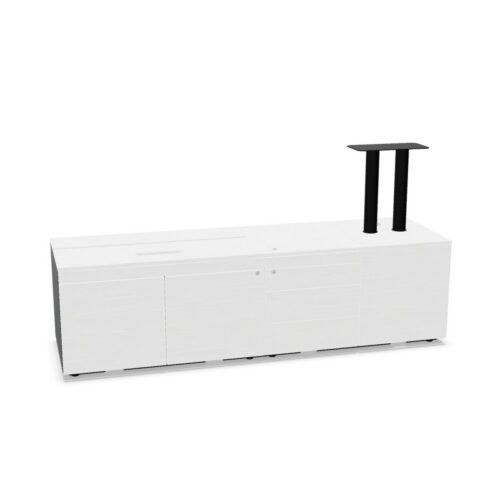
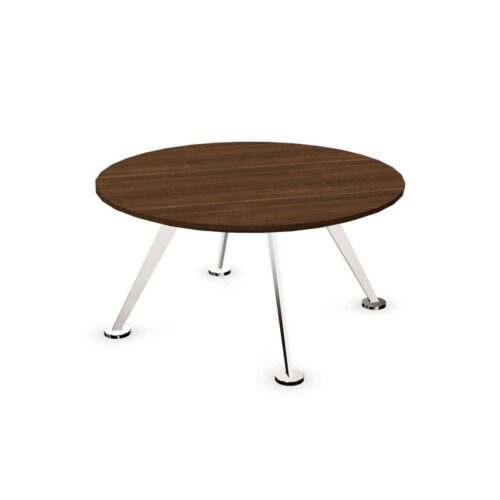
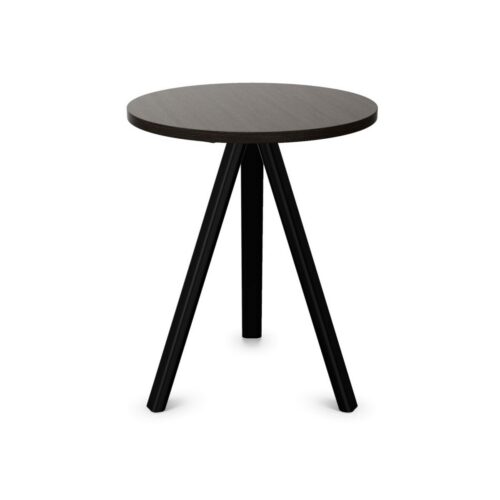
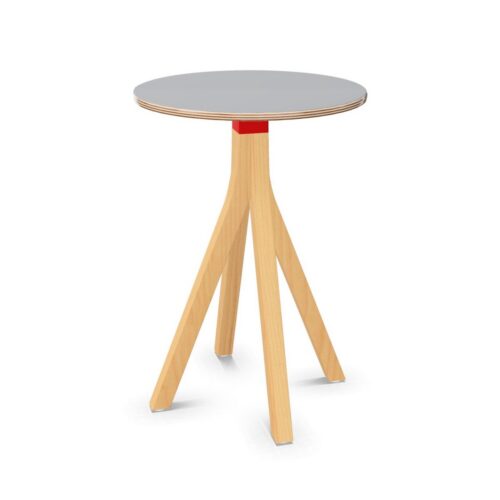
Assess wood surfaces for lounge furniture through their actual appearance rather than assuming that the word wood describes the underlying material. Compare the visible tone, any pattern, and the extent of the surface within the complete arrangement. These details influence how strongly the furniture participates in the room’s palette. A clear visual brief also helps distinguish an intentional variation from a near match that does not quite align with the surrounding scheme.

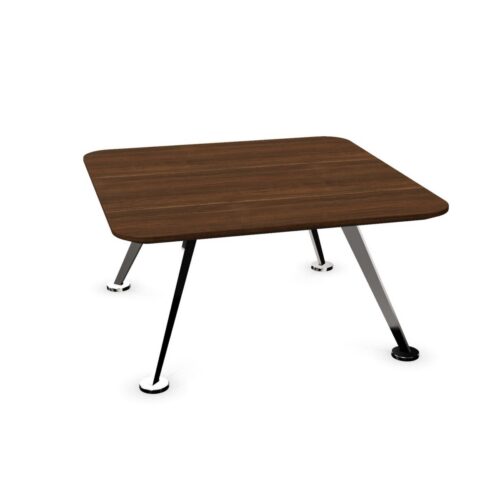
2 models
From AED 106.23 p/m
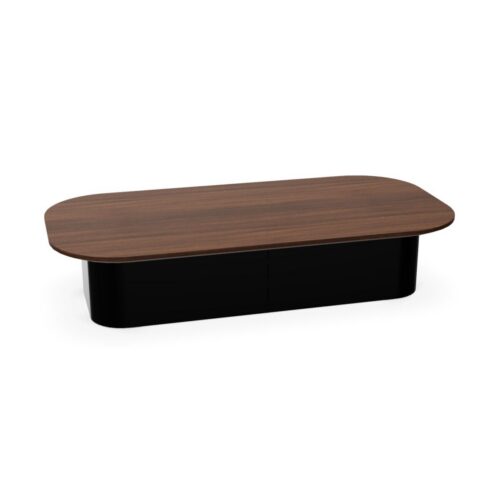
2 models
From AED 49.45 p/m
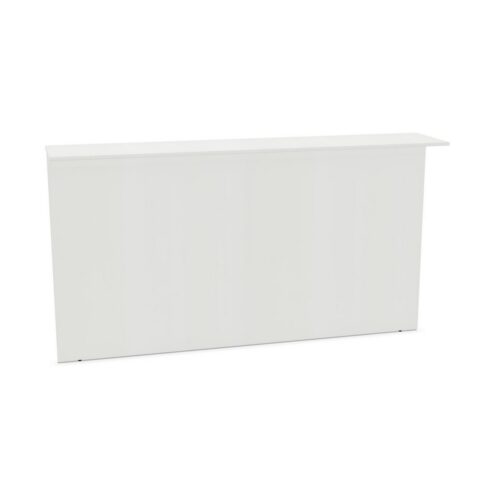
AED 388.93 p/m
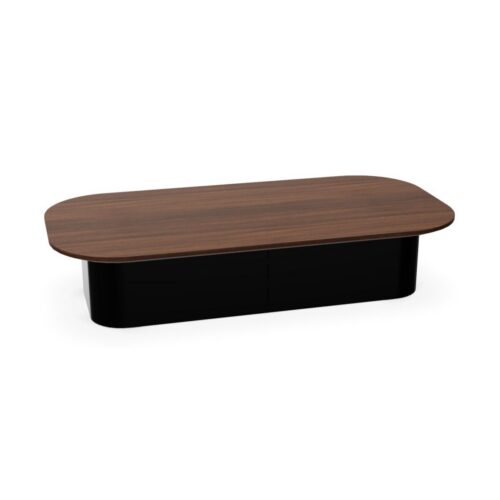
4 models
From AED 146.37 p/m
3 models
From AED 77.41 p/m
AED 88.23 p/m
2 models
From AED 31.45 p/m
7 models
From AED 72.75 p/m
AED 38.19 p/m
2 models
From AED 411.50 p/m
AED 91.10 p/m
7 models
From AED 21.30 p/m
2 models
From AED 34.13 p/m
3 models
From AED 87.29 p/m
2 models
From AED 13.94 p/m

Coordinating Wood Surfaces for Lounge Furniture

Take the room's existing color relationships as the starting point. Identify the wood-colored elements that will remain visible, including those beyond the lounge itself. Decide which is the main reference and which can differ. This prevents every new furniture decision from becoming a separate attempt to match a different nearby feature. Where a reception area opens onto another shared space, review the transition between them as one composition. The lounge can carry through an established tone or introduce a clear change, but that choice should be understandable from the principal views used by visitors and staff moving through the space.

Separate Color From Material Decisions

A wood-colored appearance does not by itself establish a surface's material. Keep that distinction clear when comparing wood surfaces for lounge furniture. First assess whether the visible color and pattern fit the intended room scheme. Then confirm the actual construction and relevant care information separately. This approach keeps an appearance preference from becoming an unsupported assumption about the furniture. It also makes discussions within a project team more precise: one person may be describing color, while another means a particular material. Record those requirements independently so that visual approval and practical approval each have a clear basis for the final decision.

Decide Between Matching and Contrast

For wood surfaces for lounge furniture, an exact-looking match and a deliberate contrast require different evaluation. A matching approach needs close comparison with the main reference under the same lighting. A contrasting approach needs enough distinction to make the difference appear intentional. Pay attention to whether colors seem warmer or cooler beside one another, and to the prominence of any visible pattern. Assess the complete grouping rather than a small area in isolation. The furniture may look coordinated from one seat yet appear disconnected from the entrance, especially when a larger existing feature fills much of the background behind it.

Review Pattern Across the Arrangement

Where a visible pattern is present, consider its relationship with neighboring surfaces and the direction of the furniture layout. Pattern does not need to align everywhere, but the overall composition should have a clear logic. Wood surfaces for lounge furniture can become visually prominent when several patterned areas are seen together. Review those areas alongside quieter parts of the room before adding further repetition. Use the main arrival view and the seated view as separate checks. This is particularly helpful when furniture is grouped at different angles, because each orientation can change which surface becomes the strongest visual reference in the lounge.

FAQ

Does a wood-colored surface establish its material?

No. Treat color and material as separate decisions. Wood surfaces for lounge furniture should be assessed for their visible appearance, with the actual material and appropriate care confirmed independently for the furniture being considered.

Should lounge furniture match nearby wood-colored features?

A close match can create continuity, while a clear difference can establish a separate lounge identity. Choose the intended relationship first, then compare the colors together. Avoid relying on separate recollections of how each surface looks.

What if existing wood tones already differ?

Choose one main reference for the lounge instead of attempting to match everything. Review the complete view and decide which existing differences can remain secondary. The new arrangement should clarify the palette rather than introduce another unrelated tone.

Explore related selections