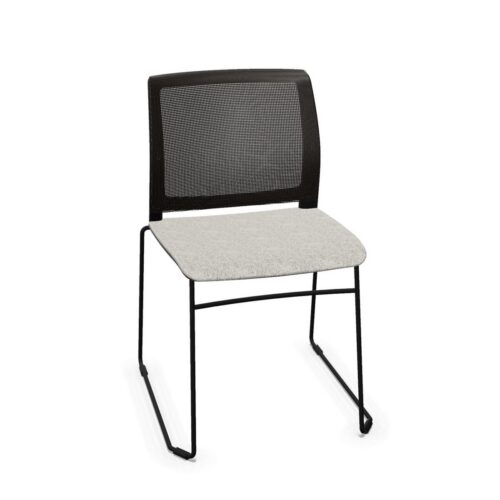
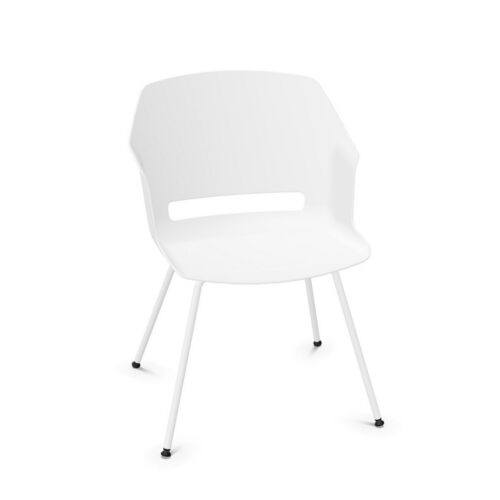
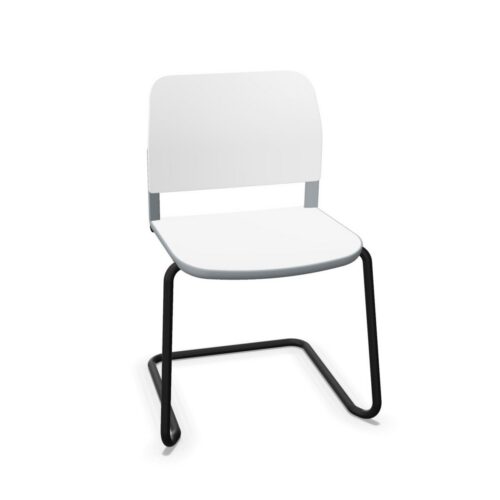
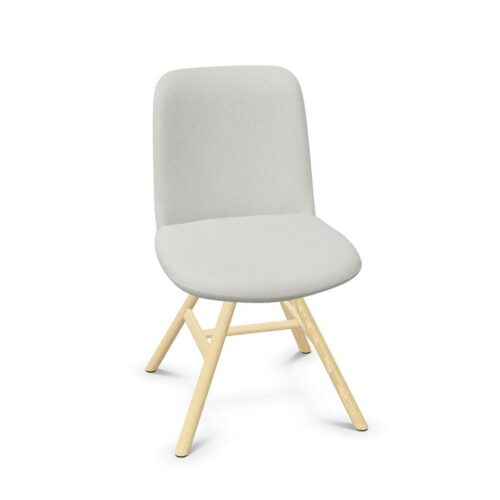
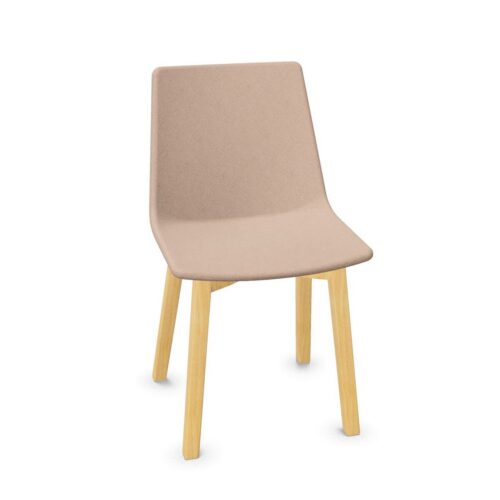
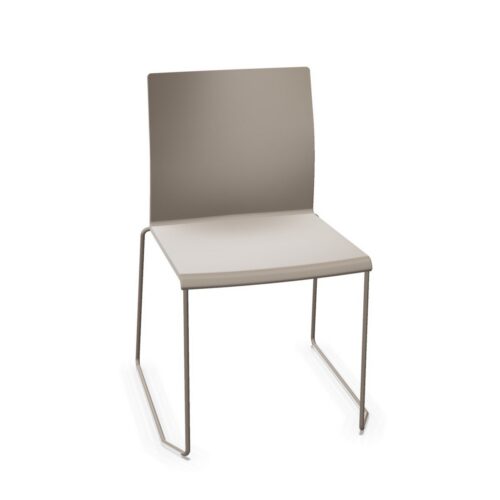
Plastic office chairs can use polymer seat or back components within several different seating formats. A molded surface, an upholstered seat and a supporting frame may be combined in the same product, so begin by reviewing the chosen configuration. Consider the activity, the sitting position and the furniture around it, then assess how the plastic components contribute to that complete chair.
Identify the seat and back construction
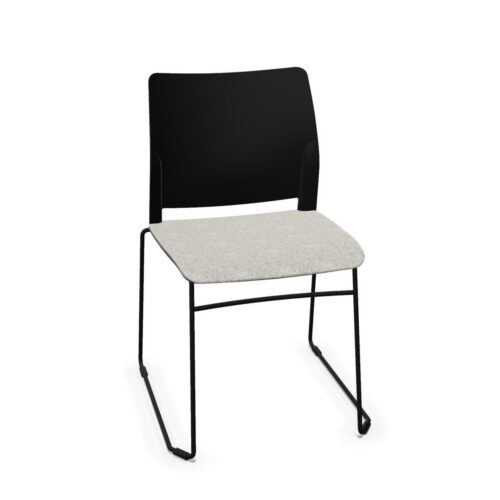
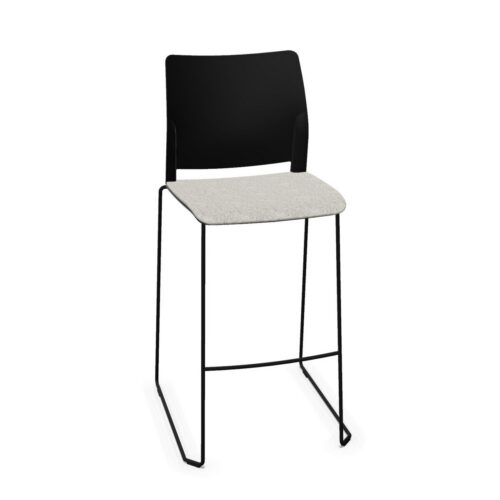
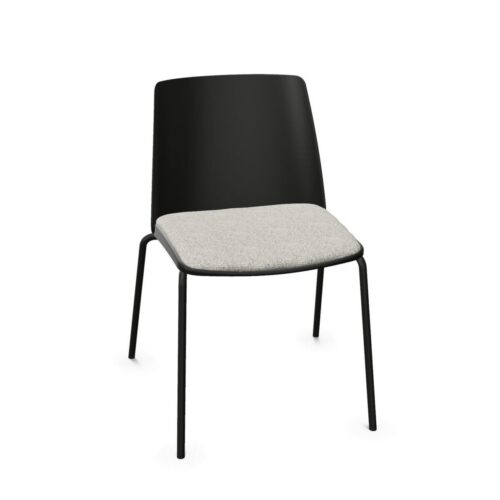
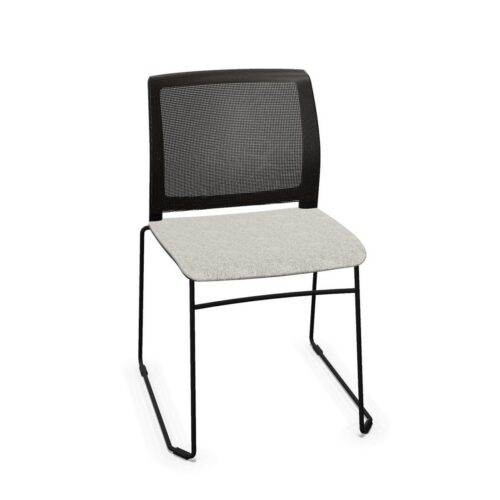
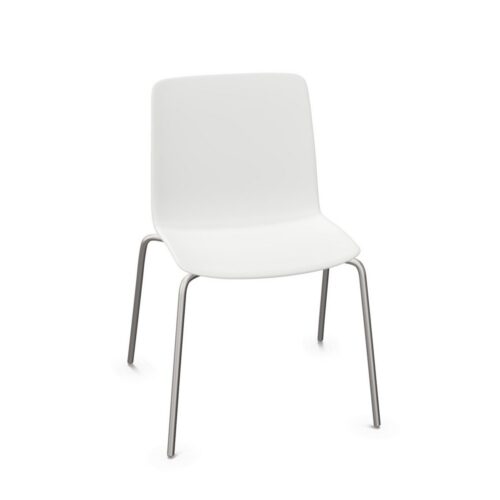
Review which parts of the chair use plastic and how they are shaped. The material may form a visible shell or work alongside other seat and back components. Keep those details clear when comparing chairs whose overall silhouettes are similar but whose constructions differ.
Plastic office chairs should be assessed through the actual sitting arrangement. Consider how the person meets the seat and back and how the shape relates to the intended table or desk. A seating trial helps connect the visible form with individual fit in that setting.
Communal tables and shared spaces
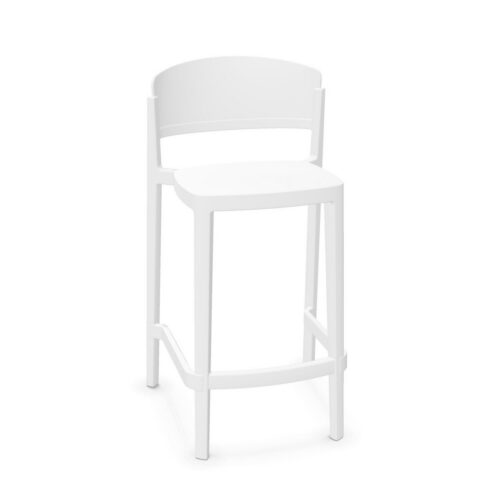
A communal area needs seats that work with its surface and the movement of people around it. Review the chair positions with the table supports and neighboring furniture included. The arrangement should remain practical when people are seated, entering or leaving their places.
Consider the intended activities in the space and the actual surface materials supplied with the chair. A break area and a discussion position can have different requirements in the furniture brief. Keep relevant care information connected to the chosen components rather than assuming a common approach across all shared seating.
Meeting and visitor arrangements
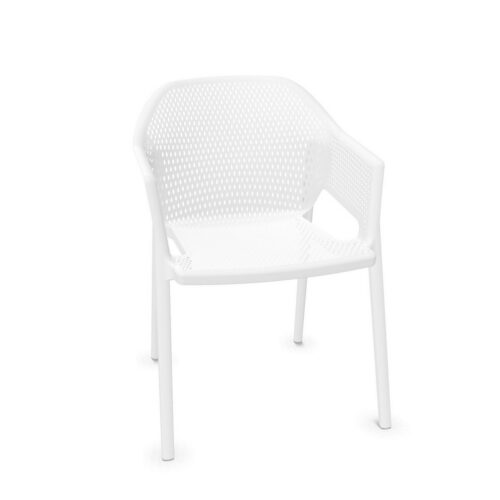
Plastic office chairs can also serve meeting or visitor positions where the selected design suits the activity. Compare the seat and back with the relevant surface, checking how the person reaches the table and relates to the other participants. Include any armrests in that assessment.
Where several versions are available, identify the exact configuration required. An armchair, armless model and different base can change the practical arrangement even when the seat shell looks related. Record the combination assessed so that the chosen furniture matches the room plan.
Upholstered combinations and task seating
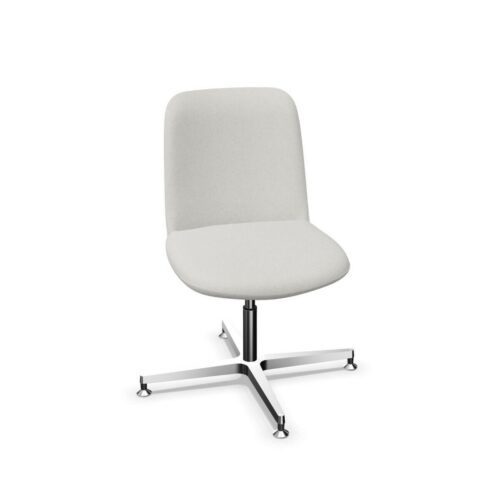
A plastic component does not require every sitting surface to remain uncovered. Review any upholstery provided with the selected version and how it relates to the surrounding structure. A covered seat and a different back construction can each contribute to the chair’s overall design.
When comparing plastic office chairs for desk use, assess the adjustments and movement controls of the actual product. The material label does not establish which functions are supplied. Review the chair with its user and equipment at the intended desk so the complete working position remains central.
Frame and floor-contact arrangements
Look below the seat to understand the supporting form. A four-leg, cantilever or swivel arrangement can create a different relationship with the floor and surrounding furniture. Check the operation and any relevant glides, feet or castors in the selected specification.
If the project requires stacking, linking or another handling function, confirm it for the actual chair. Keep any associated instructions and storage requirements with the furniture plan. A common seat material should not be used as a substitute for a defined function in the brief.
Color and visible surface details
The shell or plastic component can provide a clear area of color within a seating group. Compare that finish with nearby tables, frames and other furniture. A repeated detail can connect different settings while allowing each chair configuration to follow its intended activity.
Review the actual finish reference and relevant maintenance guidance. Plastic components can have different surface treatments, and a product may combine several materials. Keep the care information specific to the chosen version rather than extending one material description to the whole chair.
Select the complete seating product
Bring the seat, back, supporting frame and any upholstery together in the final comparison. Include the person in the intended arrangement and review how the chair approaches the surface. This keeps the material choice connected to the practical use of the furniture.
Choose plastic office chairs by defining the activity, checking the actual components and assessing the occupied seating position. Refine the color and finish once that setup is understood. The plastic material can then serve a clear role within a considered office seating scheme.

Bralco