

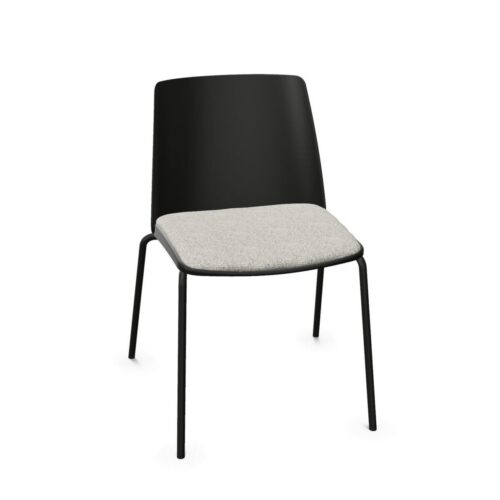
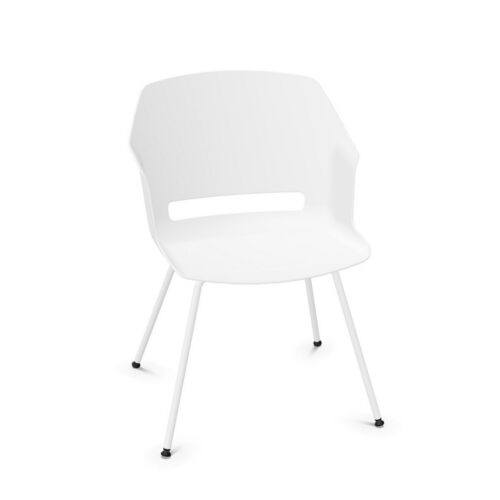
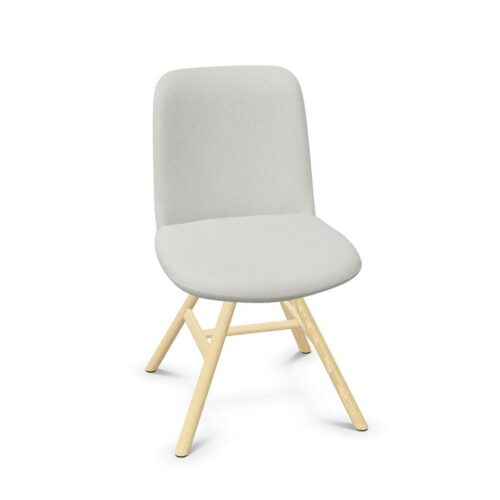
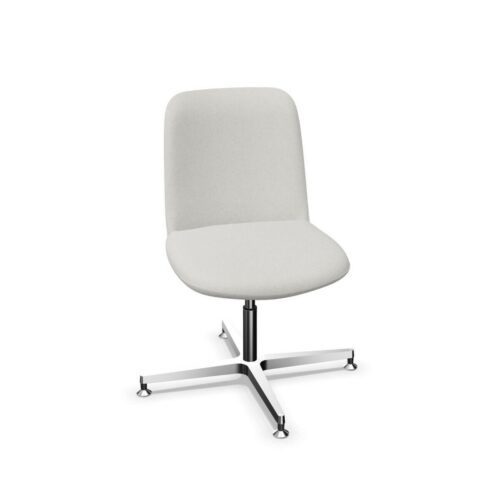


Chairs: Plastic Upholstery / Plastic Frame

For teams responsible for shared spaces, a clear chair brief saves time during review. Chairs: plastic upholstery / plastic frame identify two relevant details; check them alongside the plastic upholstery specification and the activities planned for the room. Start the comparison with the plastic chair base material. Then review the plastic upholstery specification and make sure the available floor area is covered in the a visitor room plan.

When the room is shared, workplace planners should review the plastic chair base material, ask who relies on the plastic upholstery specification, and check the access route. Because a quiet planning room may support formal presentations as well as short check-ins, assess the plastic chair base material beside the plastic upholstery specification while keeping who needs to use the chair in view. If a space alternates between interviews and planned reviews, check that the plastic chair base material and the plastic upholstery specification still serve the circulation plan and user expectations.

$6.46 p/m
6 models
From $5.33 p/m
5 models
From $5.97 p/m
14 models
From $5.72 p/m
7 models
From $9.90 p/m
7 models
From $7.97 p/m
2 models
From $4.08 p/m
2 models
From $4.00 p/m
2 models
From $3.14 p/m
3 models
From $15.05 p/m
2 models
From $23.60 p/m
5 models
From $11.30 p/m
6 models
From $4.51 p/m
4 models
From $21.26 p/m
2 models
From $4.76 p/m
2 models
From $3.32 p/m

Questions to settle before selection

For interior project teams planning a design studio, relate the plastic upholstery specification to the plastic chair base material and then check the available floor area against collaborative work. People entering a quiet planning room notice more than the chair itself; relate the plastic upholstery specification and the plastic chair base material to the ease of rearranging the room and the surrounding furniture before finalising the plan.

How this chair choice fits the room

Use the room plan to compare the plastic upholstery specification and the plastic chair base material; that gives facilities teams a practical basis for discussing the room’s existing palette. When use changes from formal presentations to planned reviews, revisit the chair brief and check whether the plastic upholstery specification, the plastic chair base material, and the room’s visual balance still match the space.

Reviewing the chair specification

The seating brief for a flexible meeting zone should explain how the plastic upholstery specification and the plastic chair base material relate to aisle clearance. When the room is shared, office administrators should review the plastic chair base material, ask who relies on the plastic upholstery specification, and check the access route.

A closer look at the selected details

A shortlist for workplace planners should tie the plastic chair base material to a user need and the plastic upholstery specification to the layout of a busy shared workspace. For the planned formal presentations, check the chair’s relationship with the relationship between colour and adjacent finishes; include the plastic upholstery specification and the plastic chair base material in the same review.

Questions about chairs: plastic upholstery / plastic frame

How do I compare chairs for busy group sessions?

Before planning longer discussions in a client-facing space, weigh the plastic chair base material against the plastic upholstery specification; access to the seating position provides a practical test. Before approving chairs for a boardroom, compare the plastic chair base material and the plastic upholstery specification with the furniture plan, the user group, and the expected pattern of shared meals.

Which room details matter when comparing chairs: plastic upholstery / plastic frame?

For a busy shared workspace, workplace consultants can begin with the plastic chair base material, then test the plastic upholstery specification against seat-to-table relationship during informal conversations. To assess chairs: plastic upholstery / plastic frame, describe the room’s purpose, who uses it, and how the plastic upholstery specification relates to the plastic chair base material.

How should I assess the plastic chair base material alongside the room plan?

For workplace planners planning a hospitality area, relate the plastic upholstery specification to the plastic chair base material and then check how often the chairs are moved against team briefings. For a multi-purpose room, facilities teams can begin with the plastic upholstery specification, then test the plastic chair base material against the relationship between colour and adjacent finishes during training sessions.

How the seating will be used

The room brief for a hospitality area can record the plastic chair base material, the plastic upholstery specification, and table alignment together, giving the project team a concrete basis for comparison. For office managers planning a central gathering space, relate the plastic chair base material to the plastic upholstery specification and then check storage between sessions against workshops.

Assessing the selected chair features

A workplace brief becomes clearer when staff arranging a new workspace document how the seat relates to nearby furniture, choose a relevant chair detail such as the plastic upholstery specification, and connect it with the plastic chair base material. For a quiet planning room project, keep the plastic chair base material visible in the brief and check whether the plastic upholstery specification works with how often the chairs are moved.

Explore related selections