

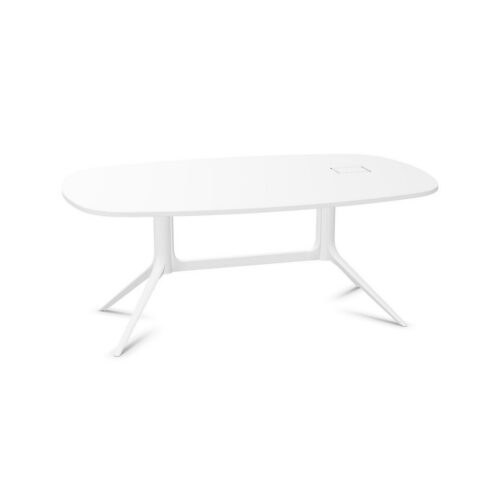
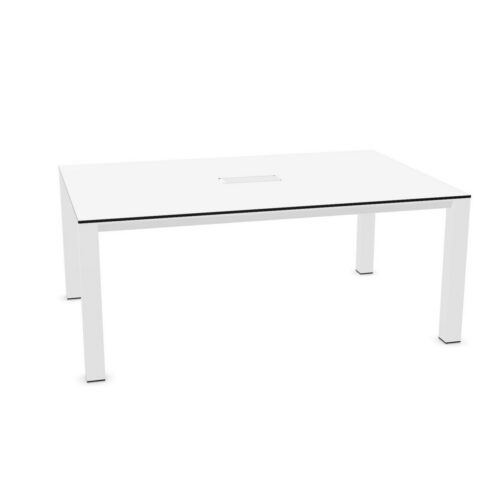
Square Conference Tables With Height Adjustment

Describe the working positions the room needs, then test the table with occupied chairs, connected equipment and clear access to each seat. This combination retains the defined edges and corners of a square surface while allowing its height to change. The adjustment method is unspecified, so establish how it works before deciding how changes will fit into the room’s use. Adjustable height alone does not confirm particular working positions or a specific preparation process.

Plan the square layout around the way participants will interact. Shared document work, discussion, and presentation viewing can create different priorities for seating and orientation. A clear adjustment routine for height-adjustable square conference tables should identify who prepares the table and the arrangement expected after each session. Check chairs, nearby furniture, and access routes at the intended settings. Keep the corners clear of busy approaches and ensure that whoever prepares the table can reach its operating area. A useful arrangement connects height selection with the room’s actual meeting routine.

10 models
From $75.62 p/m
31 models
From $40.14 p/m
5 models
From $86.96 p/m
10 models
From $65.29 p/m
9 models
From $9.70 p/m

Planning height-adjustable square conference tables

Identify what the team needs from a changing surface setting before deciding how adjustment should be used. A regular discussion layout may need a different review from an arrangement used for shared documents or presentations. The square top gives the seating area a clear outline without establishing a long side or designated head position. Its height remains a separate consideration. Confirm the operating method and available settings, then assess them against the intended activity. The presence of adjustment should prompt a practical evaluation of use, rather than an assumption that every setting or meeting format will be suitable.

Arrange Shared Work Around the Square Surface

Consider where participants need to look and how shared materials will be used. A discussion may focus across the center, while a presentation draws attention toward a wall. Decide which positions provide useful views without requiring sustained turning. Check how people approach the surface with their chairs and whether the intended arrangement leaves access to the operating area. The corners may help define the meeting area visually, but they also influence circulation. Review the layout with people seated, since the positions of occupied chairs matter more to access than the tabletop's outline viewed in an otherwise empty room.

Assess the Room Across Intended Settings

Height adjustment changes the relationship between the surface and the objects around it. Review chair positions, chair arms where present, adjacent furniture, and any cables used during meetings. Assess height-adjustable square conference tables with the chairs and equipment that participants will use, considering the complete working arrangement at each intended position. Follow the actual operating instructions and keep surrounding objects clear as required. Avoid inferring a particular range or suitability for standing use. Instead, check each intended arrangement against the people and activity it is meant to support. Revisit presentation views after adjustment if the meeting's working position or seating arrangement also changes.

Agree How Shared Users Prepare the Table

Once the adjustment method has been established, decide how teams should leave and prepare the room. Some workplaces may prefer a regular arrangement between meetings; others may have users set the table for each activity. Either approach needs a clear understanding of how the surface, chairs, and routes through the room relate. Make access to the controls or mechanism part of the layout review. Consider whether preparation can happen before participants arrive and how users will check the finished setting. Review the routine when meeting habits change so the adjustable feature continues to serve a clear workplace purpose.

Frequently Asked Questions

Does height adjustment identify the operating method?

No. This combination confirms that the height can change without specifying manual or electric operation. Check the method before assigning preparation responsibilities or planning changes within meetings.

Can the same seating arrangement serve every activity?

It may, but that needs assessment. Review views, chair relationships, and access for each intended activity, especially when the surface setting or presentation direction changes.

How should the table relate to a nearby wall?

Use the wall's role to guide placement. A display, entrance, or adjacent furniture can affect seating and circulation. Check the arrangement with occupied chairs and throughout the intended adjustment.

The practical value of height-adjustable square conference tables depends on whether the available positions suit the intended activity and the furniture used alongside the table.

For height-adjustable square conference tables, establish which working positions the room actually needs before deciding how often to change the setup.

Explore related selections