


Square Melamine Tables for Structured Meeting Rooms

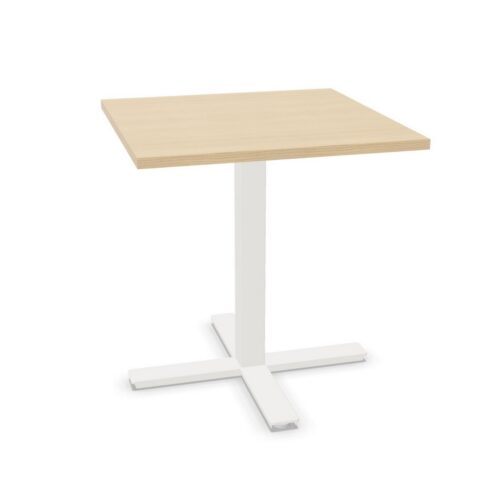
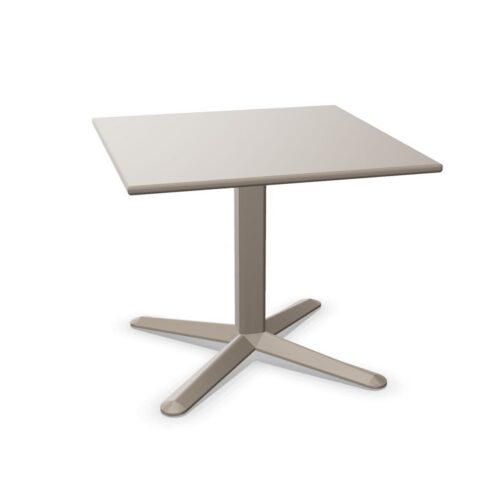
Conference tables with square tops and melamine tops combine a square meeting surface with a specified tabletop material. The straight edges provide clear reference lines for chairs, room walls and shared work, while the corners need attention in the circulation plan. Melamine identifies the tabletop material without establishing its color or appearance. Together, these choices provide a useful starting point for a meeting room organized around defined seating positions and a coordinated surface scheme.

Square melamine conference tables should be considered in relation to how the room opens and how people work across the table. Aligning an edge with a wall may create an orderly arrangement, but the doorway and occupied chairs still need to guide placement. Plan where documents will face, how participants will view a screen, and whether nearby storage can be opened without interrupting someone seated at the table.

2 models
From $20.46 p/m
13 models
From $12.69 p/m
6 models
From $8.51 p/m
11 models
From $17.73 p/m
2 models
From $13.82 p/m
4 models
From $43.21 p/m
2 models
From $18.24 p/m
2 models
From $17.34 p/m
6 models
From $38.74 p/m
10 models
From $11.85 p/m
15 models
From $8.94 p/m
5 models
From $9.41 p/m
3 models
From $12.12 p/m
11 models
From $10.21 p/m
4 models
From $28.04 p/m
7 models
From $24.17 p/m

Arranging Conference Tables With Square Tops and Melamine Tops

Begin with the square outline on a room plan rather than assuming it belongs in the center. Its straight edges can be aligned with walls, storage or a presentation area, but those alignments should serve the meeting. Examine the approach from the doorway and the path to each intended chair position. A corner placed on a natural walking route deserves particular attention because the route must pass around it. Try an alternative orientation if the entrance feels constrained. Once the movement pattern works, use the tabletop edges to organize seating and relate the table visually to the surrounding room.

Use the Sides to Organize Meeting Materials

A square top gives participants clear edges from which to arrange notebooks, papers and other work items. Decide whether documents will be shared across the center or reviewed from a particular side. Opposing positions can have different views of the same page, so think about document orientation as well as placement. Keep material used by the whole group distinct from items that belong to an individual task. For square conference tables with melamine tops, this work pattern should guide chair placement before the room is styled. An arrangement that looks balanced may still require people to rotate papers repeatedly during an ordinary discussion.

Coordinate Melamine With Retained Room Finishes

Build the appearance brief around the actual melamine tabletop, not an assumed effect. Compare it with chairs, cabinetry and the floor to decide which relationships should be repeated and which should remain distinct. The square geometry already introduces a clear visual structure, so consider how much further coordination the room needs. Matching every visible surface is not a requirement for a coherent result. If the room contains several existing finishes, identify the ones closest to the table first. That focused comparison is more useful than treating the material name as a complete description of how the finished meeting area will look.

Check Corners During Everyday Room Tasks

Assess the layout while imagining tasks beyond sitting down. Someone may need to open a cupboard, reach a board or leave while a discussion continues. Mark the chair positions during use and when pulled back, then follow those routes around the square perimeter. Pay attention where a tabletop corner, chair and adjacent furniture create a change of direction. Keep meeting supplies from gradually occupying those passages. Square melamine meeting tables work within the whole room arrangement, so review supporting furniture at the same time. An occasional storage task should not depend on moving a participant's chair out of its normal position.

Questions About Square Melamine Conference Tables

Should the square top follow the room's wall lines?

That can be a useful starting point, but the doorway and circulation pattern should decide the final orientation. Check the routes around corners with chairs in use.

How should papers be arranged for discussion?

Consider who needs to read each document and from which side. Use shared positions deliberately, and keep individual work areas from becoming temporary storage for the whole meeting.

Can the material name determine the room palette?

It cannot establish the tabletop's exact appearance. Review the actual melamine surface alongside retained finishes before choosing how the meeting area should relate visually to its surroundings.

Assess conference tables with square tops and melamine tops alongside circulation and the meeting's main viewing direction.

For conference tables with square tops and melamine tops, map the intended seats before deciding how the table will sit within the room.

Explore related selections