

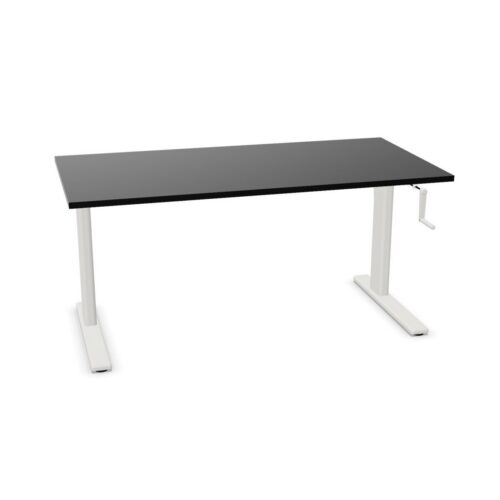
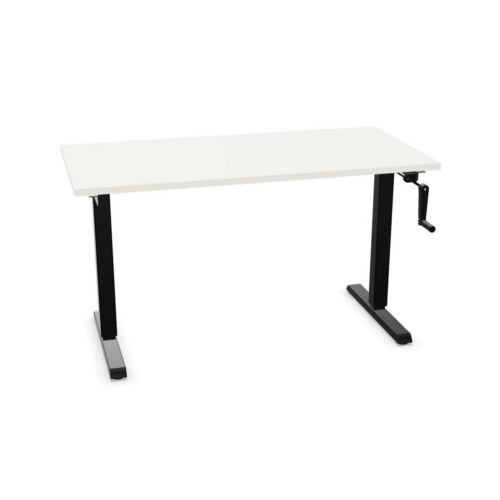
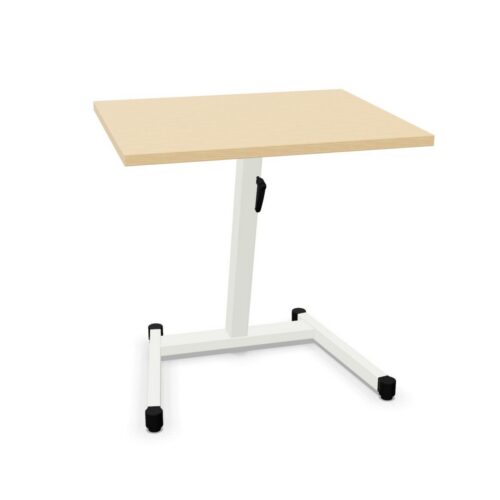
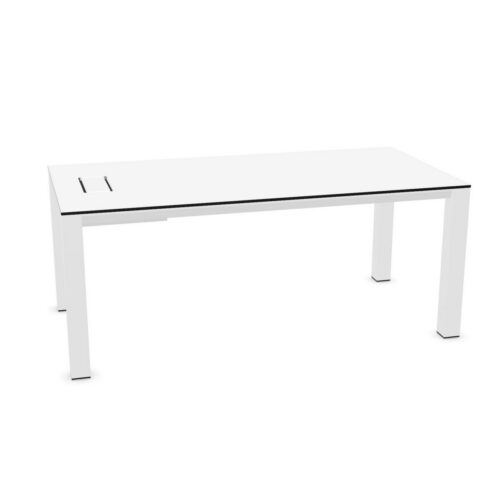
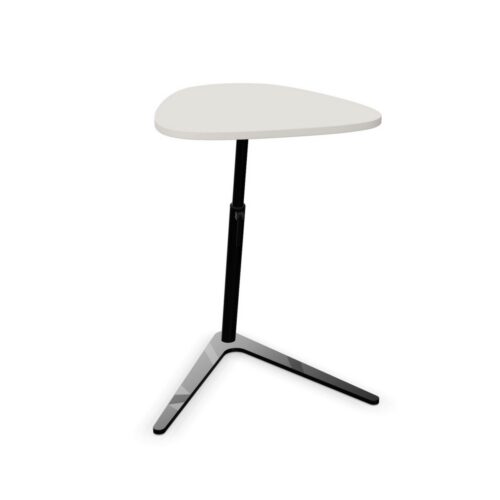
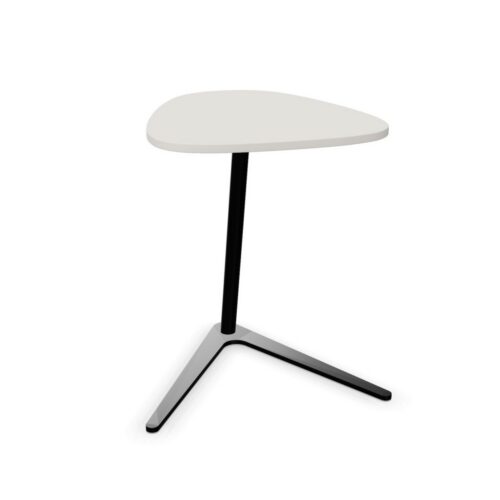
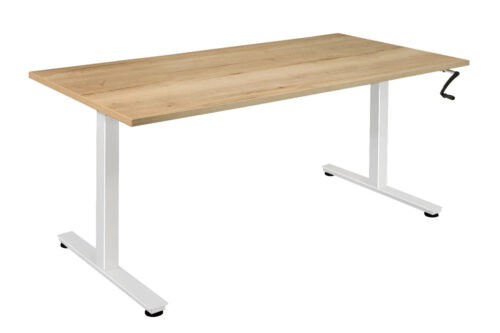
Desks with manual height adjustment and a steel base

A search for desks with manual height adjustment and a steel base narrows the workstation range to a defined workplace requirement. A desk shortlist for a flexible workspace should explain why the steel base material matters, how manual height adjustment changes the desk details and what requires review around the cleaning routine.

Before the selected desk configuration is added to the schedule, confirm the listed configuration and relate it to the steel base material, the surrounding furniture plan and room access. Also assess manual height adjustment in the space plan. A workable plan for the selected desk configuration leaves room to approach the office desk, complete online meetings and move around without disrupting the rest of a quiet office. Keep manual height adjustment and the steel base material together in the project desk brief. When reviewing the office desk specification, consider the working position before and after video calls: people need to reach it, arrange equipment and move around the area. Assess manual height adjustment alongside the steel base material before confirming the choice.

5 models
From $3.67 p/m
$17.30 p/m
$26.63 p/m
5 models
From $60.31 p/m
4 models
From $12.57 p/m
2 models
From $9.31 p/m
$14.41 p/m

Checking furniture access and access around the desks

Start by examining the expected work. workplace planners can assess the steel base material, consider manual height adjustment and verify the arrangement of adjacent furniture before arranging desks. An office used for short team check-ins may need a different layout from one used for collaborative planning; consider how the steel base material and manual height adjustment fit both patterns. For paperwork workstations, begin with movement through the space and positioning of equipment; then confirm how the steel base material and manual height adjustment affect the furniture plan. The selected filters describe separate parts of a desk. Consider the steel base material with manual height adjustment, then connect both to the relationship with adjacent desks in a client-facing office.

Comparing the listed desk details

A flexible workplace may host video calls one day and informal discussions the next, so assess how the filtered range fits ordinary changes in use. For this desk specification, relate manual height adjustment to the steel base material. Set out the purpose of a new office fit-out, then assess the steel base material and manual height adjustment against the day-to-day demands of paperwork. Before approving desks for a shared office, compare manual height adjustment and the steel base material with the wider furniture scheme plan, the group of users and the expected pattern of informal discussions. When team coordinators compare this filter combination, start with manual height adjustment, then test the steel base material against how a user approaches the selected desk prior to finalising desk placement.

Checking the wider furniture scheme

The planned activity may change during the week. Check the steel base material and manual height adjustment against both online meetings and focused computer work. Because a busy team space can support longer project sessions as well as collaborative planning, assess the steel base material beside manual height adjustment while keeping how people enter and leave in view. Think of manual height adjustment as one part of a wider decision: enough room to move around can show whether the steel base material works with furniture around the desk. When a flexible workspace is shared, buyers comparing desk needs should review the steel base material, ask who relies on manual height adjustment and check the access route.

Planning adjacent workstations

Use the space plan to compare the steel base material and manual height adjustment; that gives workplace consultants a practical basis for discussing chair clearance. When the office has several uses, consider whether manual height adjustment and the steel base material remain relevant across collaborative planning and changing work routines. A clear decision records what manual height adjustment means for users and how the steel base material fits the surrounding furniture arrangement. For a reception office project, keep manual height adjustment visible in the project requirements and check whether the steel base material works with both personal and team work.

Frequently asked questions

How can planners review desks with manual height adjustment and a steel base for a shared office?

Use manual height adjustment as the starting point, then consider whether the steel support material answers the needs of flexible offices. The space brief for a collaborative zone can record manual height adjustment, the steel support material and access to power together, giving colleagues a concrete basis for comparison. A shortlist for buyers comparing desk needs should tie the steel support material to a user need and manual height adjustment to the floor layout of a private office.

How can desks with manual height adjustment and a steel base be evaluated within the room arrangement?

Assess manual height adjustment against regular office work patterns, while keeping the steel support material visible in the workplace project requirements. For business owners planning a quiet office, relate manual height adjustment to the steel support material, then review the planned equipment for the workstation against online meetings before finalising the specified desk. For teams planning informal discussions, manual height adjustment may answer one requirement while the steel support material addresses another; the work area layout shows whether both belong in the workplace brief.

How do the listed desk features relate to everyday activity?

These desk details are most useful when checked against screen positions in the proposed work area. When workplace planners compare the listed configuration, start with manual height adjustment, then test the steel support material against the relationship with storage before the desk arrangement is agreed. The working position should support the full activity, so workplace planners can review manual height adjustment and the steel support material against the proposed plan when nearby desks are occupied before finalising a focused work area.

Explore related selections