


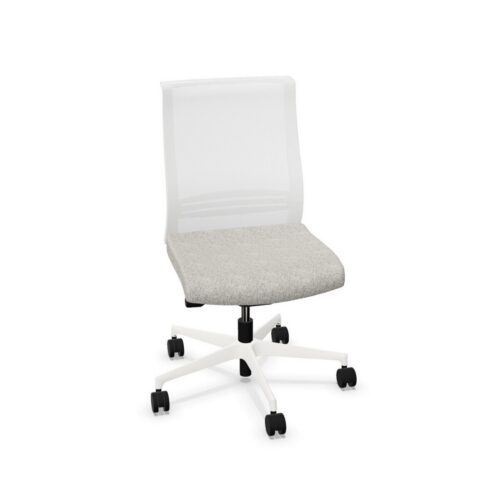

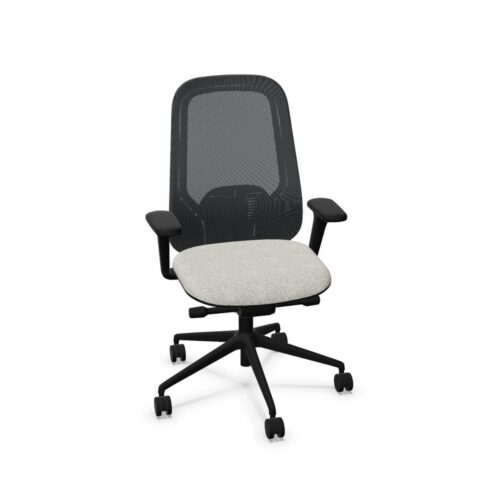
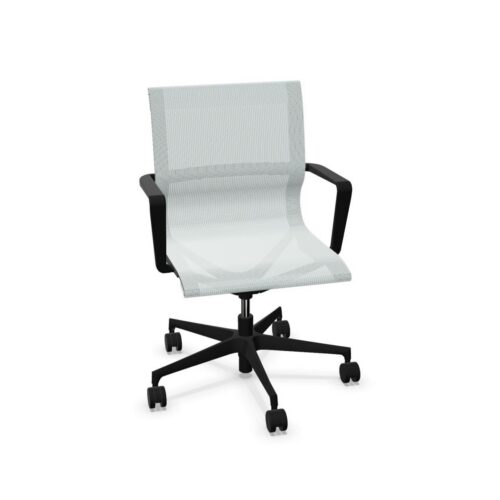
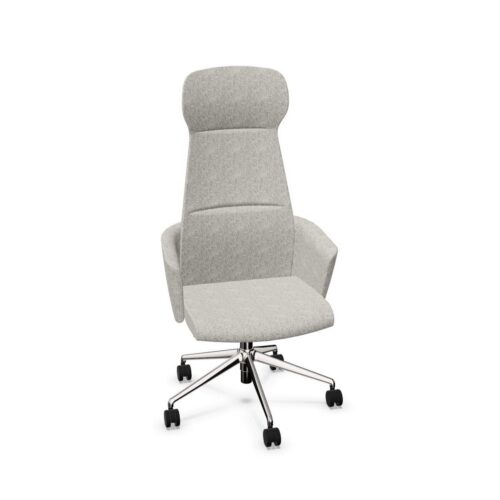








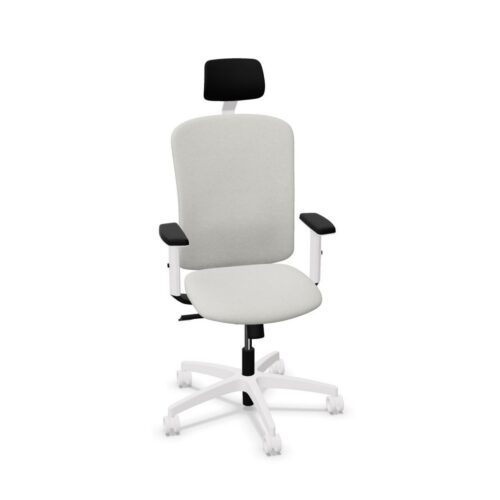
Choose The Arm Arrangement For The Activity
Begin by describing what happens while someone is seated. Focused desk work, a discussion around a meeting table and a visitor appointment can involve different arm positions. Use those activities to identify what the supports need to provide. Then assess their height, spacing and shape on the actual chair. If padding or a particular surface matters to users, include it in the trial rather than inferring its feel from an upholstery description. Record which features are necessary for the role and which are preferences that can vary between seating locations.
Distinguish Fixed Support From Adjustable Support
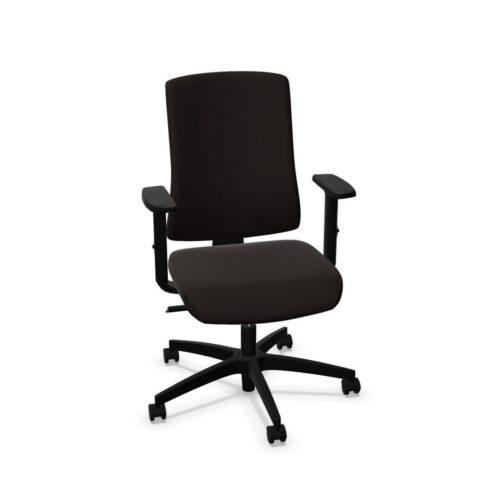
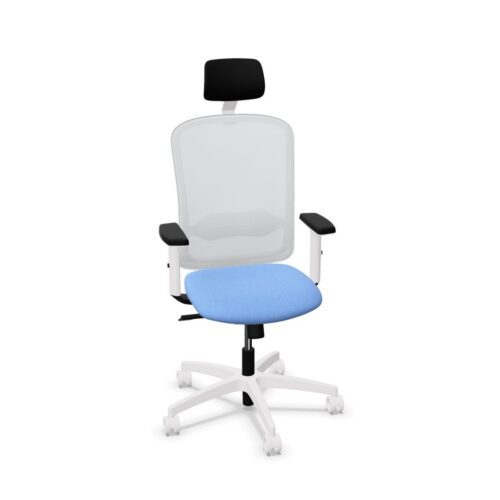
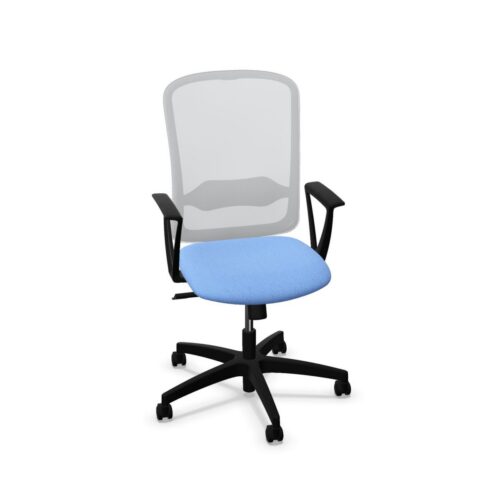
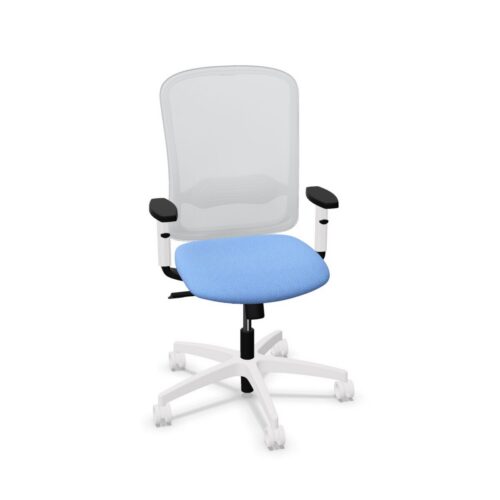
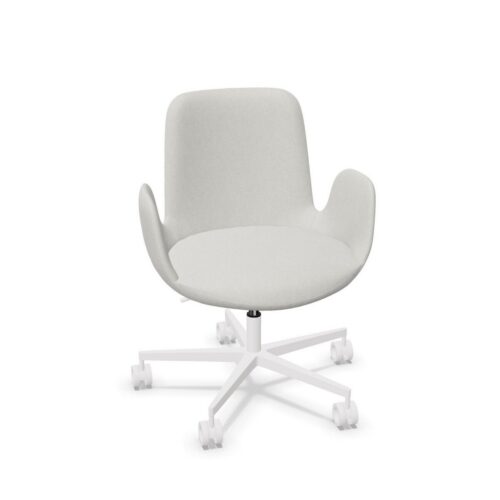
A chair with armrests does not automatically provide armrest adjustment. Establish whether the supports are fixed or adjustable, and ask how any available controls operate. For adjustable versions, confirm the movements and ranges rather than relying on a broad description. For fixed versions, assess the predetermined position against the intended users. Shared seating deserves particular attention because an arm position that suits one person may not suit another. Make the confirmed arrangement explicit in the room brief so that the presence of arms is not mistaken for a particular level of adaptability.
