

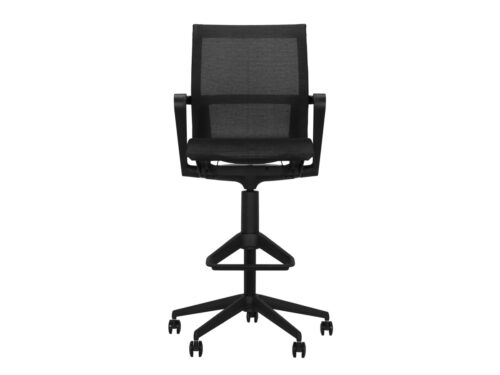
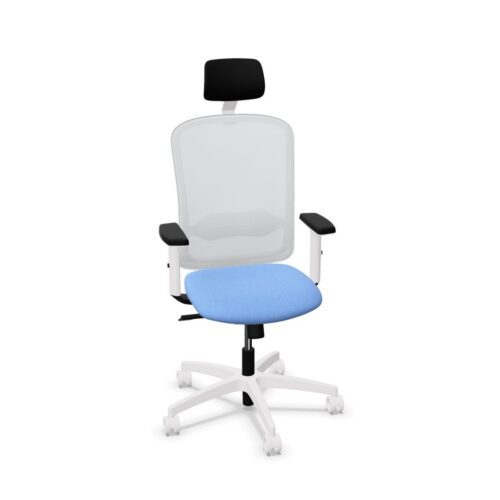
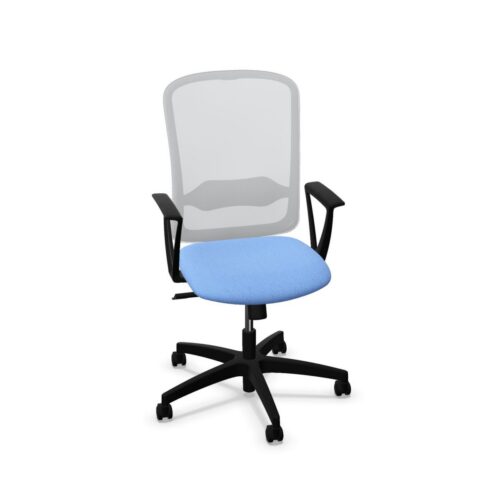
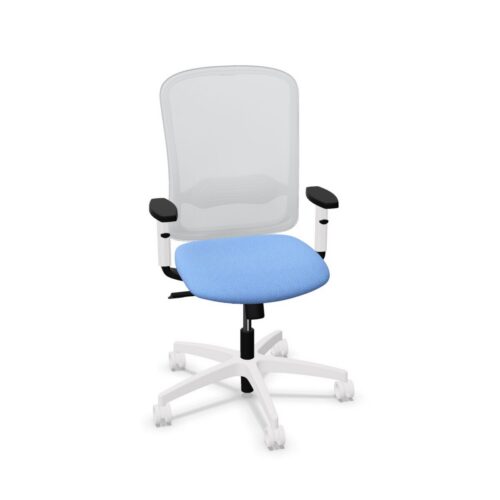
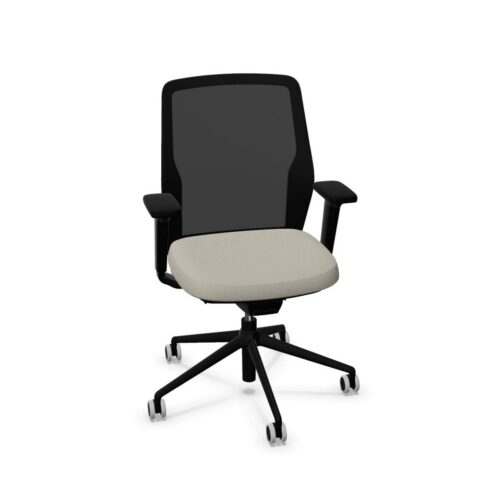
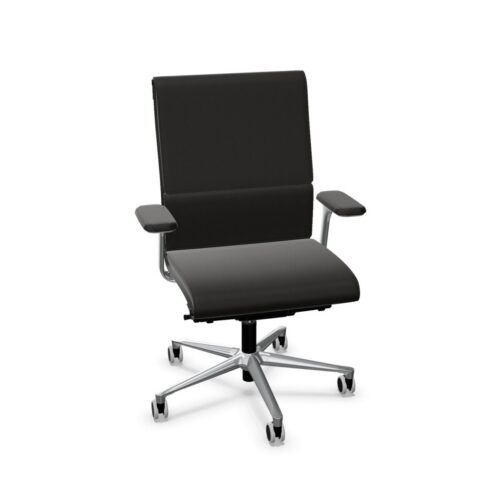
Mesh Office Chairs With Fixed Back Height

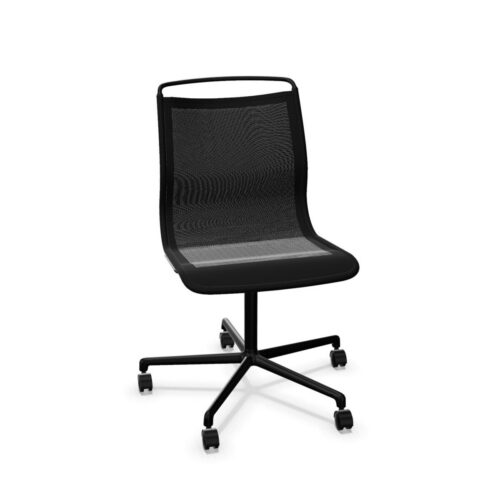
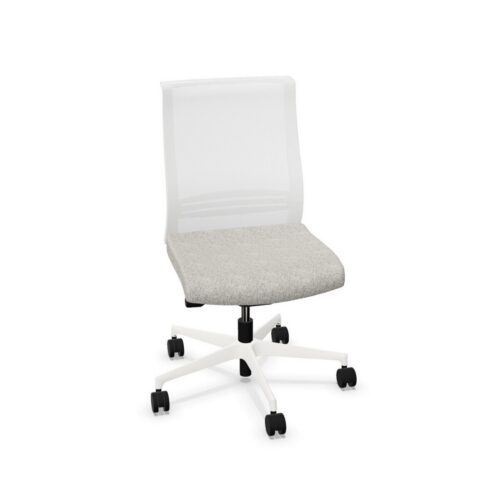
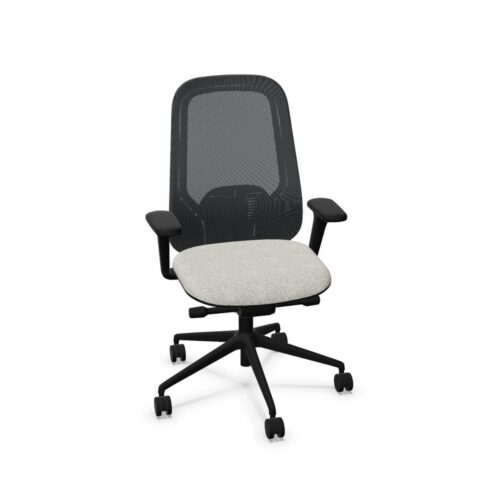
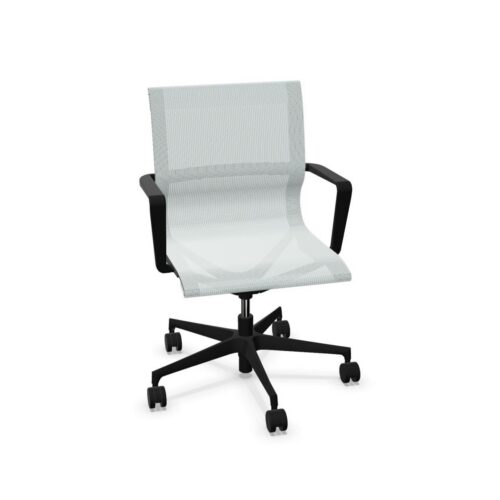
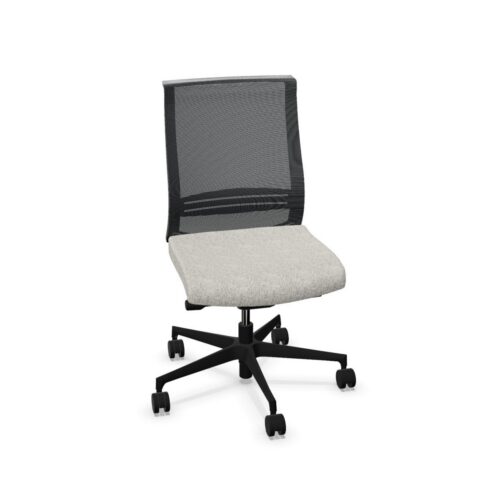
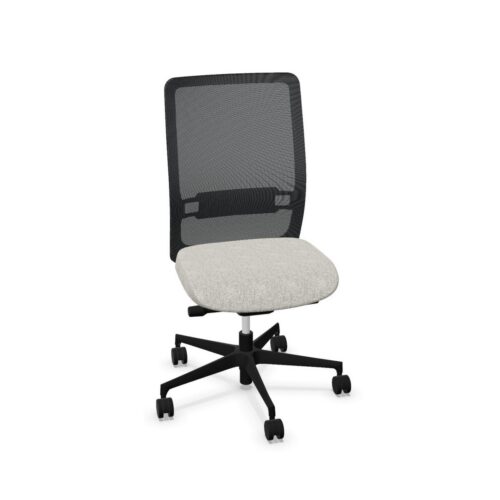
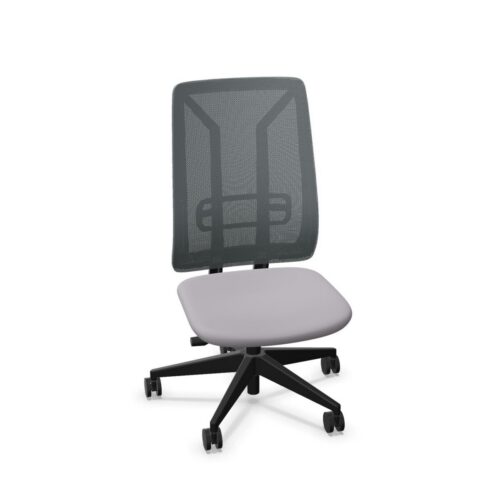
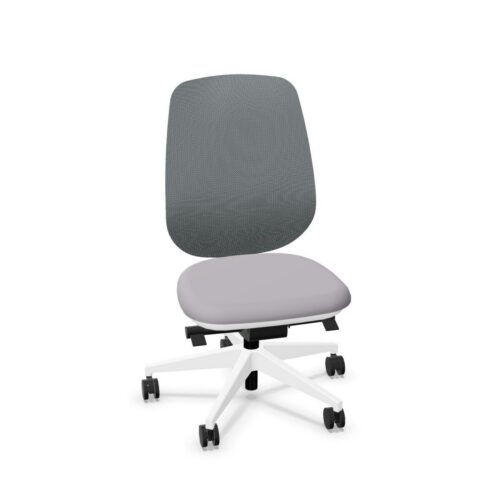
People experience a backrest through its contact with their body, which makes individual feedback central to assessing mesh office chairs with fixed back height. The upholstery material is mesh, and the backrest cannot be repositioned through a height adjustment. The existing backrest shape and position therefore need to work for the intended user. Start by asking where contact occurs during normal desk work, then examine whether that experience remains acceptable as the user changes tasks.

For office managers, this combination calls for a clear distinction between material preference and positional fit. Someone may appreciate the mesh surface while needing a different backrest position. Another person may accept the position but prefer a different contact surface. Neither response should be hidden inside a single comfort score. Compare these office chairs at the actual workstation, verify any additional features separately and obtain the relevant material care information before planning their use across a team or shared work area.

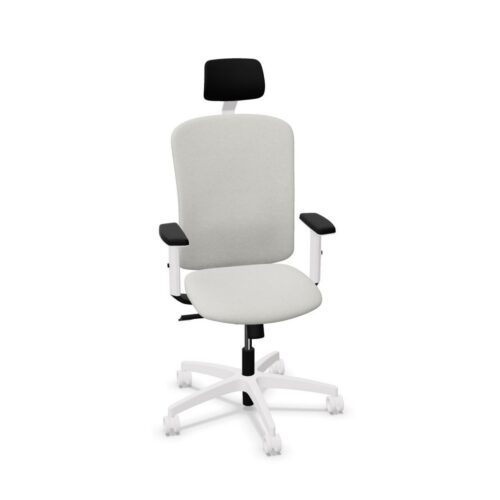
2 models
From $24.11 p/m
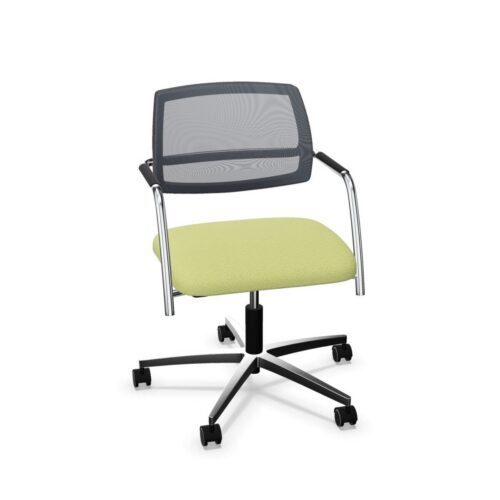
10 models
From $16.38 p/m
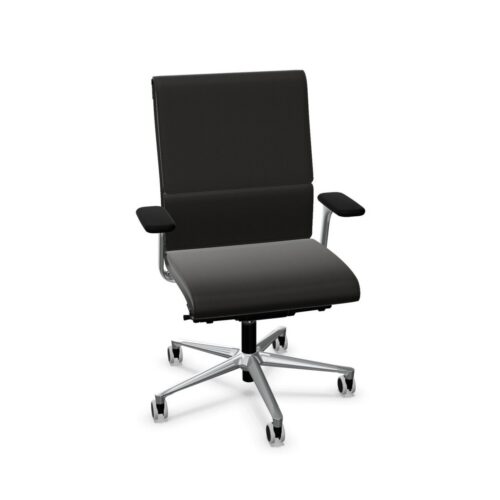
9 models
From $16.38 p/m
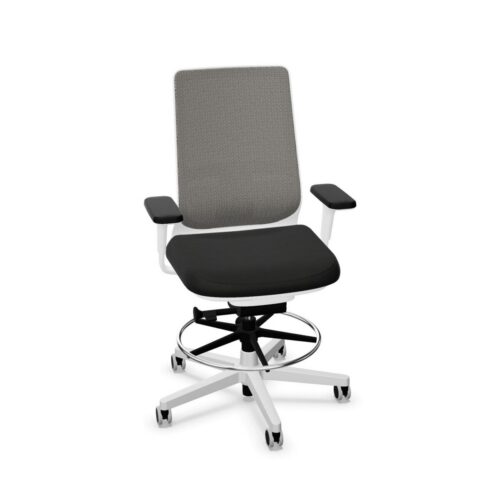
2 models
From $12.59 p/m
$14.21 p/m
10 models
From $11.79 p/m
13 models
From $8.26 p/m
2 models
From $72.28 p/m
5 models
From $16.71 p/m
5 models
From $18.68 p/m
3 models
From $20.54 p/m
2 models
From $26.53 p/m
6 models
From $15.50 p/m
8 models
From $20.13 p/m
9 models
From $39.26 p/m
3 models
From $62.32 p/m
4 models
From $36.82 p/m
18 models
From $24.99 p/m

Let Users Describe the Contact Surface

Ask people trying mesh office chairs with fixed back height to describe their experience before introducing technical questions. Useful observations might concern where the backrest touches, where contact feels absent or whether an edge becomes noticeable during movement. Follow up on specific comments by repeating the relevant task. Do not assume that mesh provides a particular degree of airflow, flexibility or pressure distribution. Those characteristics are not established by the material name. The purpose of the conversation is to understand the actual chair's contact with the individual, using ordinary work as the context for their observations and preferences.

Identify the Limits of Backrest Position

Because back height is fixed, a user cannot move the backrest vertically to seek a different contact point. That makes the relationship between the person's seated position and the existing backrest particularly relevant. Check whether they can sit naturally at the desk while making appropriate use of the backrest. If they lean away or move forward, ask about the reason and examine the workstation arrangement. Fixed back height does not establish fixed recline or seat height, so verify any such characteristics independently. A clear explanation prevents staff from searching for an adjustment that this selection does not provide.

Give Shared Seating a Broader Trial

Include the expected users when evaluating mesh office chairs with fixed back height for a shared area. Ask each person to complete representative work, using a consistent sequence so that feedback can be compared. Differences in back contact should remain visible in the assessment record, even when most participants respond positively. Mesh office chairs should not be assigned solely on the basis of appearance or one person's experience. Where a user reports an unresolved mismatch, investigate another seating arrangement. The fixed height of the backrest places greater emphasis on choosing an existing position that works for each intended person.

Connect Care Planning With Daily Observation

Material care belongs alongside fit assessment when reviewing mesh office chairs with fixed back height. Obtain instructions for the actual upholstery and confirm which workplace cleaning methods are suitable. Inspect the surface and its edges as part of the agreed routine, reporting concerns through a named contact. Do not turn the mesh designation into an assumption about maintenance effort or resistance to damage. When comparing office chairs, record the care requirements as well as users' responses to the backrest position. This gives the office manager a practical account of both allocation needs and ongoing responsibilities within the intended workspace.

Questions About Fixed-Height Mesh Backrests

Can the backrest move despite fixed height?

Possibly, but no other movement is established here. Fixed back height describes the absence of vertical adjustment. Check the operating instructions separately for information about tilt, recline or any other backrest movement.

Does mesh guarantee a cooler seating experience?

The material description does not establish a measured cooling effect. Assess the actual chair in its intended room and ask users about their experience, avoiding a performance claim based only on the mesh designation.

How should conflicting user feedback be handled?

Keep the individual responses and investigate the tasks or contact points behind them. A shared allocation needs to account for users with unsuitable fit, including another seating option where the existing backrest position does not work.

Explore related selections