







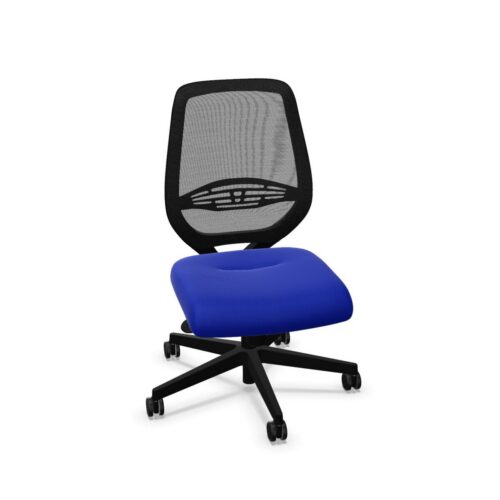
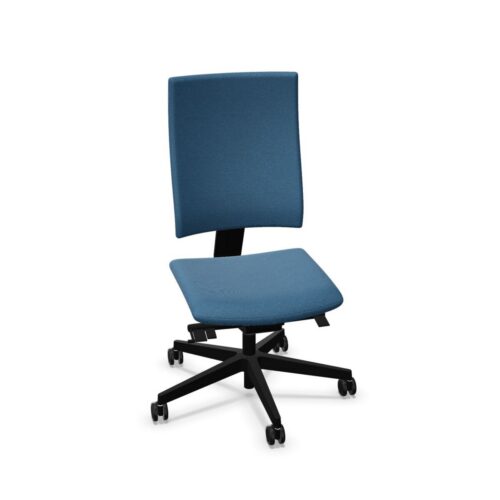

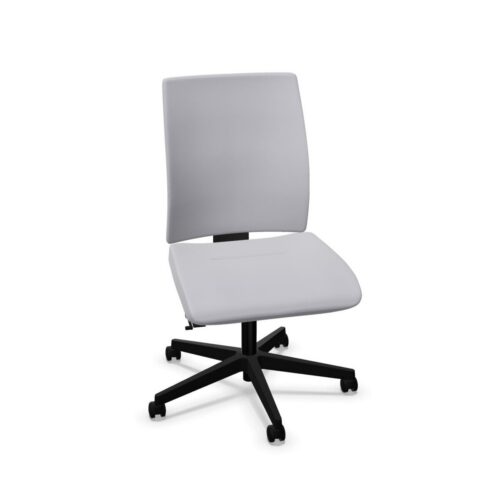
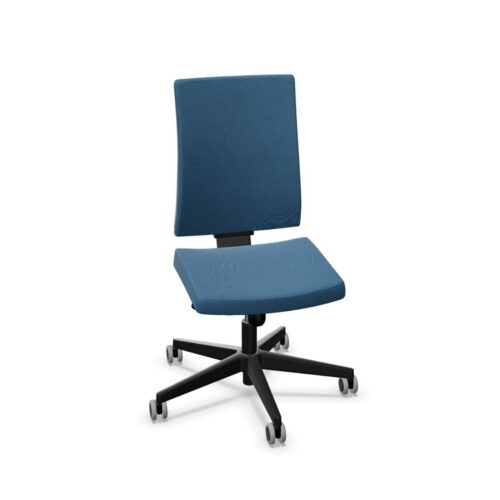


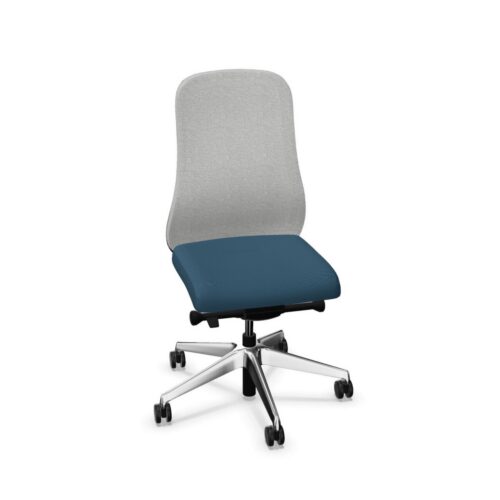


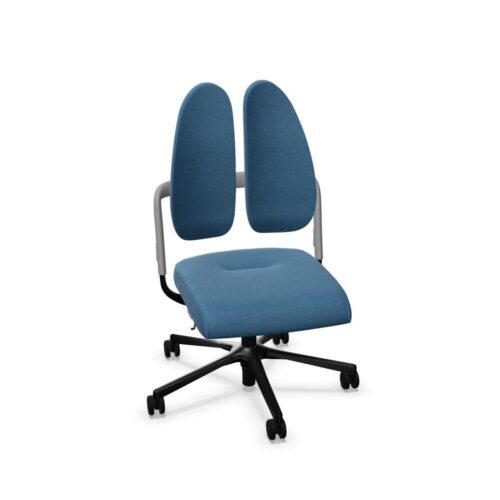

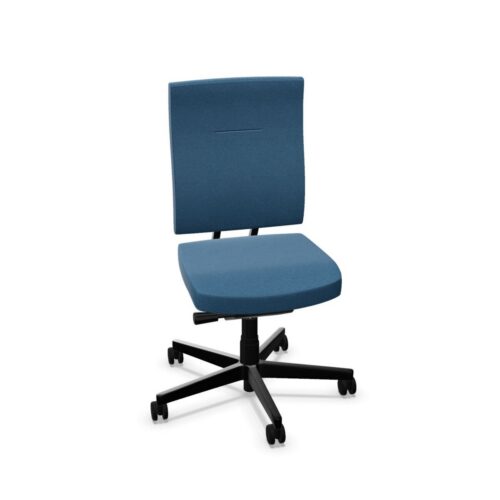
Map the Base to the Available Space
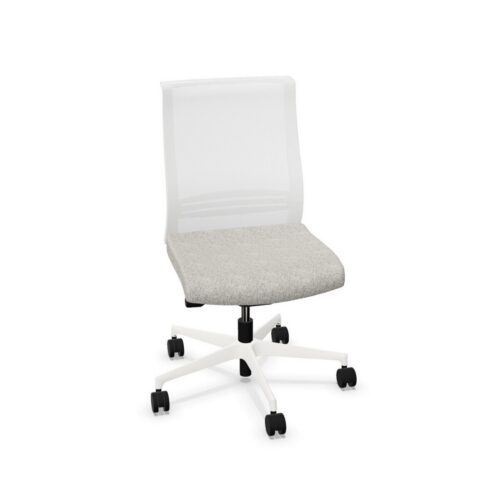
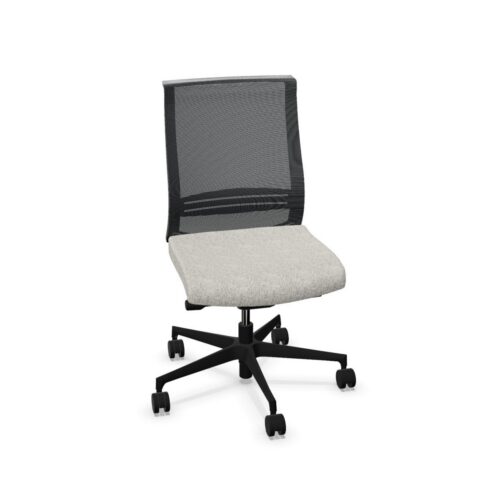
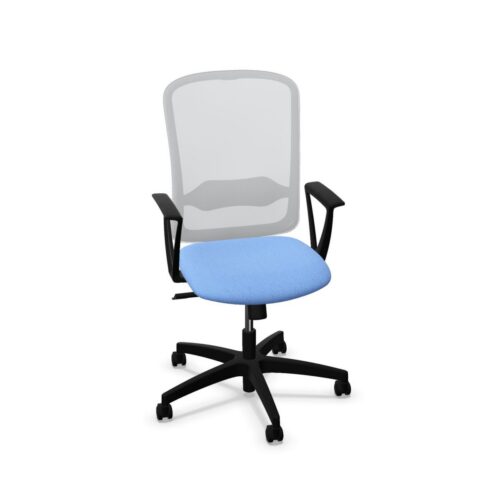
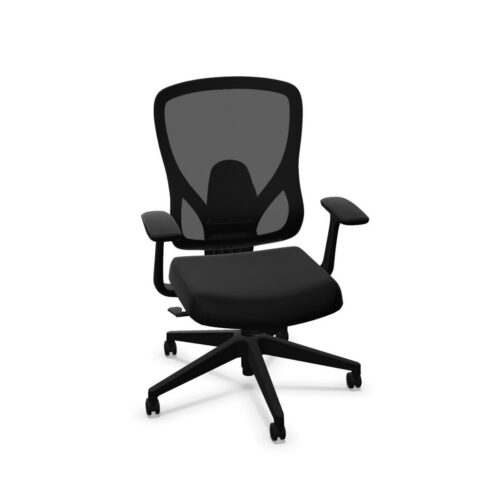
Begin at floor level. Identify desk legs, storage pedestals and other objects that restrict the area where a chair can move. Plastic base office chairs with lumbar support still need individual checks of footprint and clearance; the material description supplies neither measurement. Ask a trial participant to approach the desk, turn towards adjacent equipment and leave their seat. Note any contact between the base and surrounding furniture. Confirm which floor contact components are supplied, then check their suitability for your floor surface. Keep those findings alongside the layout notes for each workstation.
Locate the Support During Real Desk Tasks
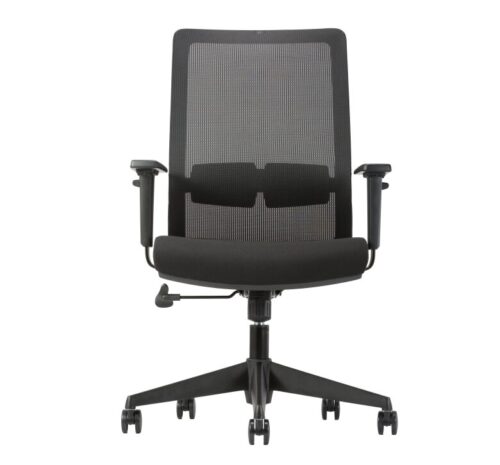
Move the assessment to the user's relationship with the backrest. Ask where the lumbar feature makes contact before introducing a typing or reading task. Then observe whether the user moves away from that contact to reach equipment. Plastic base office chairs with lumbar support should be assessed at the intended workstation because desk arrangement can influence the seated position. Establish which support settings, if any, can change. Let participants try the available controls and describe the result in their own words. Distinguish comments about contact position from comments about the seat or surrounding furniture.
