


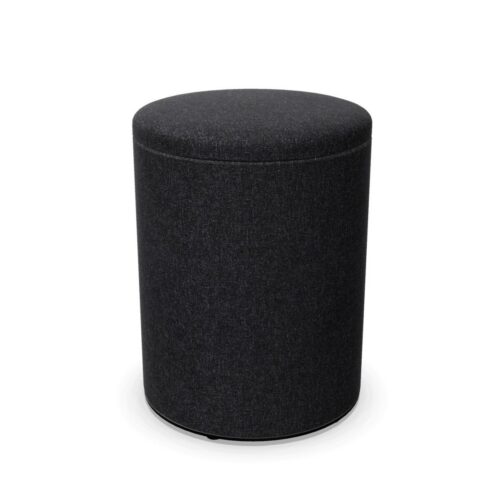
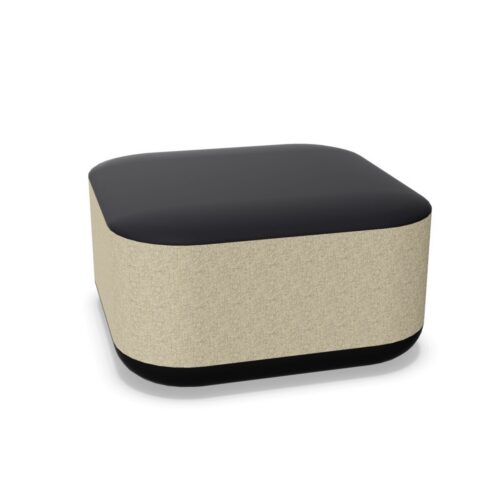
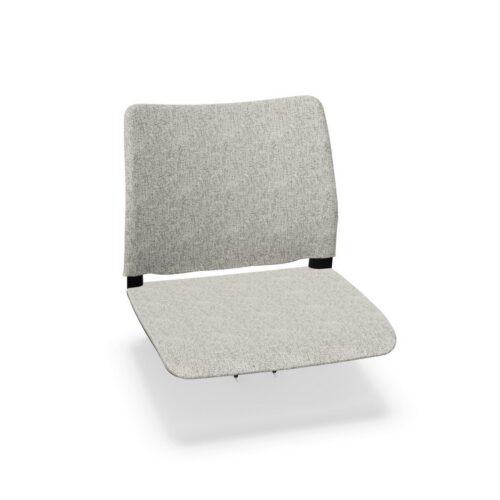

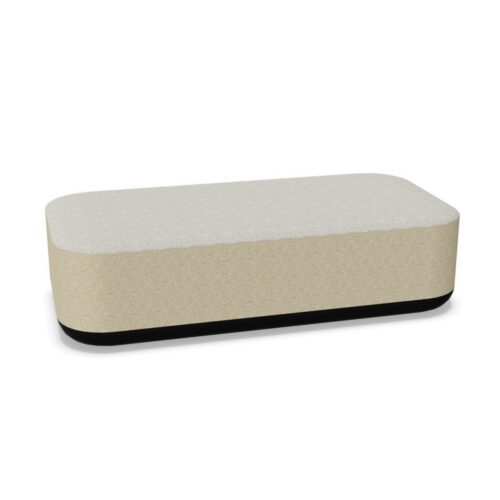


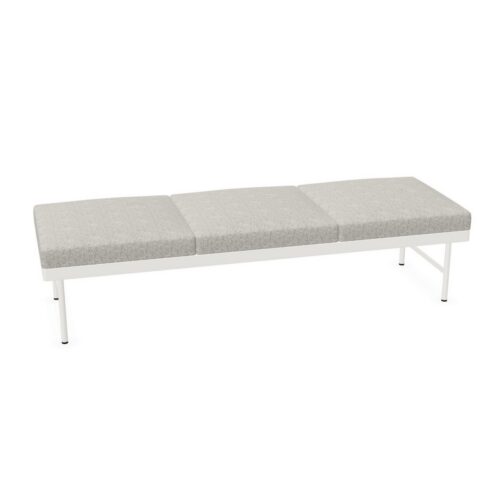
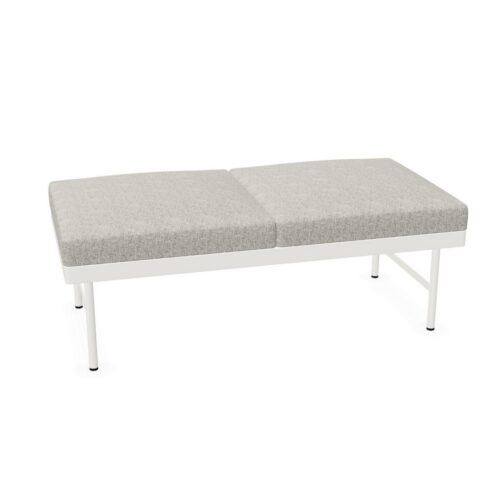
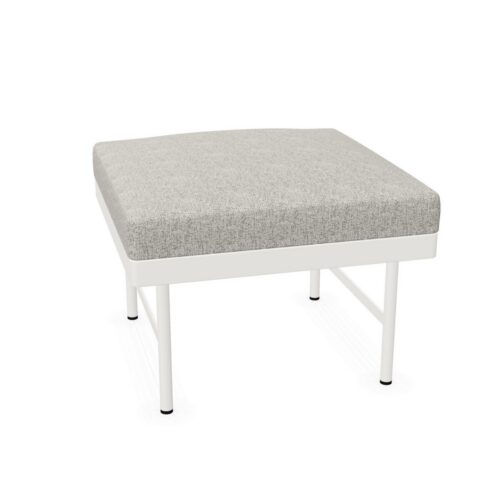
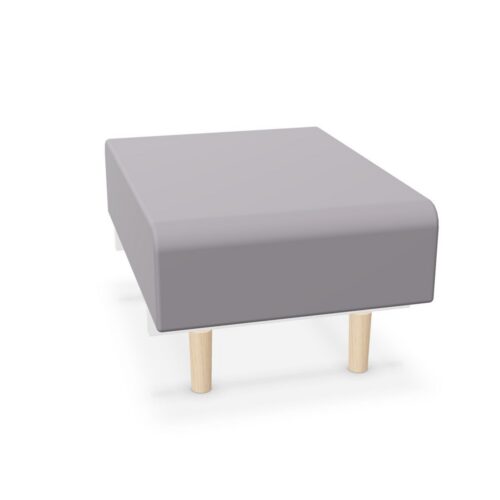

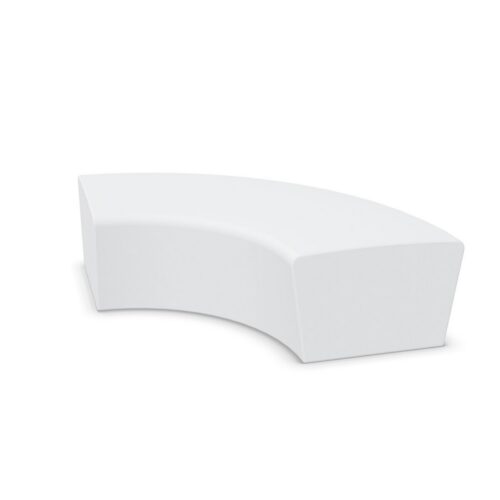

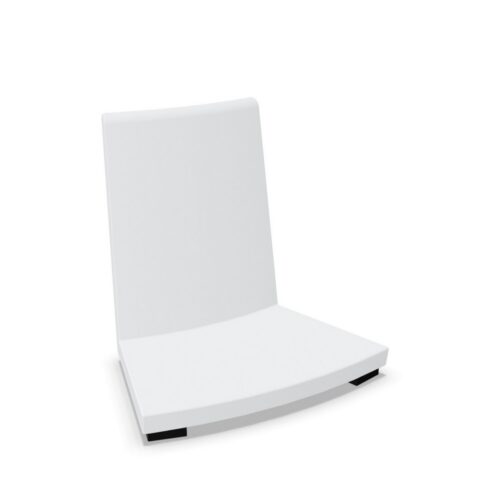

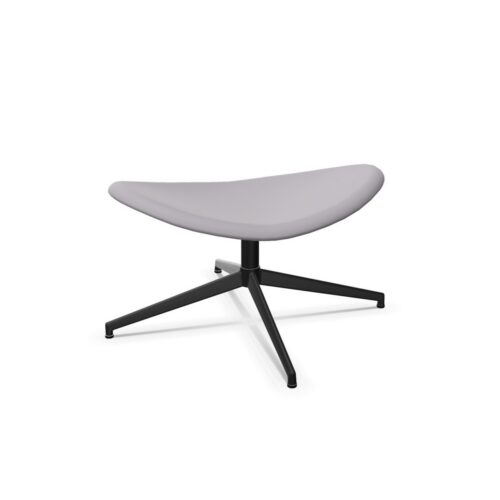



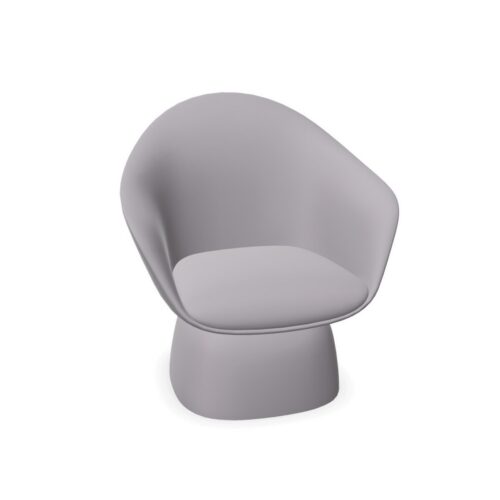
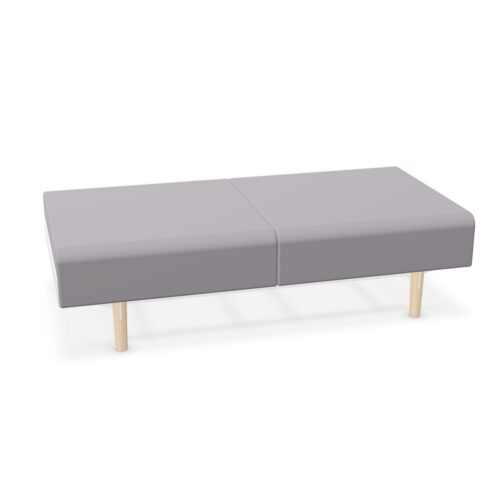



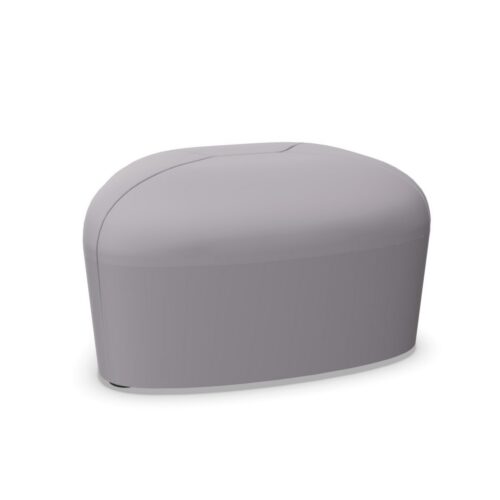

Arranging lounge furniture with no armrests and fabric upholstery
Begin with the edges of the seating group. Because there are no armrests, those edges are described by the seats themselves and their relationship to the surrounding room. Decide which sides people should approach from, then check that the placement of neighboring furniture supports that intention rather than creating an ambiguous route.
Keep through traffic distinct from the space people occupy while seated. An open side can look like an invitation to pass through, especially in a busy shared area. Examine the arrangement from each nearby doorway and consider how it will read when some places are occupied and others remain empty.
Give each seating position a clear role
Armless seating can be arranged for conversation, individual waiting, or a mixture of the two. Define that role before deciding how closely pieces should relate. For conversation, focus on mutual sightlines. For waiting, consider the orientation toward the next point of contact and the distinction between adjacent places.
Do not rely on absent arms to explain how the group should be used. Changes in orientation and deliberate gaps can make the arrangement easier to interpret. Evaluate those decisions in the actual room, including where a person might place a bag without interrupting access to another seat or the main passage.
