

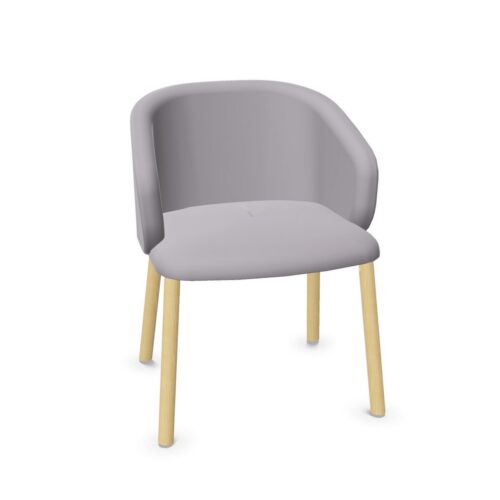
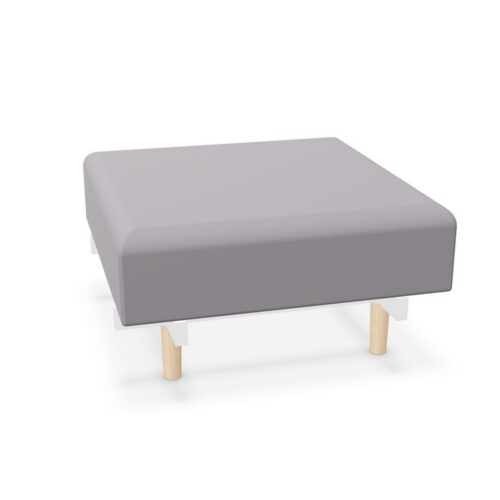
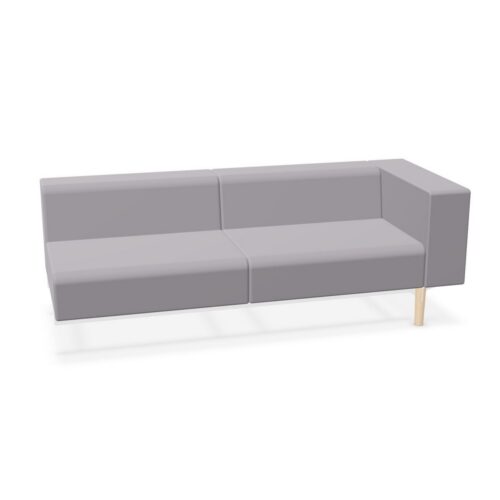
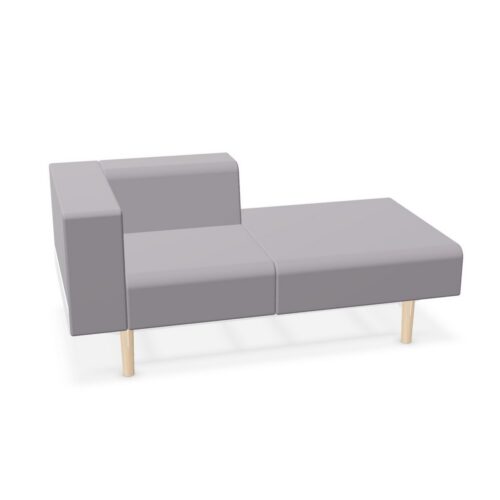
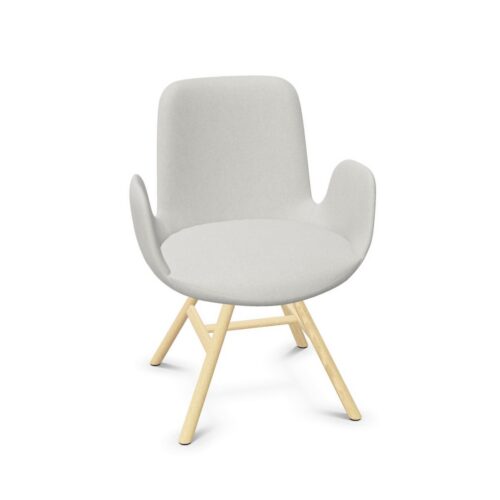
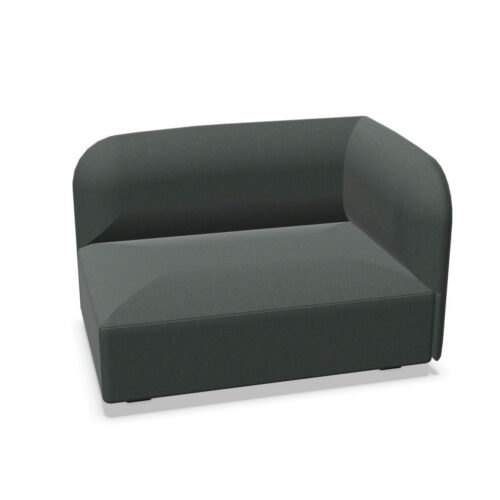
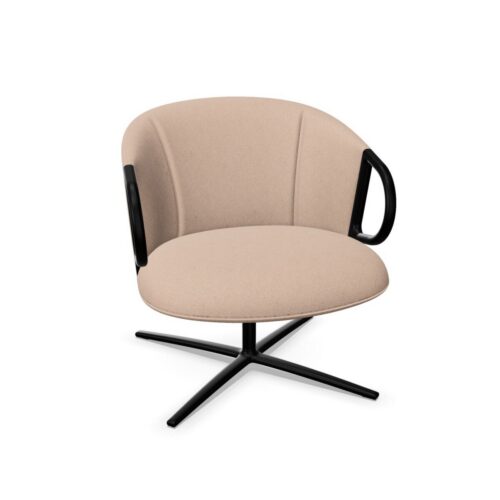
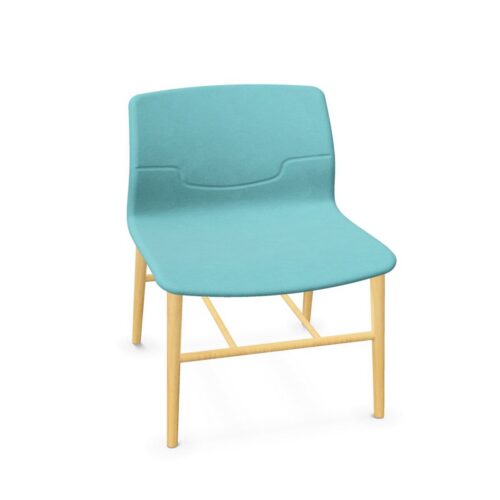
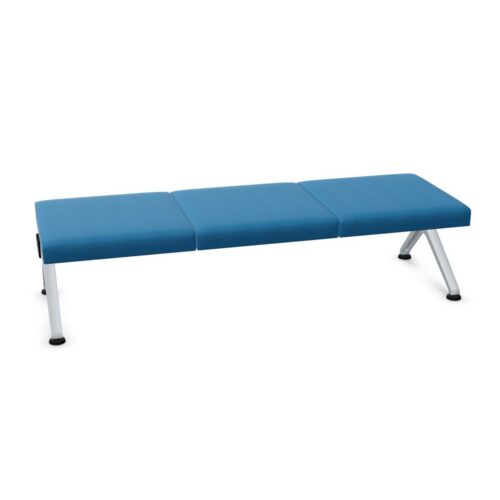
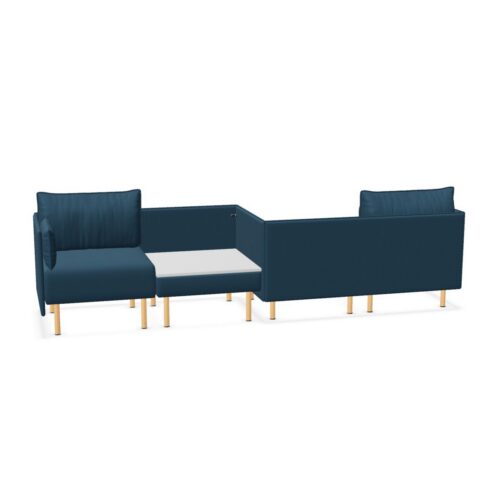
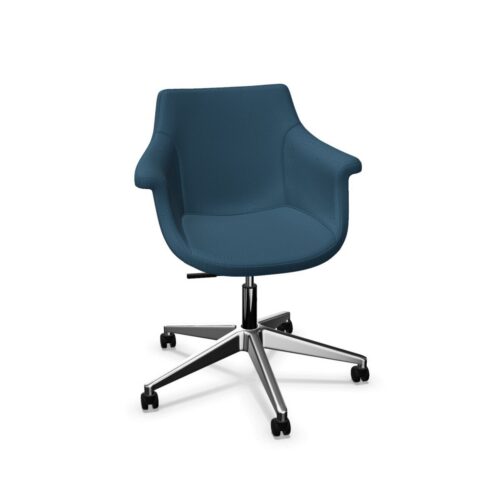
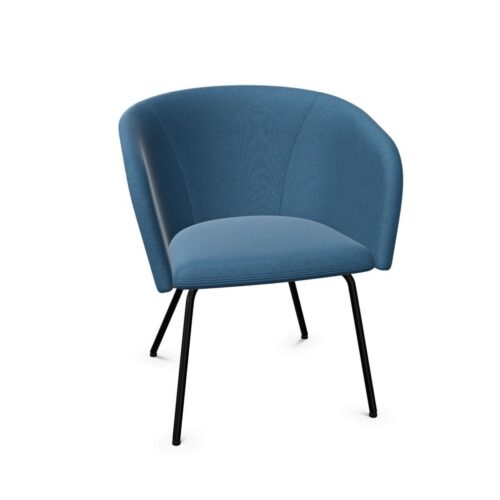
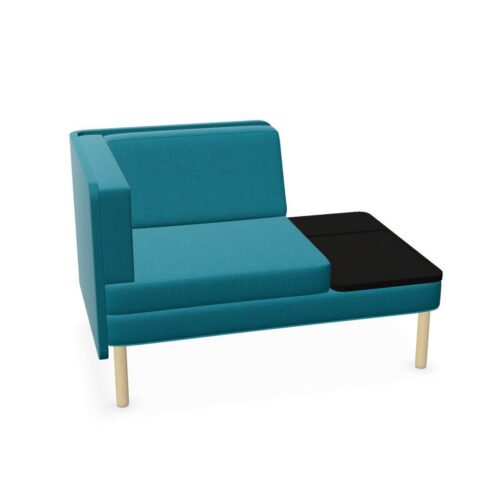
Lounge Furniture With Yes Armrests and Wood Bases

lounge furniture with yes armrests and wood bases brings defined seat sides together with a wood element at floor level. For an office lounge where the furniture is visible from several nearby areas, this combination deserves attention as a complete composition. Consider how the armrests outline each place and how the wood bases relate to the arrangement beneath the seats.

Start with the views into the lounge, then assess the routes people take through and around it. The presence of armrests establishes one aspect of the seating, while their configuration still needs individual review. Wood identifies the base material without settling its particular appearance. Compare the actual base forms and visible details alongside the armrests, seat arrangement, and neighboring furniture. This approach connects the visual brief with practical decisions about orientation, access, and the separation between individual places.

5 models
From $15.83 p/m
2 models
From $56.93 p/m
3 models
From $66.32 p/m
7 models
From $35.77 p/m
5 models
From $68.14 p/m
3 models
From $23.51 p/m
2 models
From $43.13 p/m
2 models
From $21.16 p/m
3 models
From $10.76 p/m
17 models
From $14.90 p/m
35 models
From $35.08 p/m
79 models
From $49.45 p/m
3 models
From $22.04 p/m
2 models
From $67.90 p/m
5 models
From $91.66 p/m
4 models
From $150.84 p/m
2 models
From $114.29 p/m
5 models
From $17.81 p/m
6 models
From $14.70 p/m
3 models
From $51.89 p/m
6 models
From $34.71 p/m

Composing lounge furniture with yes armrests and wood bases

Identify the viewpoints that matter most within the office. These may include the entrance to the lounge, a nearby work area, and the route past the seating. Review how the armrests define the group from each viewpoint and how the wood bases appear beneath it. Then consider the occupied arrangement, where people and belongings become part of the scene. A considered composition needs to work from within the lounge as well as across the room. Assess the actual furniture together so that the relationship between upper outlines and visible bases is clear.

Compare the visible wood details

Review the appearance of each wood base individually, including its form, tone, and any visible grain. Establish which relationships need to correspond across the seating group and where variation suits the intended composition. Avoid inferring a particular appearance from the material name alone. If other wood elements are present in the room, assess the relationship with them directly rather than assuming that a shared material creates a visual match. Look at the group from nearby and across the room, since the prominence of individual details can change between these viewpoints.

Connect armrest placement with room circulation

For lounge furniture with yes armrests and wood bases, practical placement starts with the complete outline of each piece. Review the armrest configuration and actual base form together wherever the seating meets a route. Establish how someone approaches each place and how a seated person leaves while neighboring positions remain occupied. At the edge of the lounge, distinguish access to the seating from general movement through the office. Pay particular attention to an end seat or a place beside a wall. These positions may need their own assessment rather than simply following the spacing used elsewhere.

Bring visual and practical decisions into one brief

Describe the intended seating arrangement in terms that can be reviewed directly. Include the principal viewpoints, the desired relationship between wood bases, and the orientation of the armrests within the group. Alongside these visual decisions, show the approaches to individual places and the route around occupied seating. Where nearby surfaces are included, assess their relationship with each seat and its armrests. Record the likely location of personal belongings as part of the same exercise. A complete brief gives the room's appearance and its everyday use equal attention throughout the final layout review.

Frequently asked questions

Should the wood bases match other wood in the room?

Decide the intended visual relationship, then compare the actual pieces. Review tone, form, and visible grain where present. A shared material description does not establish a match, so assess the seating group alongside its surroundings from the main viewpoints.

What should be checked about the armrests?

Review their actual configuration and relationship with neighboring seats, walls, and shared surfaces. Include them in the complete furniture outline when assessing access. The presence of armrests alone does not settle how each seating position should be approached.

How should the final arrangement be assessed?

Review lounge furniture with yes armrests and wood bases from the main room viewpoints and with seats occupied. Check visual relationships, individual approaches, the full base outlines, and the route around the group within the wider office setting.

Explore related selections