


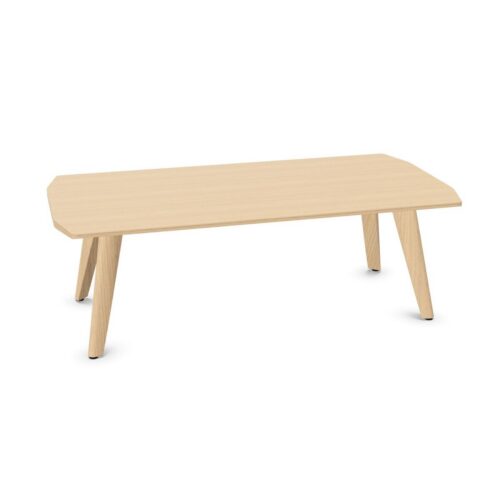
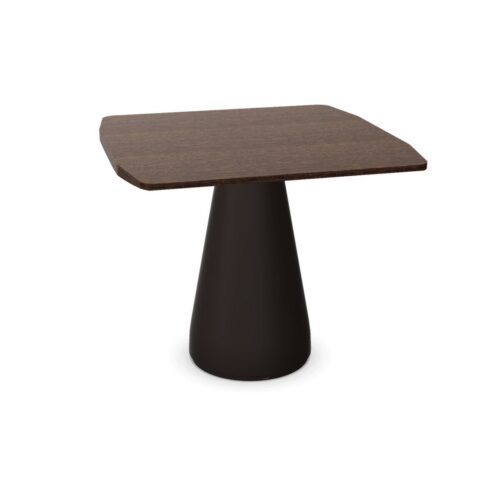


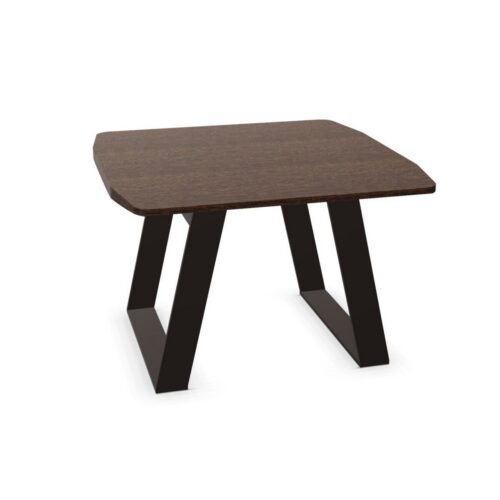


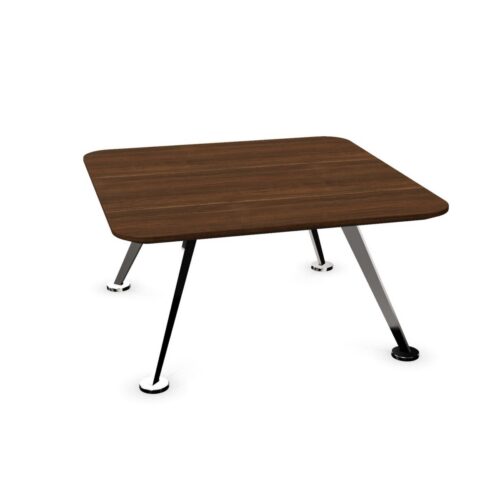
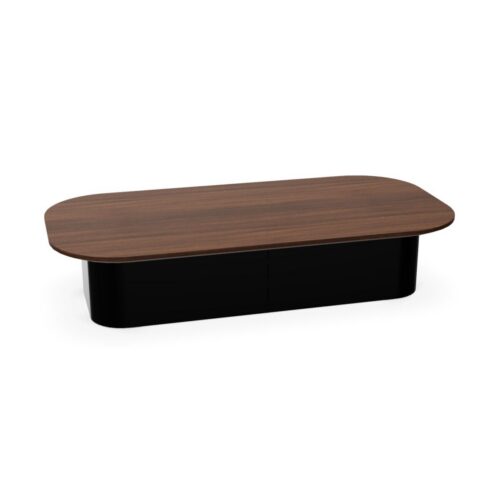









Coordinating Wood Surfaces for Lounge Furniture
Take the room's existing color relationships as the starting point. Identify the wood-colored elements that will remain visible, including those beyond the lounge itself. Decide which is the main reference and which can differ. This prevents every new furniture decision from becoming a separate attempt to match a different nearby feature. Where a reception area opens onto another shared space, review the transition between them as one composition. The lounge can carry through an established tone or introduce a clear change, but that choice should be understandable from the principal views used by visitors and staff moving through the space.
Separate Color From Material Decisions
A wood-colored appearance does not by itself establish a surface's material. Keep that distinction clear when comparing wood surfaces for lounge furniture. First assess whether the visible color and pattern fit the intended room scheme. Then confirm the actual construction and relevant care information separately. This approach keeps an appearance preference from becoming an unsupported assumption about the furniture. It also makes discussions within a project team more precise: one person may be describing color, while another means a particular material. Record those requirements independently so that visual approval and practical approval each have a clear basis for the final decision.
