


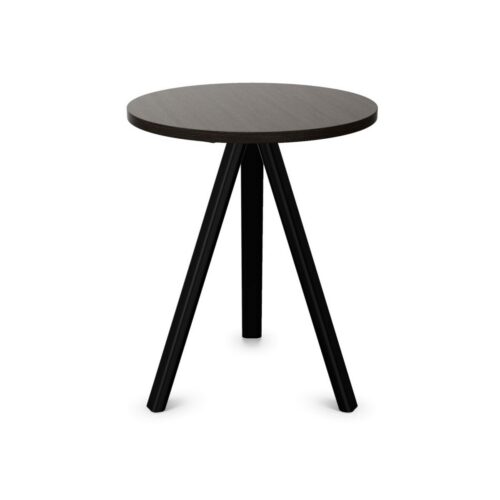
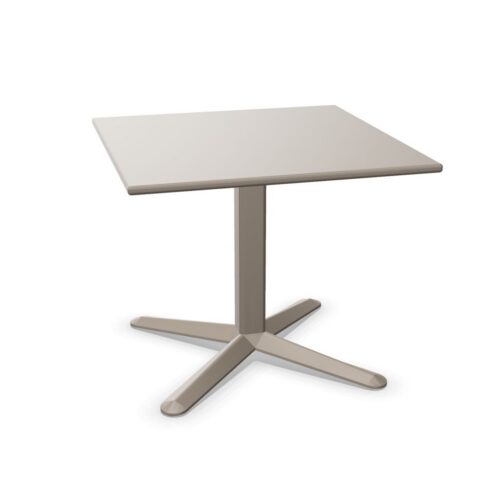
Position lounge furniture with round tops and silver bases
Begin with the seating arrangement rather than placing the table at the geometric center of the room. In a conversation group, the useful center is defined by the people who will use the surface. Review the relationship between each seat and the circular perimeter. If a sofa occupies one side and separate chairs occupy another, equal visual spacing may not create an equally clear relationship for every user. Adjust the placement according to the intended use, then examine the routes around the complete group. A round top can sit within many arrangements, but each still needs its own planning logic.
Evaluate the silver base in context
When comparing lounge furniture with round tops and silver bases, consider how much of the base is visible beside and beneath the seating. The silver description is a visual reference, not evidence of a particular underlying material or degree of reflectivity. Assess the actual appearance alongside nearby furniture details and under the room's lighting. Look from the entrance and from occupied positions. If other silver elements are present, compare their visual relationship directly rather than assuming they will match. A consistent approach to visible details can connect the group without requiring every element to be identical.
Keep a circular perimeter connected to use
Decide which parts of the top need to remain available during a typical conversation. Decorative objects, personal belongings, and refreshments can compete for the same shared surface. Establish the intended balance before organizing the seating around it. Where several people use the table, consider the relationship of each seat to the perimeter and center. The absence of corners does not establish equal access from every position. Seating placement, the table's location, and the individual base configuration all contribute to that relationship. Review them together before judging the suitability of the round outline.
