






White Upholstered Sofas in Reception Spaces

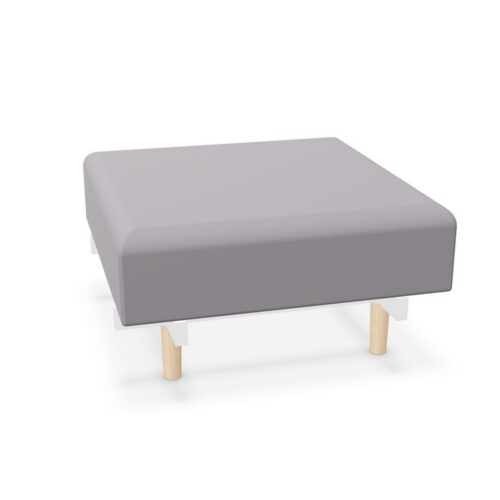
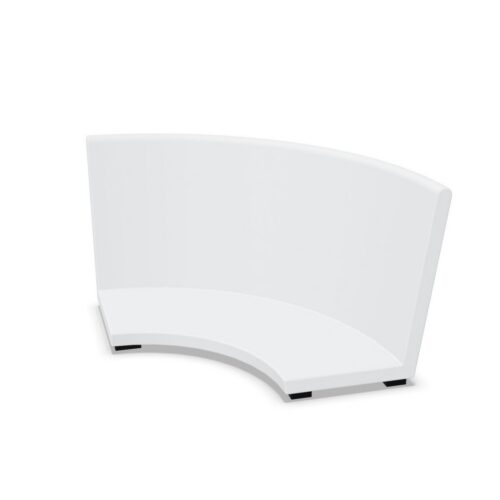
White upholstered sofas introduce a light seating element into reception areas and shared workplace lounges. Their relationship with nearby whites, darker surfaces and the room lighting deserves close attention. A sofa that appears distinct against one wall may blend more closely with another. Begin by deciding whether the seating should form a clear focal point or contribute to a quieter composition of similar tones. That intention provides a useful basis for comparing the complete furniture outline.

Assess white upholstered sofas in the context of the room rather than against an isolated color reference. Look at the upholstery beside the wall, floor and neighboring furniture under the lighting normally used. Include the entrance view and the view from adjacent seats. A considered comparison brings together tonal relationships, placement and everyday use, while leaving upholstery composition and care requirements to a separate review of the individual sofa.

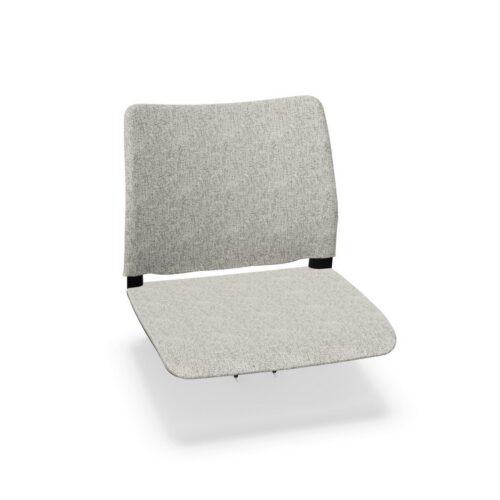
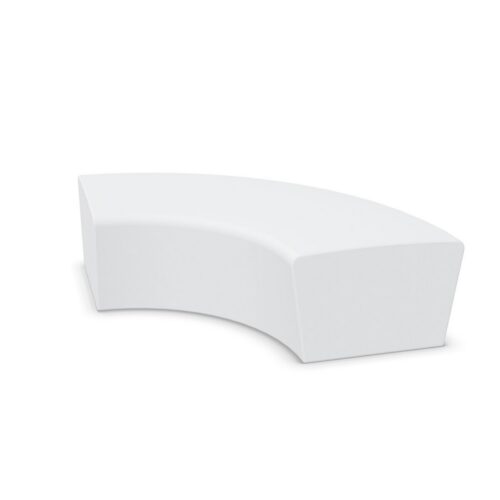
2 models
From $68.88 p/m
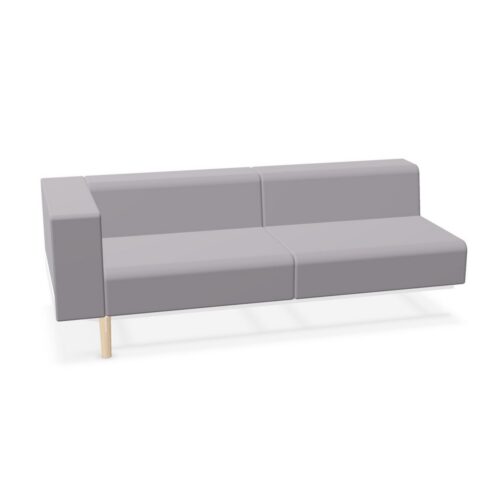
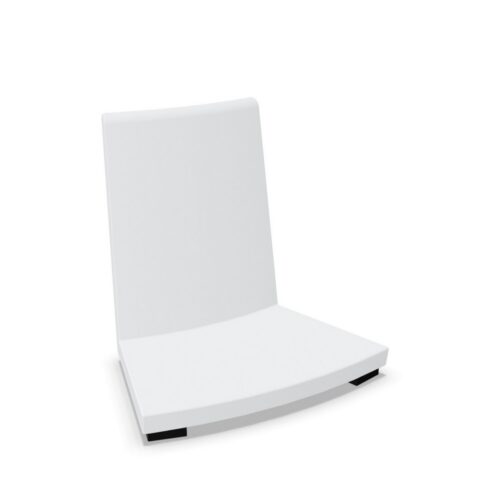
2 models
From $22.18 p/m
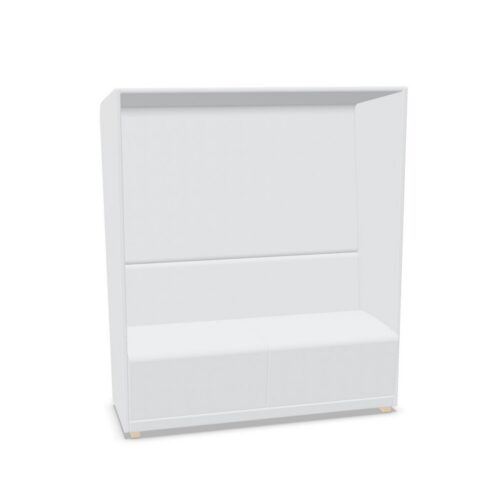
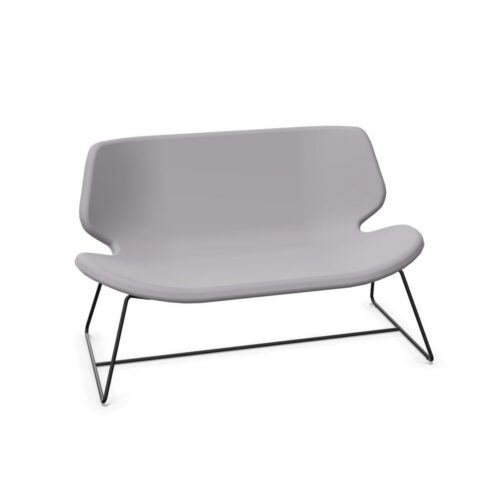
5 models
From $15.83 p/m
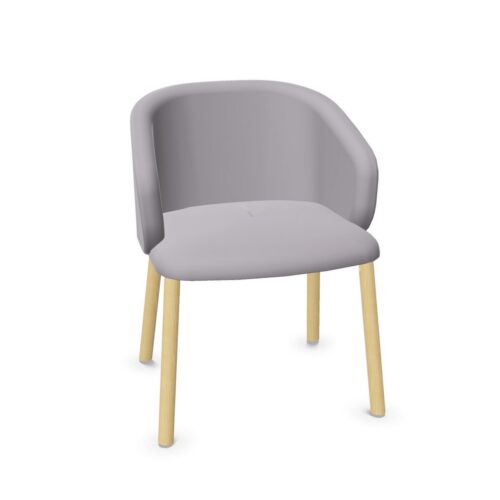
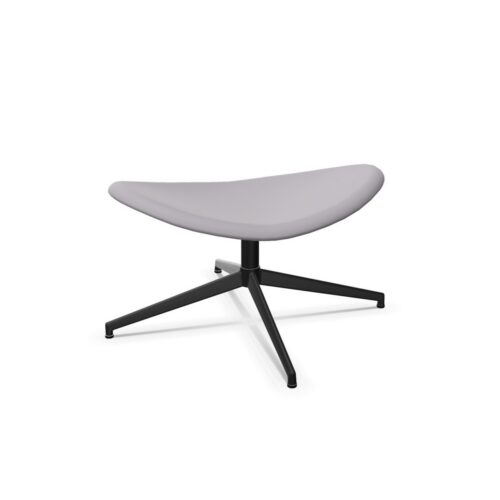
2 models
From $58.73 p/m
$9.18 p/m

Comparing white upholstered sofas in context

Start by identifying the light tones already present in the reception area. White walls, pale surroundings and bright lighting can each affect how a white sofa appears. Compare those relationships together rather than treating every light element as an exact match.

When reviewing white upholstered sofas, note whether the upholstery appears warmer, cooler or more neutral beside its immediate background. A small difference can become more noticeable across a larger seating outline. Decide whether that difference contributes to the intended palette, then review it from the entrance and from the places where people will spend time.

Use contrast to clarify the seating outline

A white sofa can be visually distinct against a darker background or more closely integrated with a pale setting. Consider which result supports the room. A visitor lounge may need a clearly recognizable seating group, while another space may call for a more continuous tonal arrangement.

With white upholstered sofas, check the boundary against the floor as well as the wall. The upper and lower outlines may have different levels of contrast. Review the sofa from the main route to understand how those boundaries work together. Use placement and surrounding colors deliberately rather than relying on white upholstery alone to organize the room.

Account for different lighting conditions

Compare the proposed white tone under daylight and the artificial lighting used during working hours. Include the intended location, since the same upholstery may appear different near an opening and farther into the room. Review the surrounding colors at the same time.

Look across the full visible surface and from more than one direction. The useful question is whether the color relationship remains suitable as the lighting changes. If the room has several seating zones, assess each zone individually before assuming the same appearance throughout. Record the intended white tone clearly so that later palette decisions have a consistent reference.

Connect color decisions with daily use

White upholstered sofas should be assessed within the activity planned for the lounge. Map where visitors arrive, where they wait and how they move onward. Use that map to position the seating before refining nearby color accents or decorative elements.

Review care information separately from the visual decision. A white color description does not establish how the upholstery should be maintained. Bring the relevant requirements into the comparison without making assumptions from appearance. The final arrangement should combine a suitable tonal relationship with a clear seating orientation and an understandable route through the room. Review these relationships with the seats occupied in the plan.

Frequently Asked Questions

Will white upholstery match existing white walls?

White upholstered sofas may differ in tone from nearby white surfaces. Compare them together under the room lighting, including daylight where relevant. Decide whether the difference is intentional and suitable instead of assuming that the shared color name guarantees a match.

How can a pale seating group remain clearly defined?

Review the sofa outline against its immediate background and the floor. Placement, neighboring colors and the spacing between furniture can clarify the group. Assess the entrance view to see whether visitors can understand where the lounge area begins.

What should be checked before confirming a white tone?

Check its relationship with existing light colors, its appearance under normal lighting and the individual upholstery care information. Keep those questions separate so that a successful visual match does not substitute for reviewing the requirements of daily use.

Explore related selections