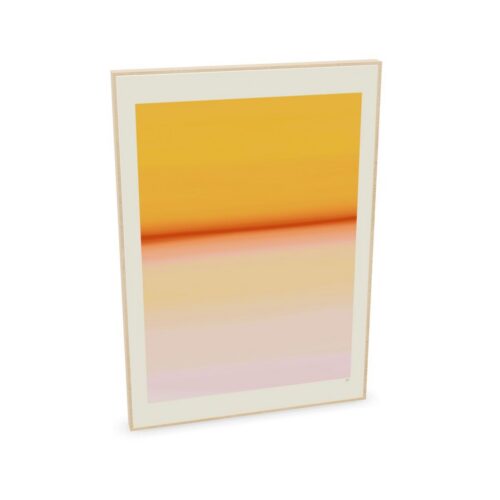
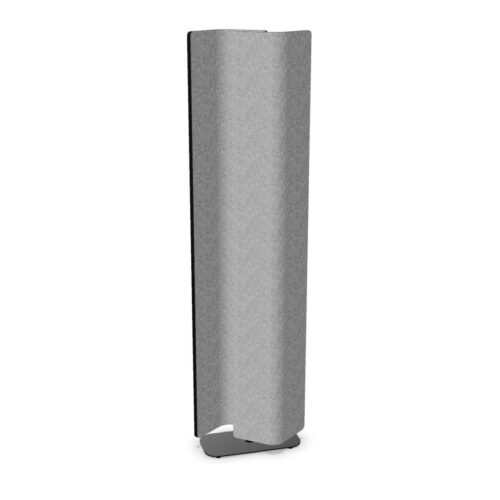
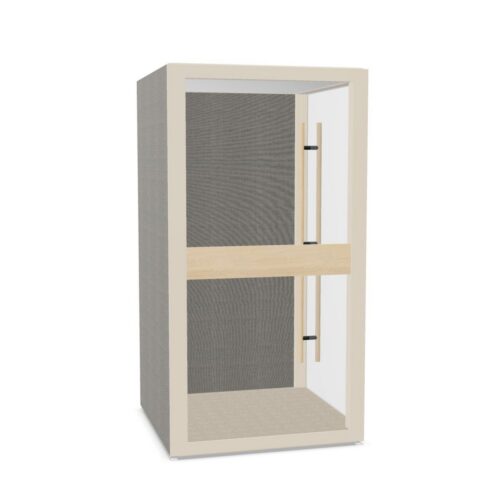
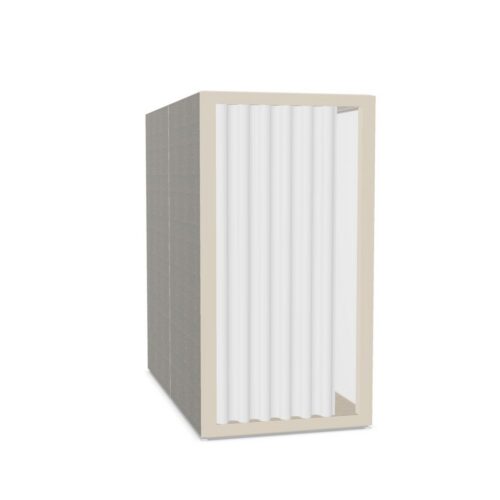
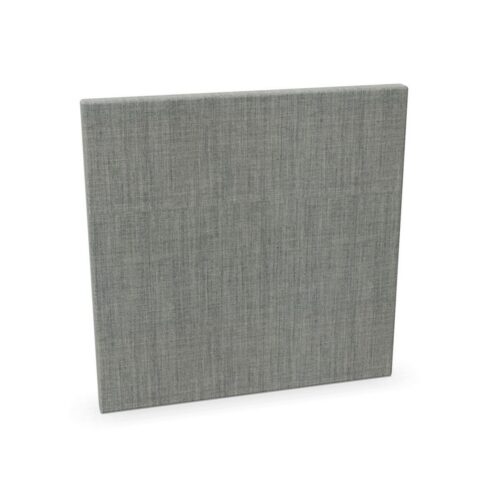
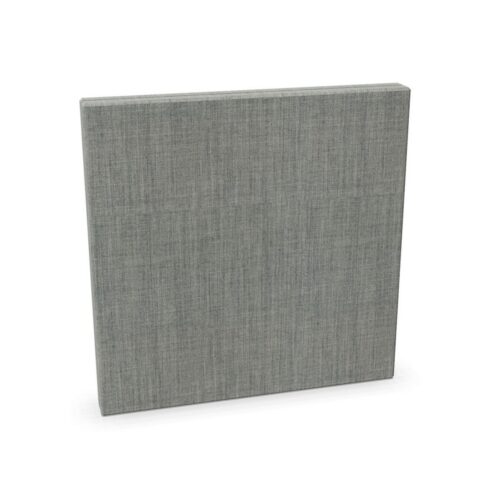
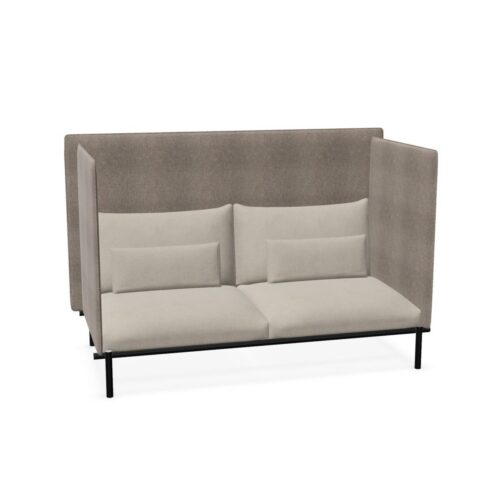
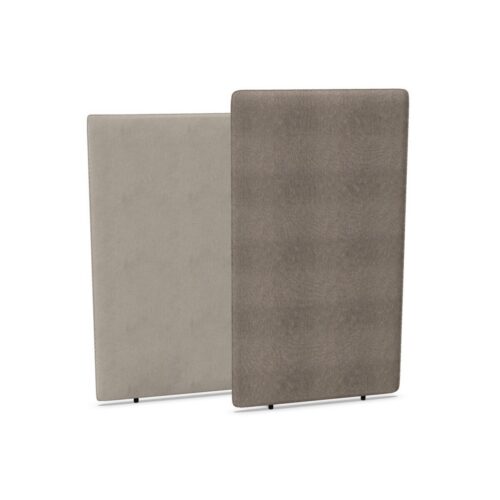
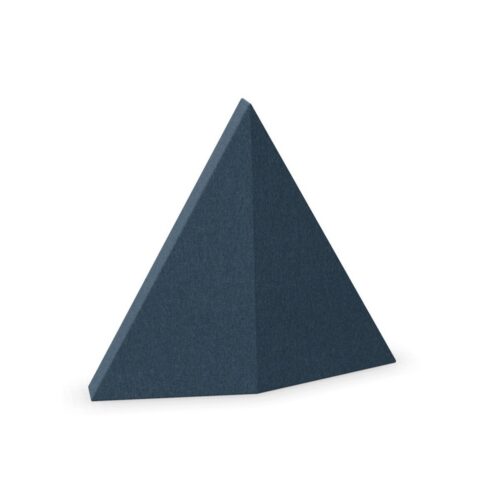
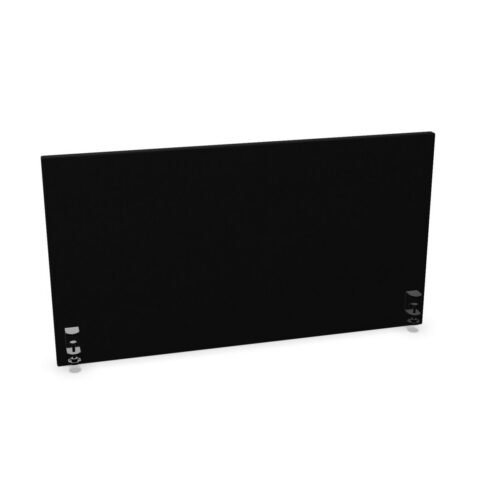
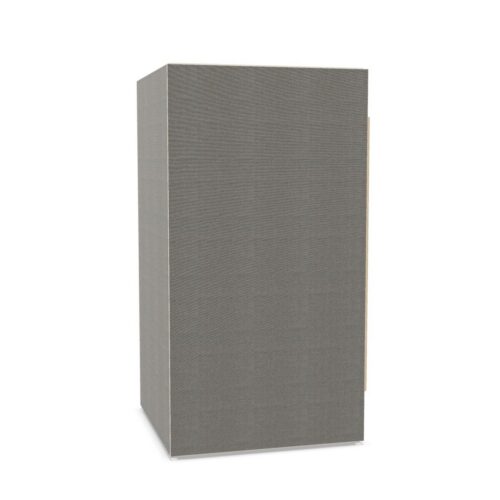
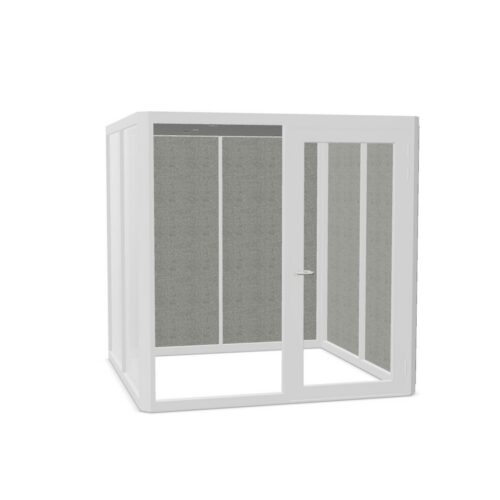
Beige office furniture appears across more than desks and chairs. The product range includes acoustic screens, room dividers, cabinets and accessories, so the color may appear on a fabric cover, a storage front or a smaller fitting. Begin by identifying which component is beige in each product. That matters when several items are brought into one workplace plan: a beige upholstery panel and a beige cabinet finish can look different even when the color label is the same.
Use acoustic elements to define work zones
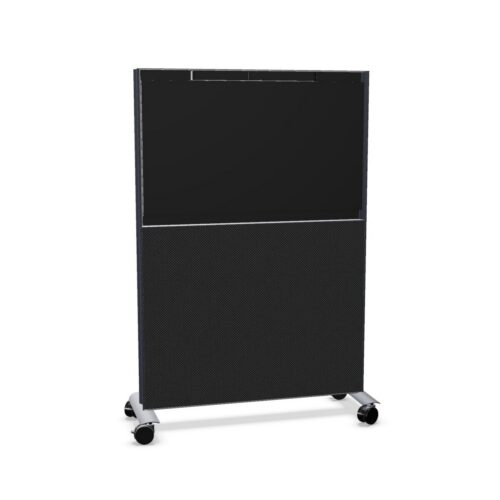
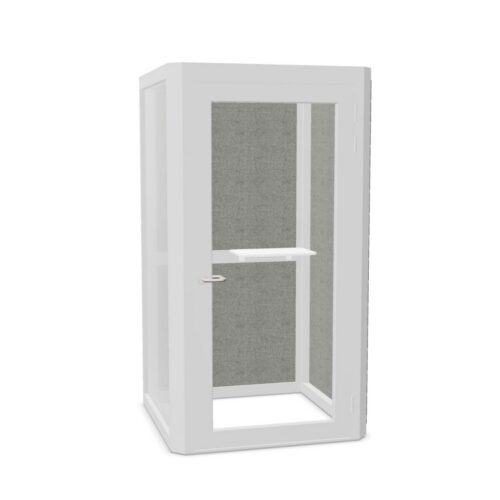
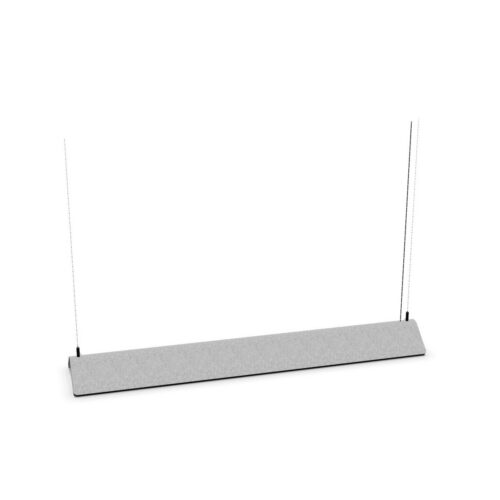
Desk screens and freestanding dividers can give an open office more legible areas. In a beige scheme, a fabric-covered screen may recede against light walls or provide a soft boundary beside darker desks. Consider the view from both sides and the purpose of the screen. A desk-level panel addresses a local workstation; a floor-standing divider changes the larger room layout.
Beige office furniture in acoustic categories should be selected for more than its color. Check the screen’s height, construction and mounting method. Place it where it supports the intended activity without blocking communication or light. Review the selected product’s performance information if sound control is important. Color can connect the pieces visually, but function determines where they belong.
Make storage practical first
Cabinets occupy a large share of the visible wall area in many offices. A beige cabinet front can create a quieter backdrop for workstations, but its doors still need room to open. Decide what will be stored and who will use it before choosing size and position. A frequently used cabinet belongs near its users; a large shared unit should not interrupt chair movement.
Beige office furniture includes storage in different materials and constructions. Do not assume a beige finish tells you whether the unit is metal, laminate or another surface. Check the exact specification and compare a finish sample with the floor and wall materials. The way light falls on vertical cabinet fronts can make them appear different from horizontal desk surfaces.
Coordinate accessories without clutter
Accessories may carry the same color on cable parts, organizers or other small components. They can help connect a scheme, but each should solve a particular need. Plan power and cable routes, storage for everyday tools and access for maintenance. A color match is useful only when the accessory fits the desk or cabinet it is meant to support.
In beige office furniture, small parts can either blend into the larger setting or provide a subtle contrast. Check whether an accessory will be seen against a beige surface or a darker frame. Keep the main working surface clear. A neat arrangement depends more on the placement of equipment and cords than on matching every visible detail.
Look at the room in its actual light
Beige can shift noticeably between warm and cool light. Bring samples into the room and compare them at different times of day. Place fabric beside cabinet finishes and nearby flooring. A single label may cover finishes with different texture and sheen. If several beige products sit close together, decide whether they should match closely or whether a deliberate range of tones is preferable.
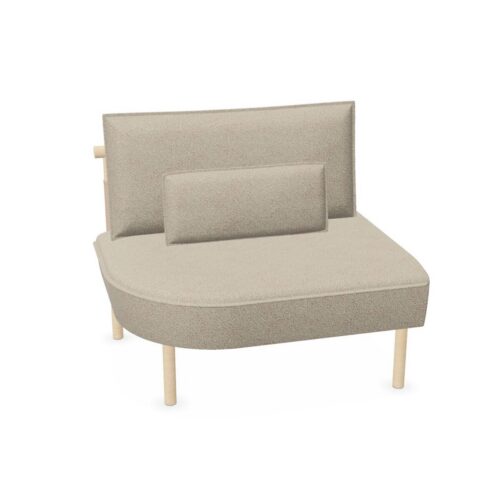
Beige office furniture can also be paired with wood-look surfaces, metal frames or stronger accent colors. Keep those decisions tied to the activity in each zone. A calm desk area may use beige on screens and storage; a more social area might use it on seating. Verify where the beige color actually appears on each selected product.
Review the complete layout
Draw screens, cabinets and desks with people in place. Check sight lines, cabinet access and the path through the room. A color plan can look coherent in a sample board yet create a crowded workspace if the furniture positions are not resolved. Confirm mounting, finish and care details for each item before final placement.
Beige office furniture is most useful as a way to bring different work components into a related visual scheme. Start with the role of each screen, cabinet or accessory, then compare their actual beige surfaces together. This keeps the color consistent with a room that remains comfortable and practical to use.
- Reset all
- Beige