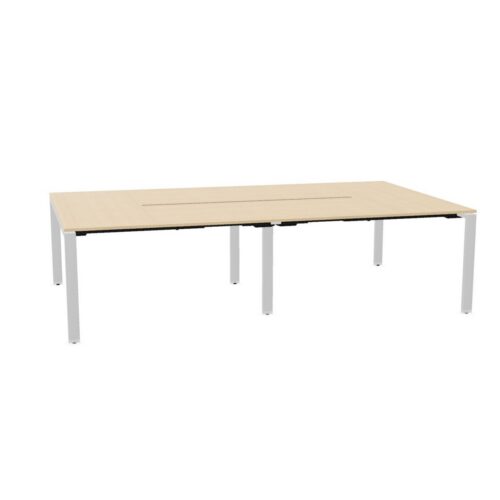
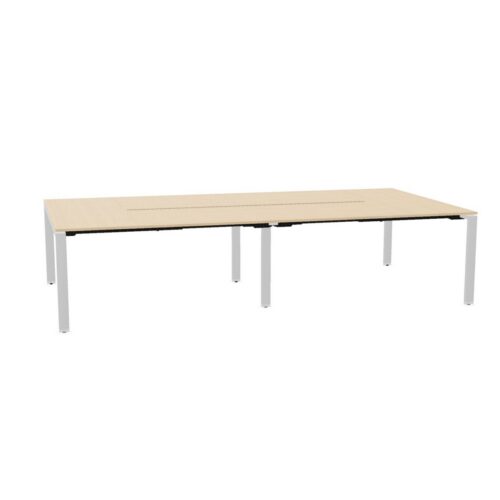
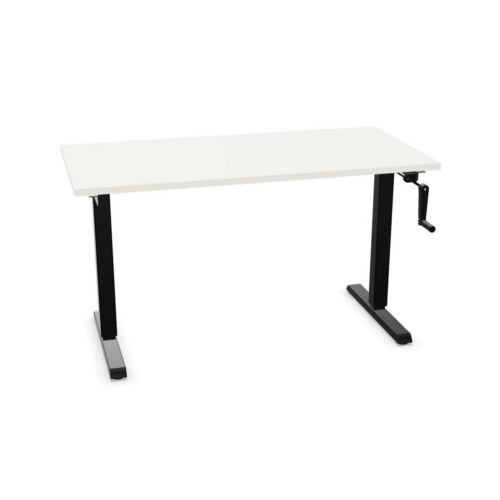
White desk and table surfaces appear across individual desks, bench workstations and conference tables. A white top can make a room feel open and can give equipment a clear background, but material and lighting change how it behaves. Plan where screens, papers and cables will sit before choosing the finish. The surface should support the task as well as the visual scheme. A white meeting top may help the room feel brighter, but users will notice scattered equipment and drink marks quickly. Decide where small items are stored between sessions and how the surface will be cleaned. In a busy office, that routine can matter as much as the original finish choice. Compare the top under evening lighting as well as daylight, particularly if the room is used for late meetings.
Test the top where the user sits
A white worktop may reflect daylight or task lighting toward the user. Place a finish sample at desk height in the intended location and view it from the chair. Adjust desk position or lighting if reflections interfere with screen work. White desk and table surfaces should also provide sufficient clear area for keyboard, documents and tools.
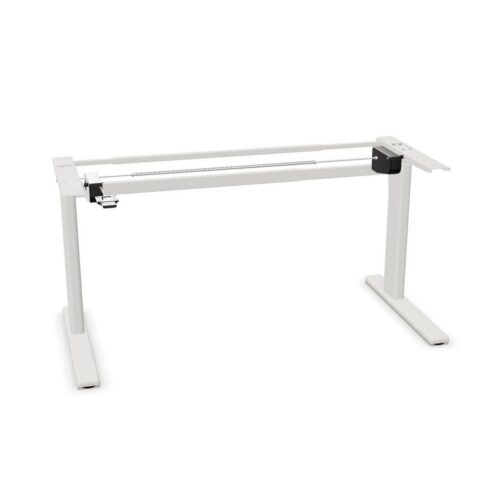
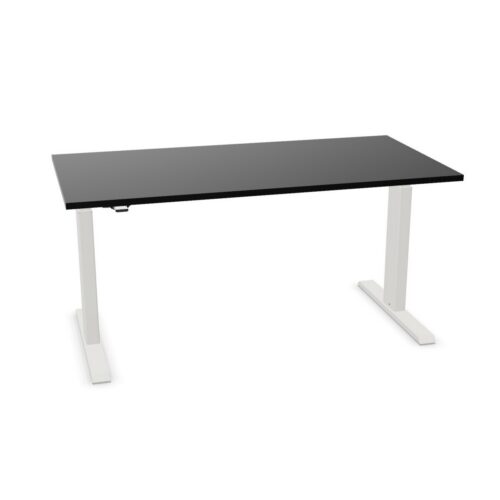
Fixed and height-adjustable desks can share the same surface color. Review the selected frame and adjustment details separately. Where a desk moves, ensure monitor and power cables can travel safely through the intended range. Keep the route away from legs, feet and chair wheels.
Consider the whole bench group
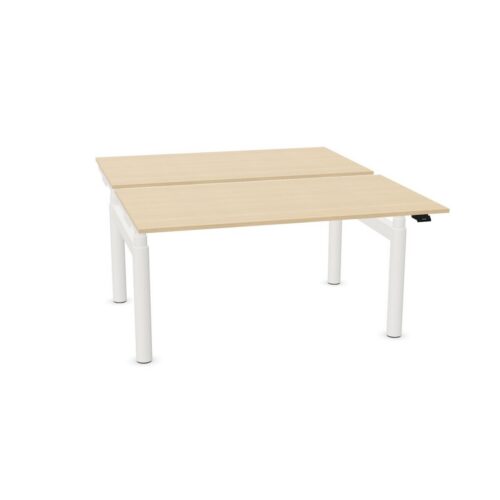
A row of white tops creates a large pale plane. This can make a dense work area feel ordered, but each user still needs a defined position. Draw all screens, chairs and personal items. Check where shared power enters and whether desk screens provide the right separation. A neat empty bench can become crowded quickly when occupied.
White desk and table surfaces may sit beside cable flaps, acoustic panels and frames in different materials. Compare those components together. Decide where contrast helps users see an outlet or the edge of a station. A monochrome look should not make everyday controls hard to find.
Set conference tables for interaction
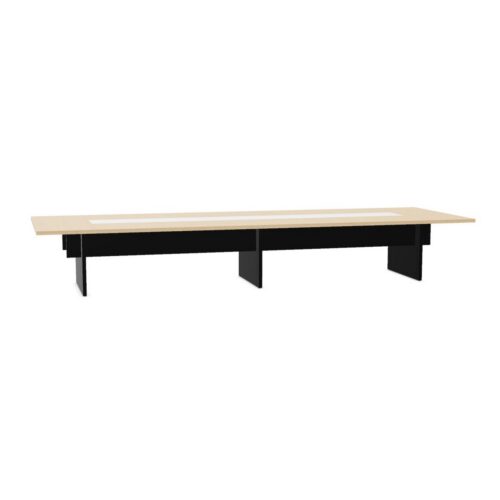
The shape of a meeting table influences how people face one another. A rectangular surface may suit a room with a presentation direction, while a round or oval top can support a different discussion pattern. White desk and table surfaces can work in any of these forms. Choose size and layout for the meeting, then refine the finish.
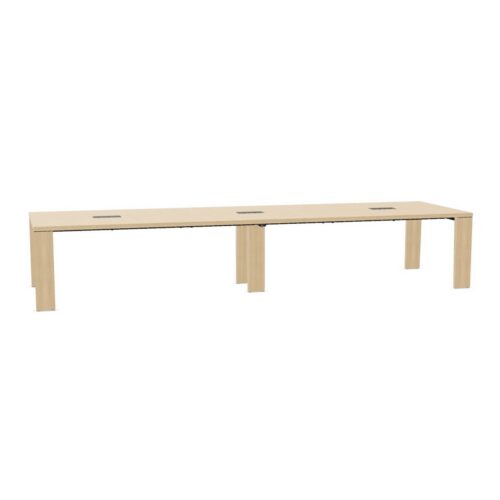
Check whether the selected table includes cable openings or compatible power accessories. If laptops are common, trace the connection path to the building. Keep the top clear enough for notes and conversation. A white surface may make cords and objects visually prominent, so thoughtful equipment placement matters.
Review material and care
White can appear on melamine, laminate or other top materials. Check the exact construction and care instructions. A busy shared table may show marks differently from an assigned desk, depending on the finish. Review edge details as well, especially where chairs or equipment are moved often.
White desk and table surfaces should be compared with nearby white cabinet fronts or screens in actual light. Different materials can make one white look warmer or cooler than another. A slight difference may be fine if the surfaces do not meet, while adjacent near-matches need closer attention.
Keep the room legible
A mostly white workspace may benefit from contrast at frames, chairs or storage to clarify boundaries. Decide where people need to recognize a meeting zone or shared resource. The top color can create continuity while other components establish the activity. Review the space from the entrance and from seated positions.
White desk and table surfaces are most effective when the shape, equipment plan and finish are considered together. Test the top under real lighting, verify material and maintenance needs, and place it with enough room for users. The result can feel light without sacrificing everyday function.
- Reset all
- White






Bralco


Bralco