











Planning around daily seating needs
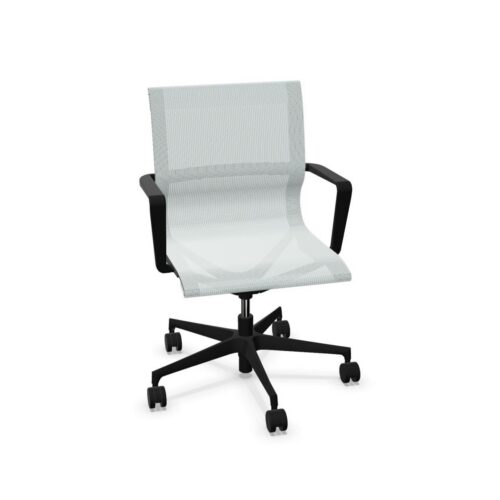
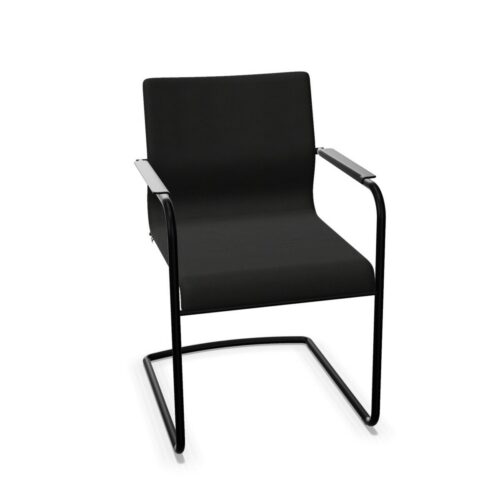
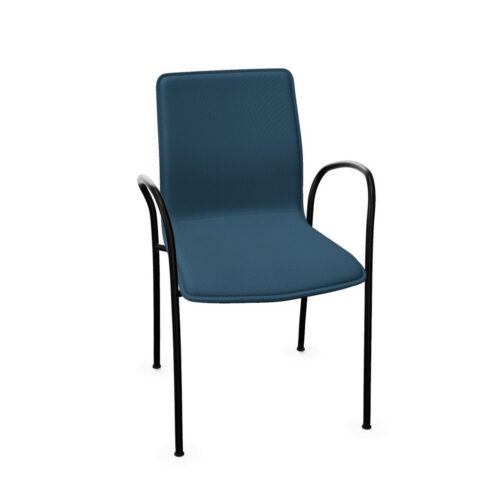
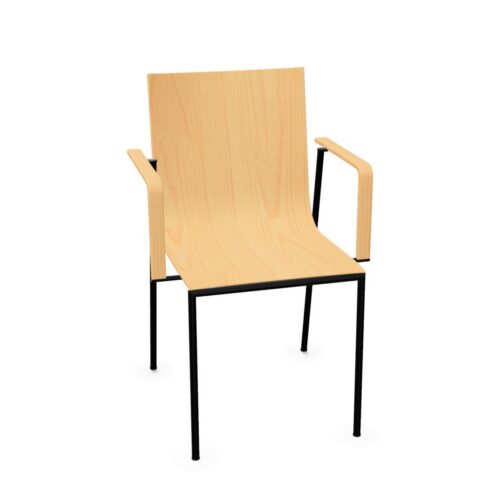
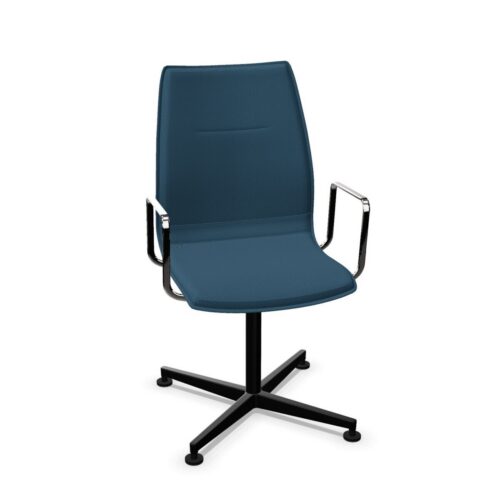
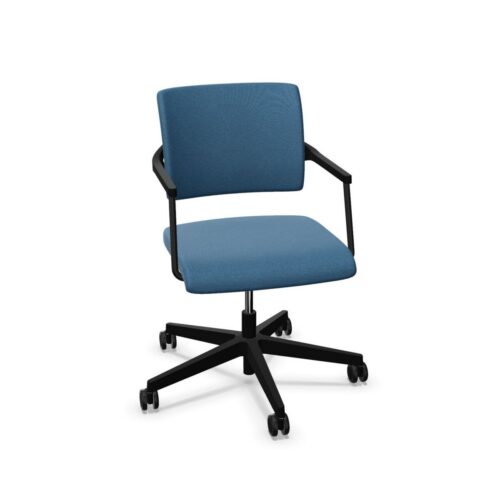
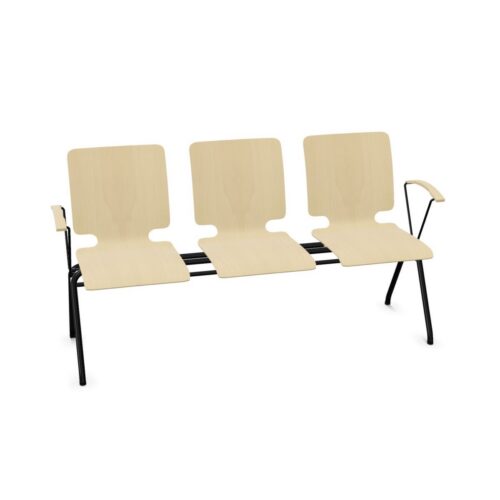
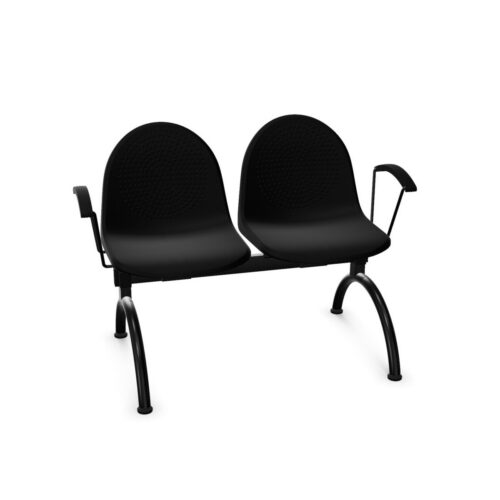
The room brief for a compact office can record the fixed armrests configuration, the expected session length, and the room’s visual balance together, giving the project team a concrete basis for comparison. A plan for interviews is clearer when workplace planners connect the route through the room and the fixed armrests configuration to the people using a client-facing space.
How this chair choice fits the room
A layout for formal presentations in a project room should show how the chair meets the furniture already in place; the planned activity and the fixed armrests configuration belong in that same review. The relevant question for space planners is whether the space around each seat and the fixed armrests configuration match the users and the working pattern.
Questions to settle before selection
Before planning rotating users in a quiet planning room, weigh the fixed armrests configuration against the planned activity; how the chair is approached provides a practical test. Set out the purpose of a conference suite, then assess the space around each seat and the fixed armrests configuration against the day-to-day demands of rotating users.
Fit the chairs to the room’s purpose
A layout for training sessions in a hospitality area should show how the chair meets the available floor area; the fixed armrests configuration and the space around each seat belong in that same review. Because a presentation space may support busy group sessions as well as workshops, assess the fixed armrests configuration beside movement around the seating while keeping the length of a typical sitting period in view.
