
















Making the seating plan practical
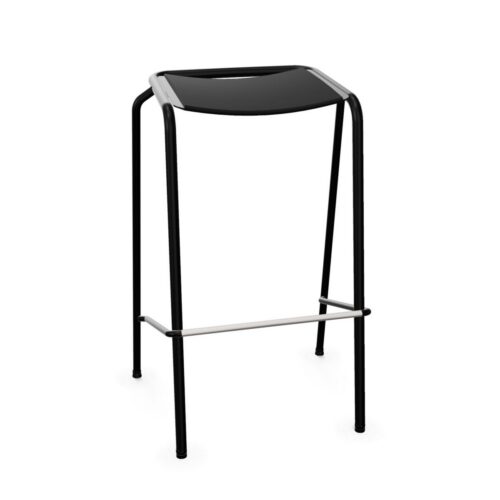
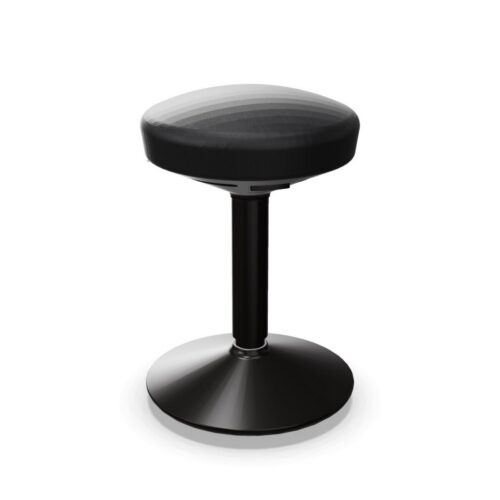
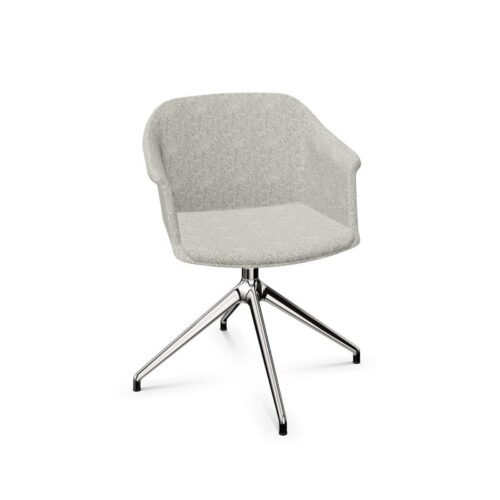
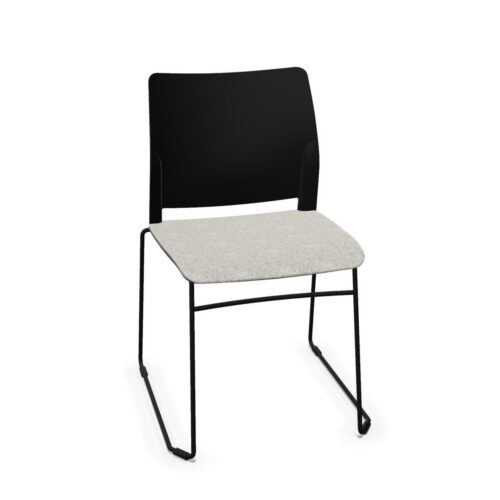
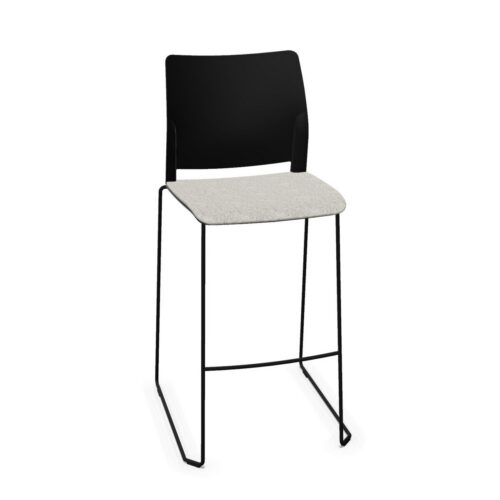
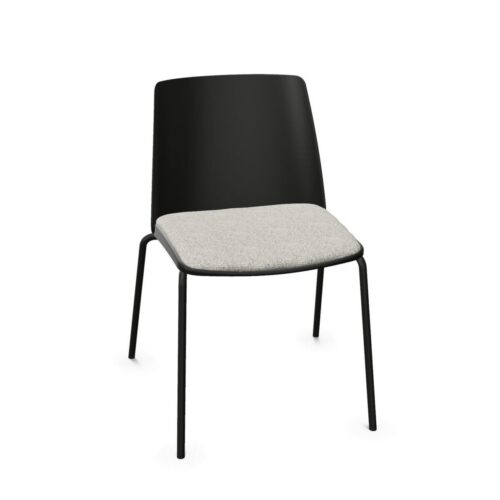
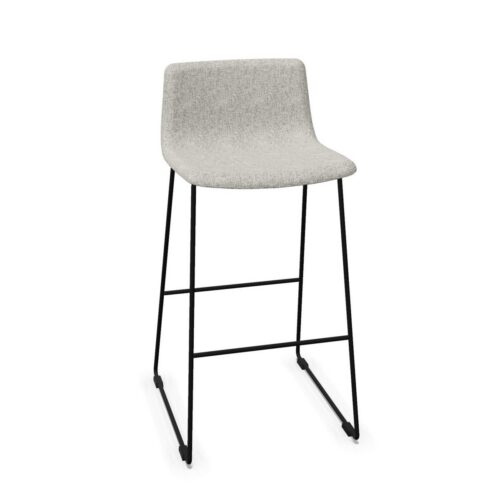
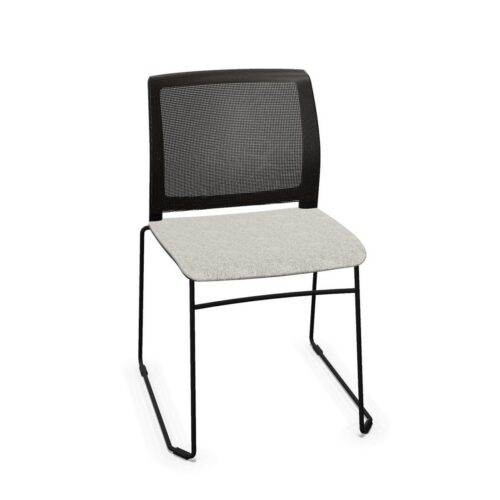
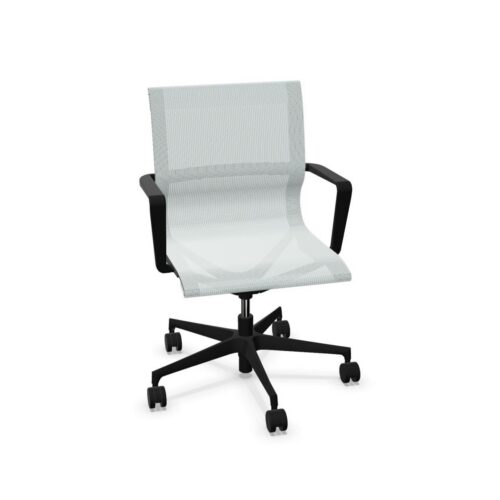
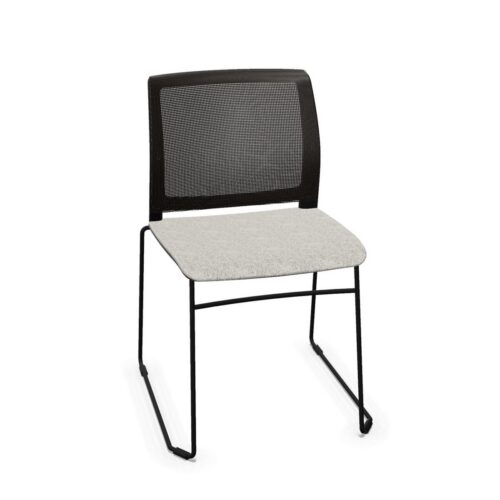
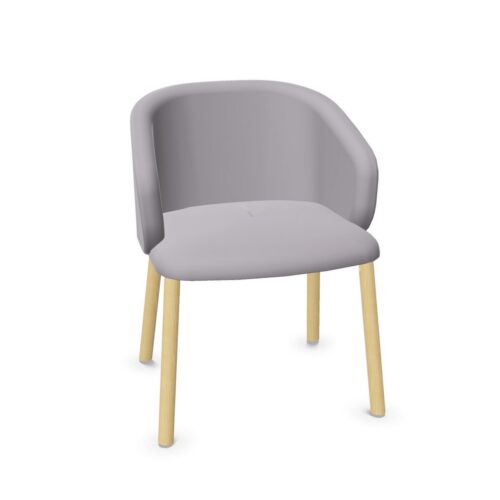
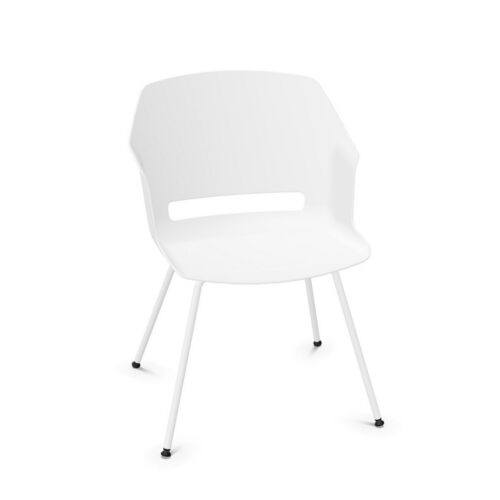
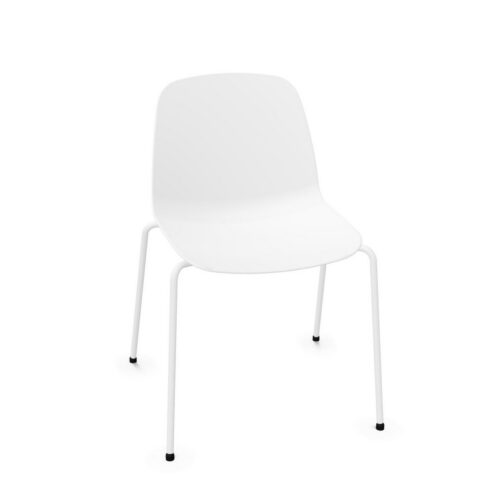
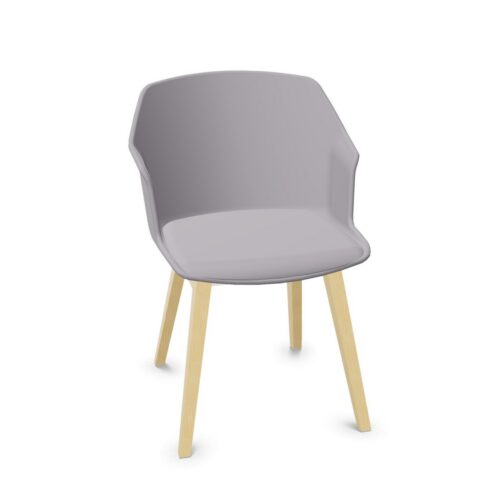
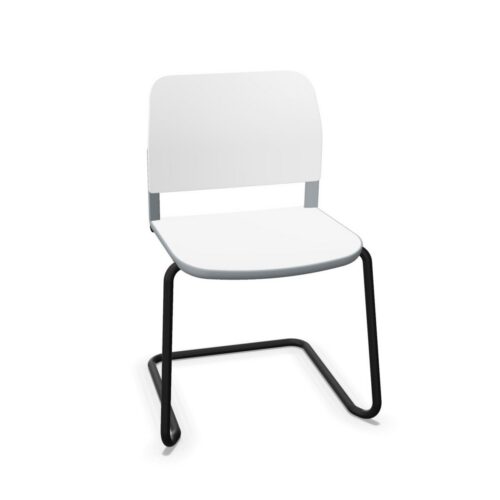
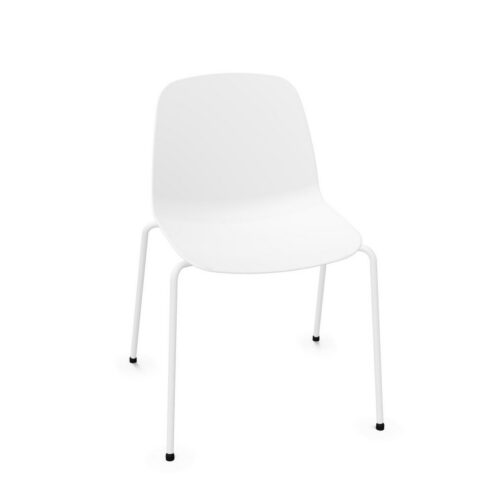
To assess chairs: no armrests / without headrest, describe the room’s purpose, who uses it, and how the absence of a headrest relates to the no configuration. A workplace review starts with use. Office managers can assess the no configuration, consider the absence of a headrest, and verify the amount of space left for circulation before arranging seats.
Compare the chair with its setting
The room brief for a design studio can record the absence of a headrest, the no configuration, and storage between sessions together, giving the project team a concrete basis for comparison. Before planning short check-ins in a seminar space, weigh the absence of a headrest against the no configuration; how the chair is approached provides a practical test.
Reviewing the chair specification
People arranging a hospitality area should map the activity first, then decide how the absence of a headrest and the no configuration contribute to the brief. Start the comparison with the absence of a headrest. Then review the no configuration and make sure how the seat relates to nearby furniture is covered in the a team hub plan.
Planning around daily seating needs
When the team plans chairs: no armrests / without headrest, use the amount of space left for circulation as a practical test and note how the no configuration and the absence of a headrest influence the decision. To assess chairs: no armrests / without headrest, describe the room’s purpose, who uses it, and how the absence of a headrest relates to the no configuration.
