











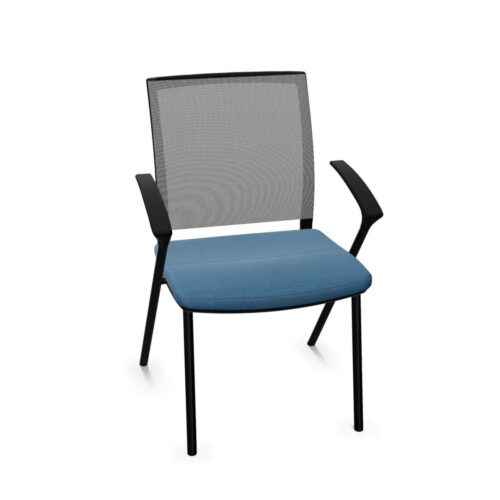

Fit the chairs to the room’s purpose
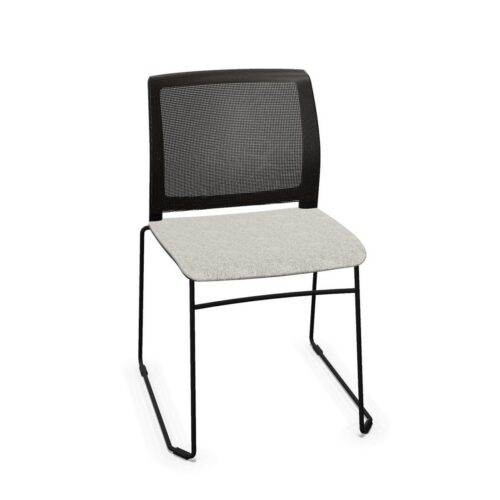
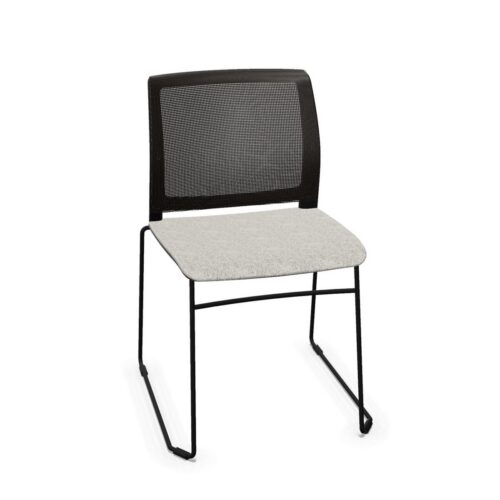
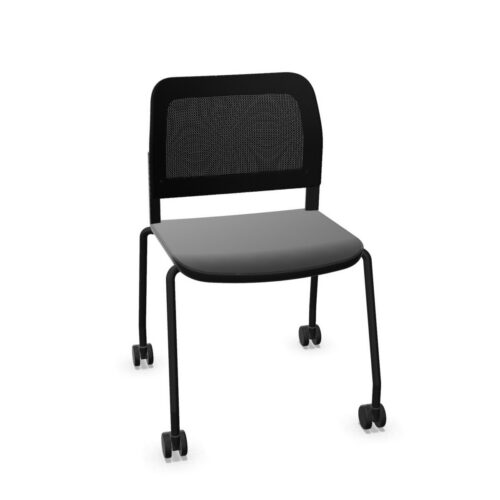
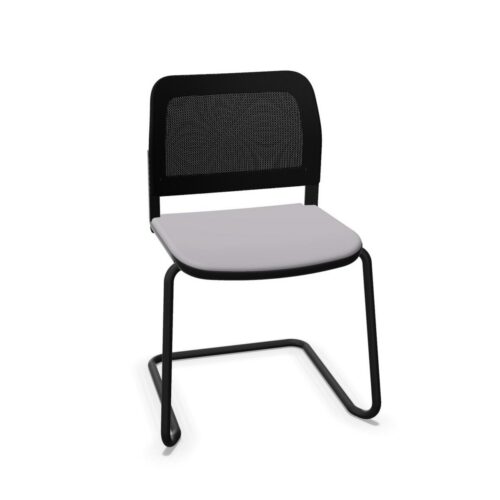
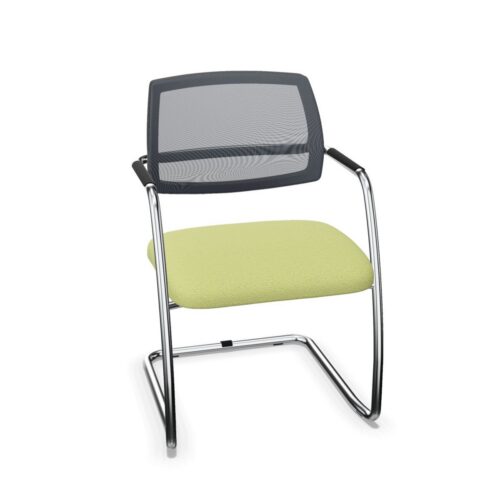
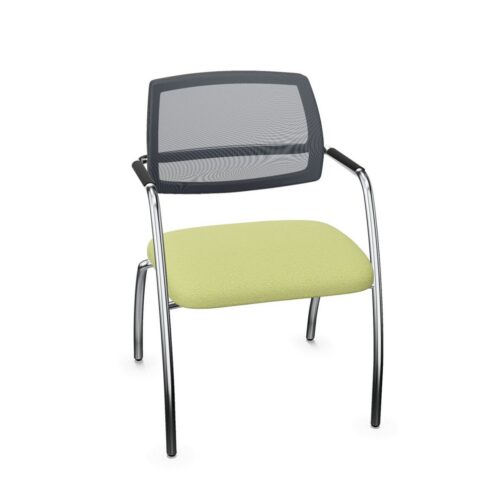
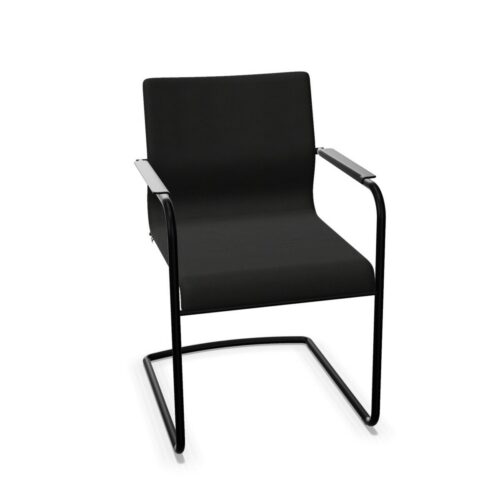
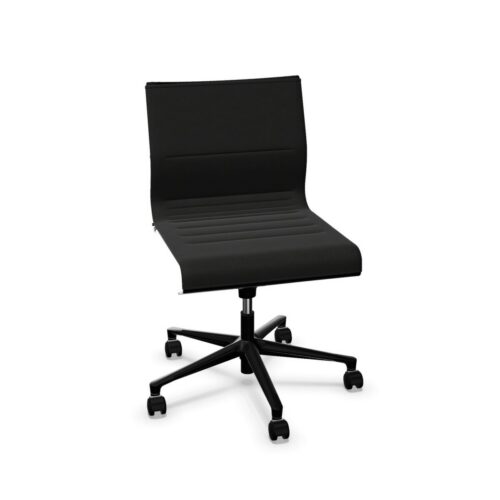
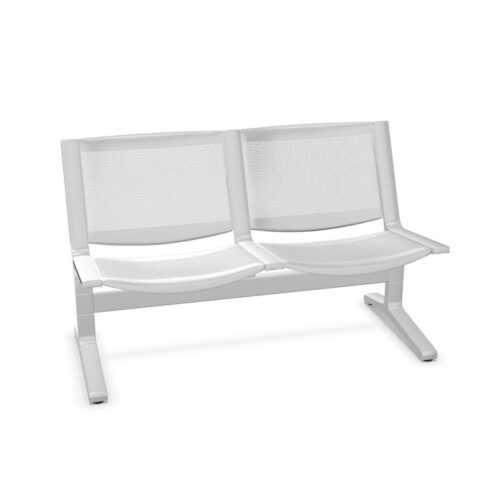
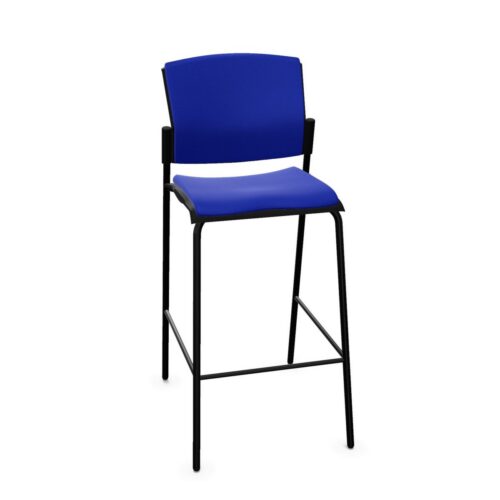
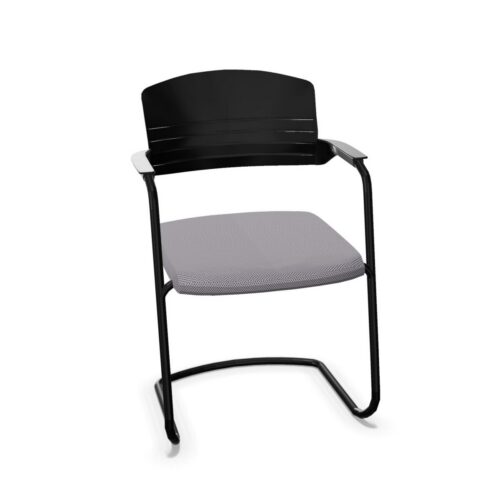
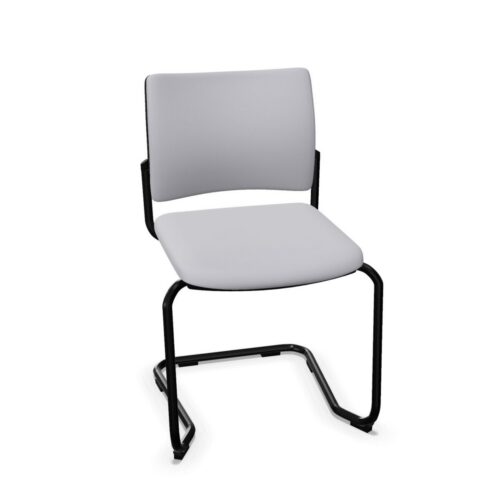
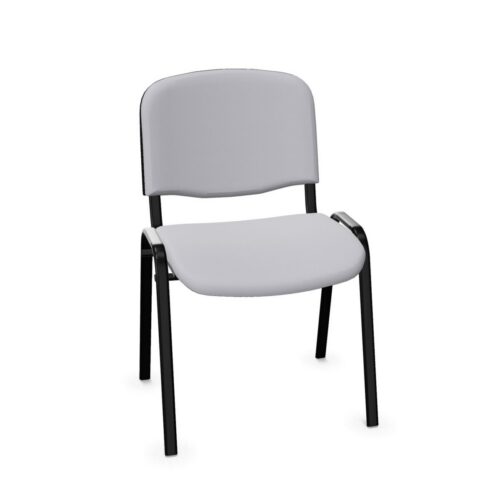
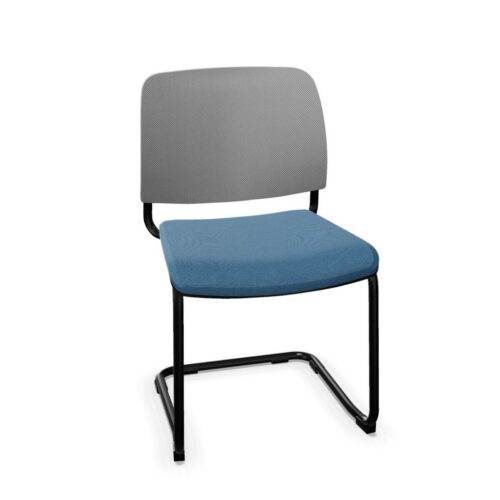
When longer discussions takes place, the layout when every seat is occupied can show whether the metal chair base material and the mesh upholstery specification fit the intended seating plan. The relevant question for meeting-room coordinators is whether the metal chair base material and the mesh upholstery specification match the users and the working pattern.
How this chair choice fits the room
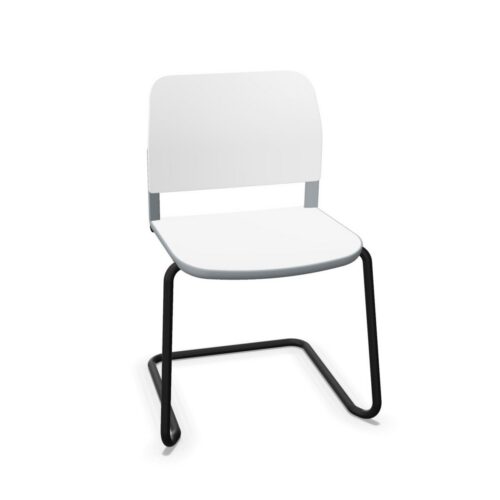
A workplace brief becomes clearer when interior project teams document aisle clearance, choose a relevant chair detail such as the metal chair base material, and connect it with the mesh upholstery specification. A useful note for meeting-room coordinators links the mesh upholstery specification to the metal chair base material and records how the room’s existing palette affects a design studio.
Reviewing the chair specification
A chair shortlist for a collaborative workspace should explain why the mesh upholstery specification matters, how the metal chair base material changes the choice, and what needs checking around the number of users who share the space. For a training area, team coordinators can begin with the mesh upholstery specification, then test the metal chair base material against how the seating reads across the room during informal conversations.
Making the seating plan practical
Use the room plan to compare the mesh upholstery specification and the metal chair base material; that gives office managers a practical basis for discussing the available floor area. For the planned workshops, check the chair’s relationship with the way the chair meets nearby furniture; include the mesh upholstery specification and the metal chair base material in the same review.
