

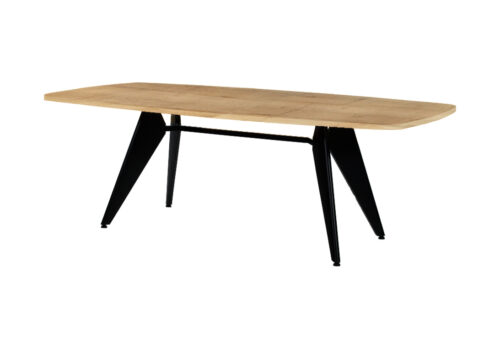
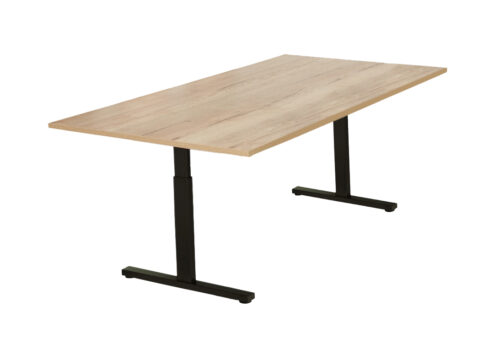
Straight Blade Tops for Meeting Spaces

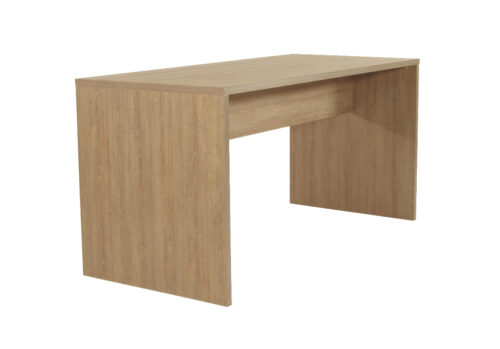
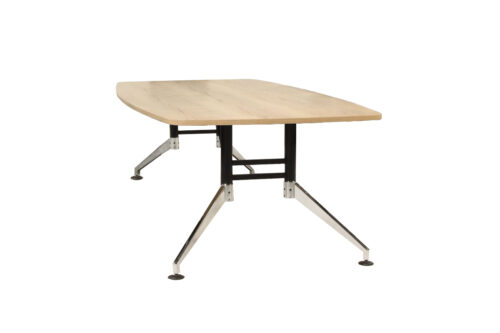
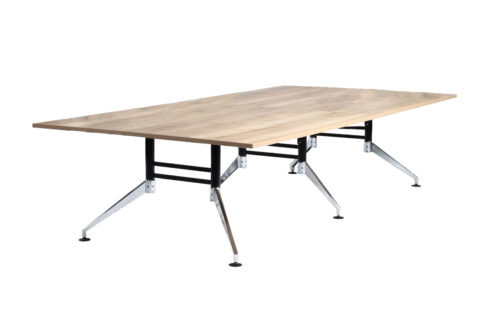
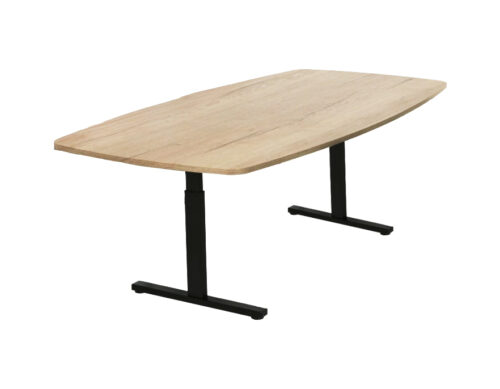
Conference tables with straight blade tops put the tabletop shape at the center of meeting-room planning. Begin by considering how the actual outline relates to the way people sit, share information and move around the table. The straight blade designation identifies the chosen top shape; it does not establish the supporting structure, color or other features. Those details should be assessed separately when they affect the room arrangement.

A useful comparison starts with the working pattern of the meeting. Some teams spend most of their time facing a display, while others need frequent eye contact across shared documents. Consider where chairs will sit along the tabletop and how participants will reach those positions. Review the shape in relation to doors, presentation areas and circulation, so the final arrangement supports the room’s purpose rather than simply following the nearest wall.

CHF 13.10 p/m
CHF 14.78 p/m
CHF 23.78 p/m
CHF 10.11 p/m
CHF 9.92 p/m
CHF 5.60 p/m

Read the Outline Against the Room

Look at the complete tabletop outline before planning the furniture arrangement. Consider which edges face the entrance, which relate to a display and which will be occupied during discussion. The shape name provides a starting point, but the actual relationship between the top and the room determines where it makes sense to place chairs.

Trace the proposed arrangement on the floor or a room plan. Include chair movement and the route around occupied positions. This reveals whether the table sits naturally within the space or creates an awkward approach that would be less apparent when looking only at the tabletop.

Seat Around Conference Tables With Straight Blade Tops

Chair positions should follow both the usable tabletop edge and the meeting's purpose. Consider where participants will rest documents, turn toward colleagues and enter or leave their places. Check the supporting structure as part of this review, since the top shape alone does not show where legs or feet can be positioned.

Conference tables with straight blade tops should be assessed with the intended seating. Look at the arrangement during use, with chairs occupied or pulled back, rather than relying on a neatly aligned empty-room view. Include access for a colleague joining after the meeting has begun.

Choose an Orientation for Shared Attention

A presentation-led arrangement needs a clear relationship between seated participants and the display. Walk through where people will look and how they will turn when attention shifts back to discussion. If a presenter moves between the screen and a seat, keep that route distinct from places occupied by other participants.

For document-led work, consider how shared papers will be placed and viewed. The straight blade shape should be judged in the orientation that supports those exchanges. Do not assume that aligning the tabletop with a wall automatically produces the most useful relationship between people, information and the rest of the room.

Test the Arrangement Through a Meeting

Conference tables with straight blade tops need to function throughout the meeting sequence. Start at the doorway, follow the approach to each seating position and consider where personal belongings will go. Then review how participants share information, move to present and leave while others remain seated.

Pay attention to the transition between the tabletop edge and surrounding circulation. An arrangement that looks orderly can still place a regularly used route behind an active chair position. Adjust orientation where necessary and reassess the complete setting. Shape is useful when it supports the actual meeting routine, including the movements that happen between formal discussion points.

Frequently Asked Questions

Does straight blade specify the table base?

No. It identifies the selected tabletop shape. Assess the supporting structure separately, particularly where it relates to chair placement, legroom and access to seating positions around the proposed meeting arrangement.

Should the table follow the longest wall?

Use the meeting activity and circulation pattern to decide orientation. Wall alignment may be convenient, but screen viewing, conversation and access to seats should guide whether that position works in the room.

How can alternative arrangements be compared?

Place conference tables with straight blade tops within a realistic room plan and walk through arrival, discussion and departure. Compare how each orientation handles chair movement, shared information and the routes used during a meeting.

Explore related selections