

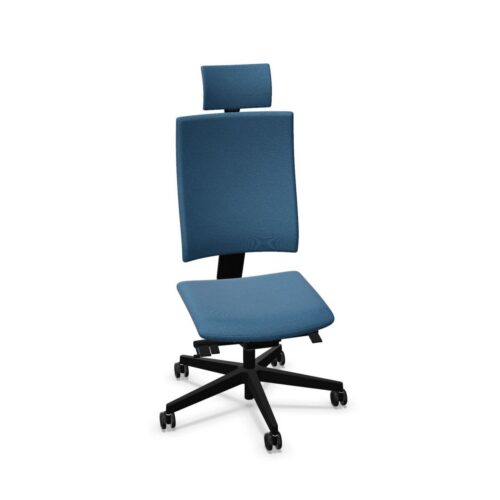
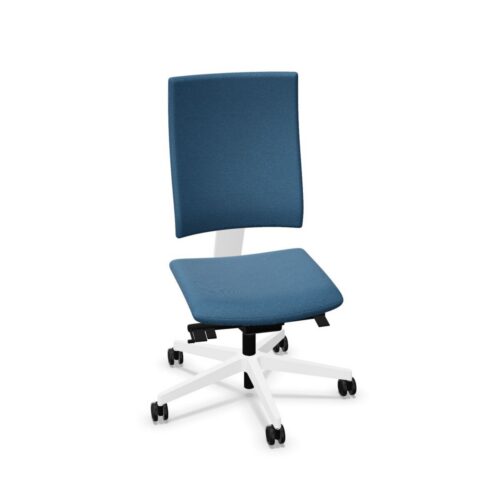
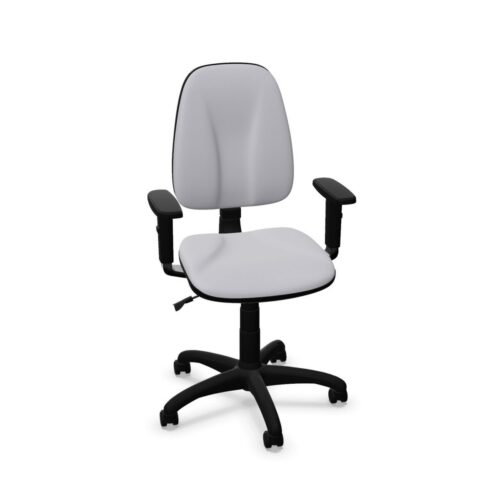
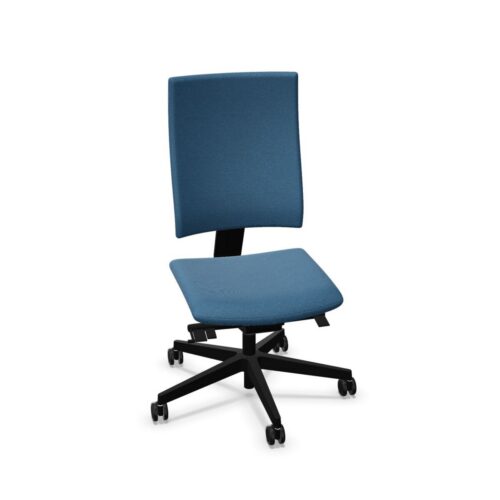
Office Chairs With Seat-Depth And Back-Height Adjustment

These office chairs combine adjustable seat depth with adjustable back height, allowing changes to both the usable seat length and the vertical position of the backrest. Seat depth adjustment helps you assess the space between the seat edge and the backs of your knees while sitting against the backrest. Back height adjustment lets you change where the backrest meets your back. Neither property establishes the amount of adjustment available, so the actual travel deserves attention alongside the overall shape.

For a shared workstation, office chairs with both adjustments provide more ways to accommodate differences in body proportions. At an individually assigned desk, the same combination allows a more detailed setup around one user. Compare the shortest and longest usable seat positions, then assess backrest contact at different heights. Check other requirements separately, including any seat height adjustment, arm configuration and compatibility with the desk.

CHF 10.29 p/m
CHF 12.36 p/m
10 models
From CHF 6.83 p/m
2 models
From CHF 13.86 p/m
6 models
From CHF 2.64 p/m
2 models
From CHF 11.73 p/m
6 models
From CHF 9.78 p/m
2 models
From CHF 1.93 p/m
3 models
From CHF 15.09 p/m
2 models
From CHF 10.09 p/m
8 models
From CHF 5.82 p/m
2 models
From CHF 2.28 p/m
5 models
From CHF 11.07 p/m
3 models
From CHF 1.93 p/m
3 models
From CHF 5.92 p/m
9 models
From CHF 2.19 p/m
6 models
From CHF 3.79 p/m
15 models
From CHF 7.65 p/m
4 models
From CHF 8.28 p/m
3 models
From CHF 2.56 p/m
3 models
From CHF 9.23 p/m
28 models
From CHF 10.76 p/m
2 models
From CHF 14.99 p/m

Coordinate Seat Length With Backrest Position

Office chairs with adjustable seat depth and back height offer two dimensions of fit, but useful results depend on how those settings work together. Begin by sitting fully against the backrest and assessing the seat edge relative to your knees. Explore the available depth positions without moving your body forward to compensate. Then move the backrest vertically and assess where its contours make contact. Revisit the seat setting afterward, because a different backrest position may change how you settle into the chair. The aim is a workable combination of positions, rather than simply using the full travel of either adjustment.

Assess Shared Desks Through Different Body Proportions

A shared desk may serve people whose upper legs and torso proportions differ considerably. Available movement in both areas gives each person more settings to explore, although it does not establish that every user will fit. Arrange a trial that includes the people expected to use the workstation, and ask each to reset both dimensions from a previous position. Observe whether the adjustments are understandable and accessible in normal use. Also consider how the chair sits beneath the desk and how much space remains behind it. These room checks matter even when the seated fit appears suitable during an isolated trial.

Distinguish Adjustable Travel From Overall Shape

Compared with office chairs that adjust only in depth, this combination also allows the backrest to move vertically. Compared with versions that adjust only in back height, it lets users alter usable seat length. Those differences expand the available setup options, but they do not describe seat width, backrest contour or the feel of the seat edge. A chair with extensive movement can still have an unsuitable basic shape for a particular user. Assess the surfaces as well as their positions, and avoid treating the presence of both adjustments as a complete description of comfort or suitability for prolonged desk work.

Record Both Adjustment Ranges Before Specifying

When specifying office chairs with adjustable seat depth and back height, request clear information about the usable positions of each feature. Establish whether the stated depth describes the seating surface available to the user, and check how backrest height is measured. Confirm how settings are changed and retained through an actual demonstration where possible. Record other necessary properties separately, since these two selections establish nothing about armrests, tilt, seat height or the base. For a consistent workplace assessment, use the same desk arrangement and tasks when comparing candidates. This makes differences in fit easier to identify without relying on appearance alone.

Questions About Coordinating Both Adjustments

Will both adjustments accommodate every desk user?

No. These office chairs provide movement in two relevant dimensions, but their usable ranges and underlying proportions still set limits. Have intended users assess the shortest and longest seat positions and several backrest heights. Include the actual desk arrangement before deciding whether the available settings are sufficient.

Does adjustable back height mean adjustable lumbar support?

Back height adjustment moves the backrest vertically. It does not establish the presence of a separate lumbar adjustment or a particular backrest contour. Check the shape and contact points directly, and verify any additional support feature in the individual specification if it matters to the intended setup.

Which setting should be checked first?

A practical starting point is seat depth while sitting against the backrest, followed by backrest height. Then reassess both together during a normal desk task. Office chairs vary in shape and adjustment operation, so use any supplied setup instructions and allow for a second pass through the settings.

Explore related selections