



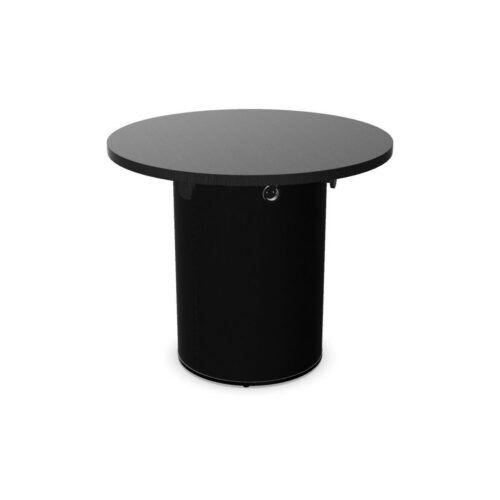
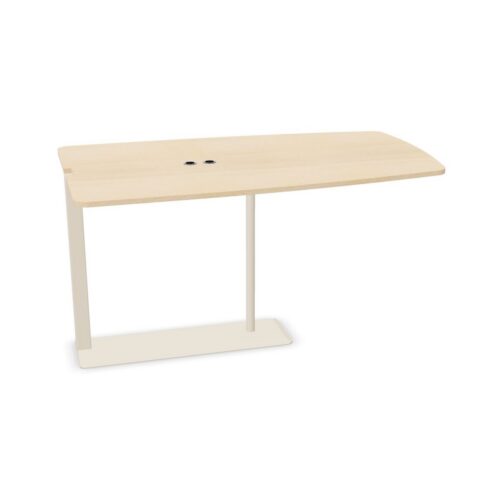
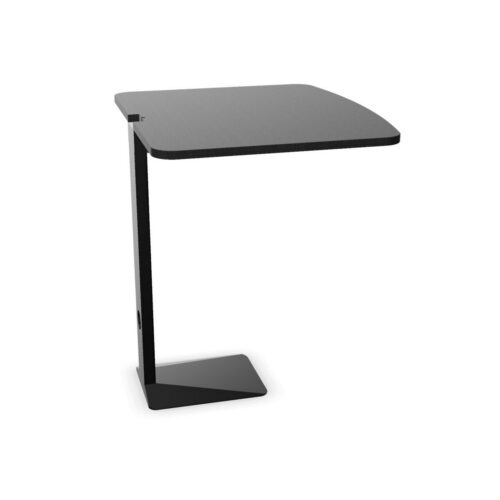
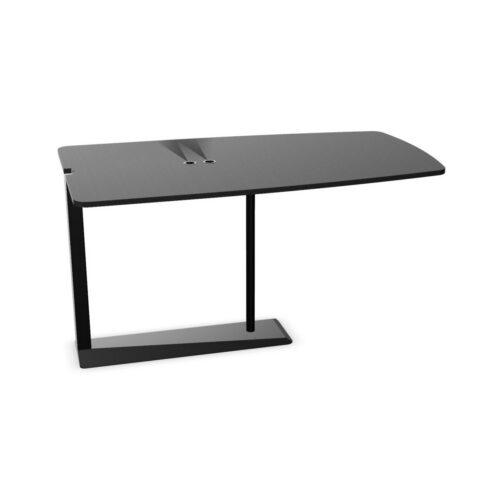


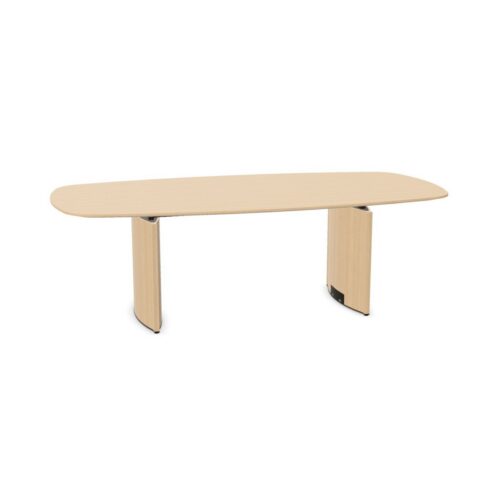


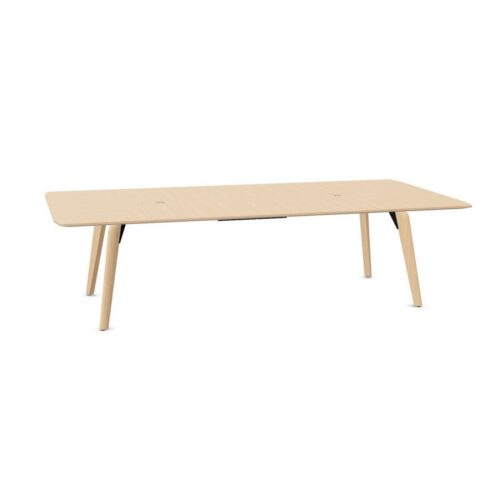

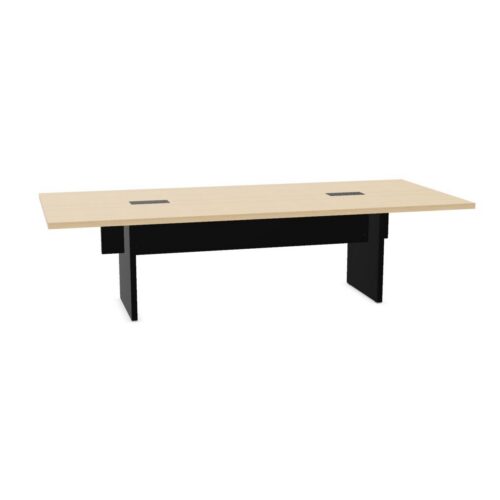
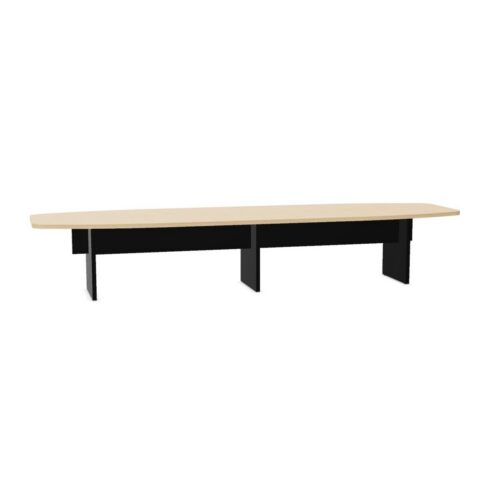
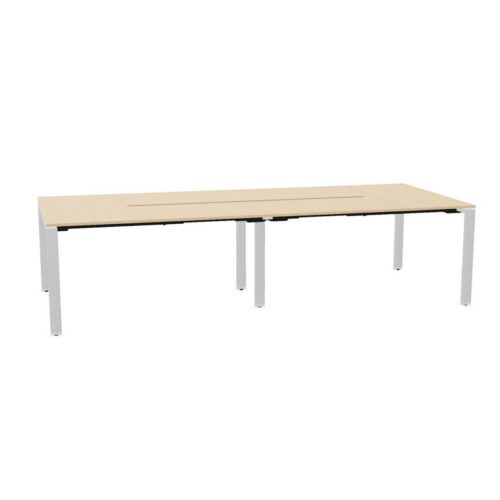


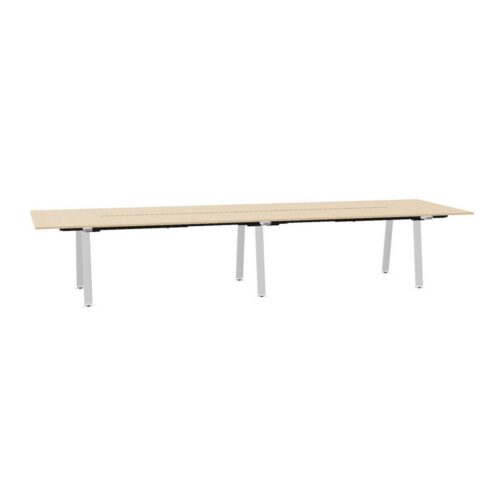
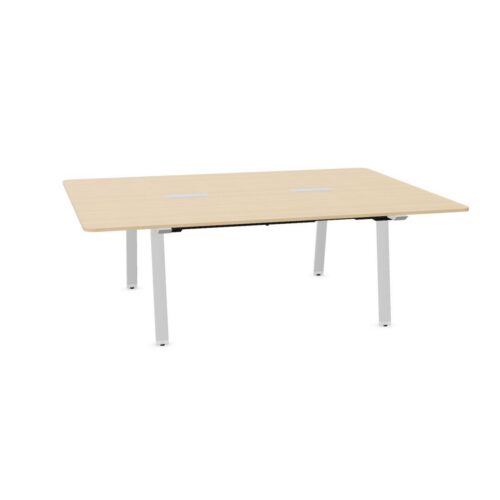

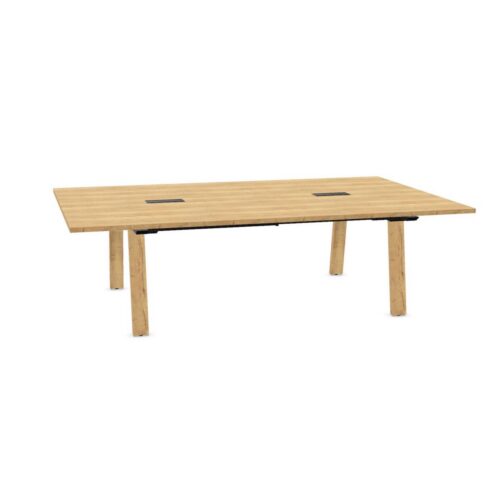

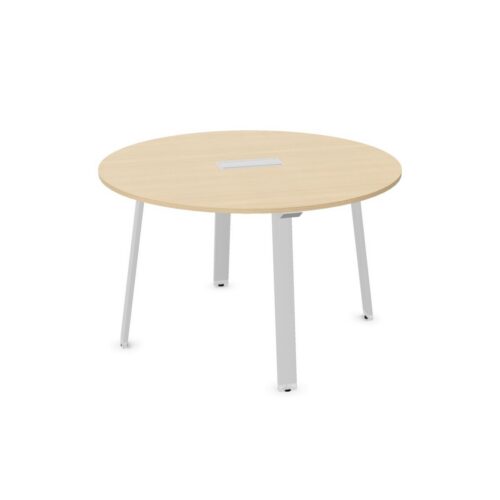
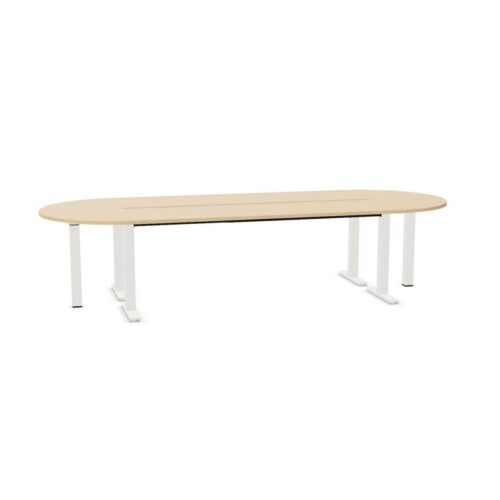


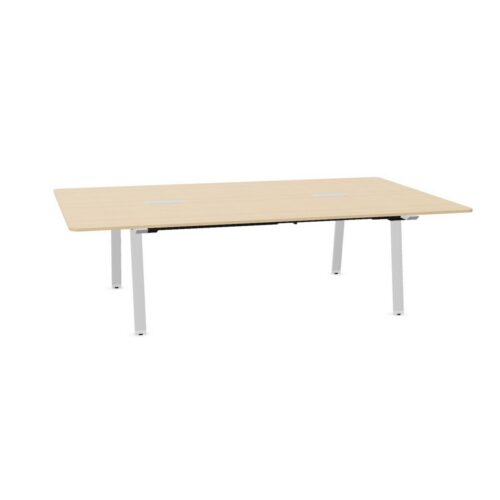
Conference Tables With Melamine Tops Without Trays
Begin with a record of the devices used in ordinary meetings. Note which need a connection during the session and which can be used without one for the intended activity. This establishes the practical significance of having no cable tray instead of treating every meeting as technically identical.
Translate that routine into a room arrangement. A discussion supported by notebooks may leave the working surface largely devoted to shared materials. A presentation involving connected devices needs a more explicit plan for cables. The melamine material choice remains relevant to surface coordination, but it does not resolve those connection routes.
Trace Connections Before Fixing the Table Position
Locate the room's usable outlets and presentation connections, then follow the likely route from each device. Look at the route from a seated position and from the entrance. A connection that seems straightforward in an empty room may conflict with a chair when the meeting is underway.
Consider whether a different table orientation would reduce that conflict. Keep regular walking paths and access to storage in view, especially where participants enter or leave during a session. Without a tray, cable placement needs a deliberate arrangement that can be understood and repeated by the people using the room.
