

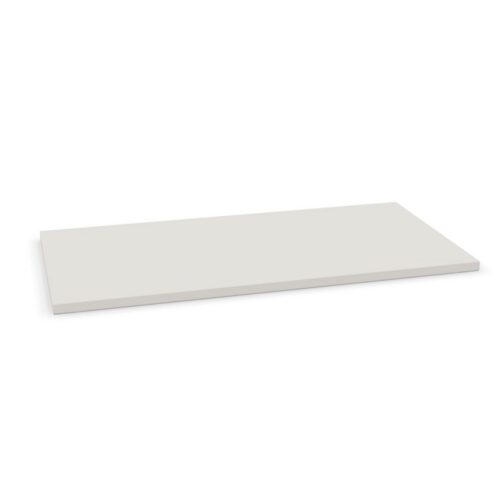
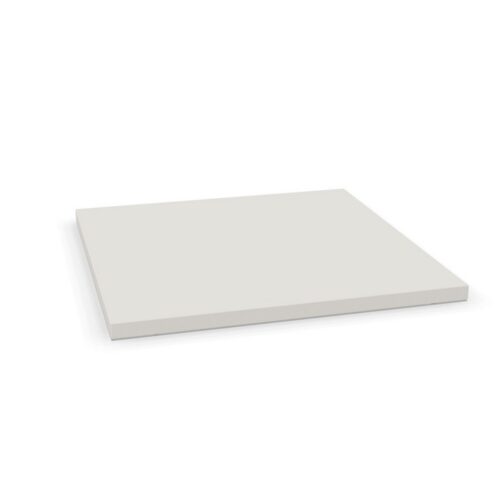
HPL Conference Tables With Corner Sheet Tops

Conference tables with corner sheet tops and HPL tops combine the corner sheet shape description with an HPL tabletop material choice. Assess the complete outline before using it to plan seating or position the table within the room. The shape name does not confirm a specific angle or a required corner location, and the material name does not establish surface color, finish, or any particular performance characteristic.

Begin with the relationship between participants and the information they share. A room centered on presentations may call for a different orientation from a room used mainly for discussion around documents. Review the intended chair positions, approaches from the door, and access to surrounding furniture. Then consider which material details require confirmation for the workplace’s normal routines. This keeps the selected shape and material connected to practical room planning without extending them into unsupported assumptions.

7 models
From 88.15 kr. p/m
4 models
From 105.37 kr. p/m

Establishing a Shared Presentation Direction

Identify the screen, board, or other location used for shared information before arranging chairs around the table. Review the view from every intended position against the complete corner sheet outline. A change in the tabletop direction may be relevant to seating, but the shape name alone does not show how participants should face. Consider where a presenter stands and how that person moves between the table and the presentation area. Keep the route clear in the proposed occupied arrangement. This makes the presentation direction a practical starting point while leaving the actual tabletop form to guide the detailed relationship between chairs and working positions.

Planning Conference Tables With Corner Sheet Tops and HPL Tops

Place the table in relation to the room's entry route and the activities carried out during meetings. Corner sheet conference tables with HPL tops should be reviewed using their actual outline, without assuming that the shape belongs against a wall or fits a particular room corner. Check how people reach their seats and what happens when someone joins after others are seated. Include the route to shared storage or other regularly used furniture. The HPL material choice forms part of the tabletop assessment, while a practical room arrangement depends on the relationship between the table, chairs, and surrounding objects.

Separating HPL From Unconfirmed Surface Details

HPL identifies the selected material, but the combination does not specify a color, pattern, texture, or finish. Compare those appearance details separately if the table needs to coordinate with an established interior. The material name also does not establish a particular cleaning method or performance level. Determine which information matters to the intended meeting routine and assess it directly. This avoids treating a material label as a substitute for relevant details. Consider the tabletop as a working surface used for papers and shared materials, then keep its documented characteristics distinct from the furniture placement decisions made for the room.

Reviewing Movement Between Meeting Activities

Walk through the sequence of a typical session: arrival, seated discussion, movement toward shared information, and departure. Check each transition against the proposed chairs and surrounding furniture. With HPL conference tables featuring corner sheet tops, the actual changes in the tabletop outline deserve attention wherever participants approach or leave their places. Do not assume that an open-looking area beside the table remains available when chairs are occupied. Include personal belongings and access to storage in the review. If people regularly return to the table after standing work, make sure the intended seating arrangement remains easy to understand and use throughout the session.

Frequently Asked Questions

Does HPL identify a particular appearance?

No. It identifies the selected tabletop material. Color, pattern, texture, and finish are not established by this combination, so assess those details separately when coordinating the table with the surrounding room.

How should the corner sheet shape face a screen?

Use the complete outline and intended chair positions to compare views. Conference tables with corner sheet tops and HPL tops do not have a presentation orientation established by the selected properties alone.

What needs checking near the doorway?

Review how participants enter, approach chairs, and leave while others remain seated. Include door movement and nearby furniture, then check the same route during transitions between seated discussion and activities elsewhere in the room.

For conference tables with corner sheet tops and hpl tops, map the intended seats before deciding how the table will sit within the room.

Explore related selections