






Reviewing the fit-out requirements
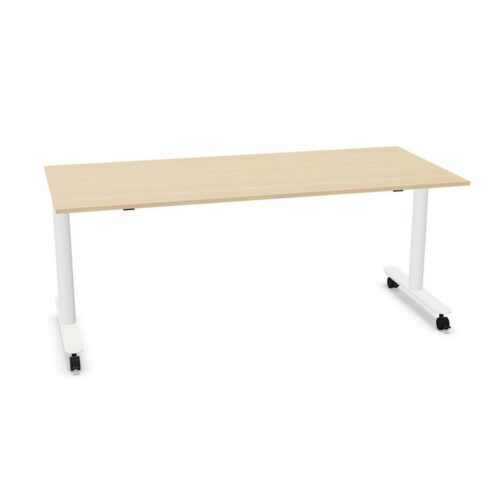
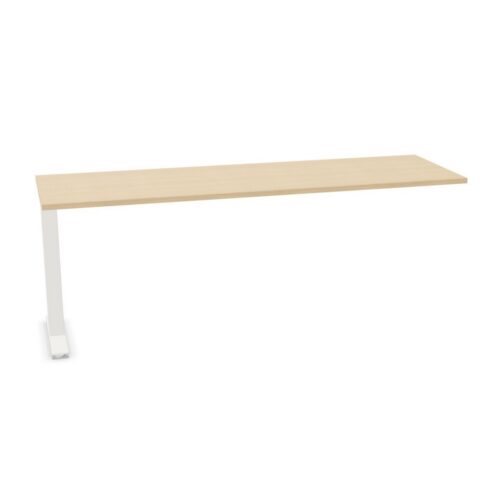
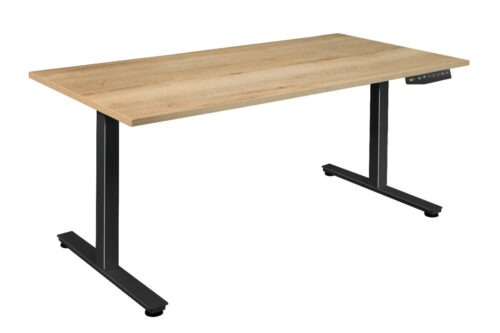
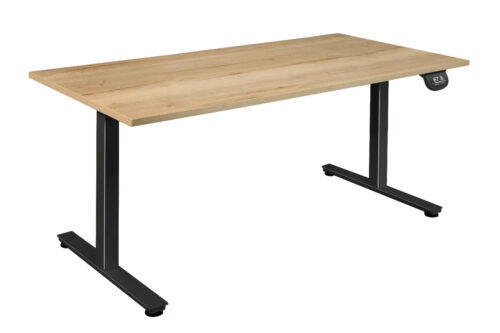
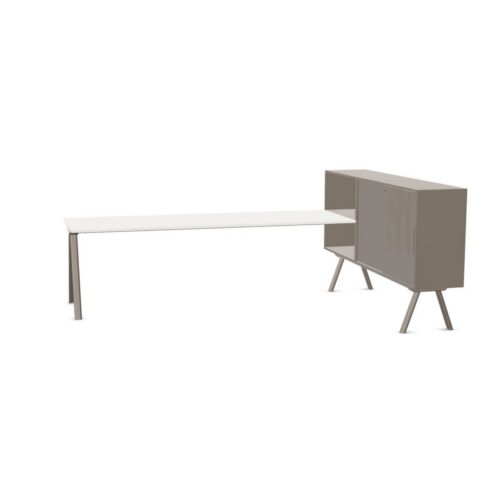
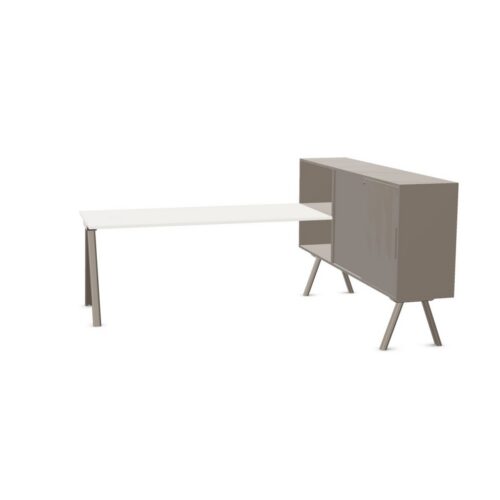
For office managers, narrowing the filtered range creates a more focused review of the circulation route within the office and the details that affect day-to-day tasks. Keep the straight blade tabletop shape and the no-cable-tray configuration together in the project desk brief. Before setting up document review in a project room, weigh the straight blade tabletop shape against the no-cable-tray configuration; the needs of different users provides a useful check on the proposed desk setup. To assess the selected desk configuration, describe the space’s purpose, who uses it and how the no-cable-tray configuration relates to the straight blade tabletop shape. For a client-facing office project, keep the straight blade tabletop shape visible in the project requirements and check whether the no-cable-tray configuration works with the route between work areas.
Checking furniture access and movement through the space
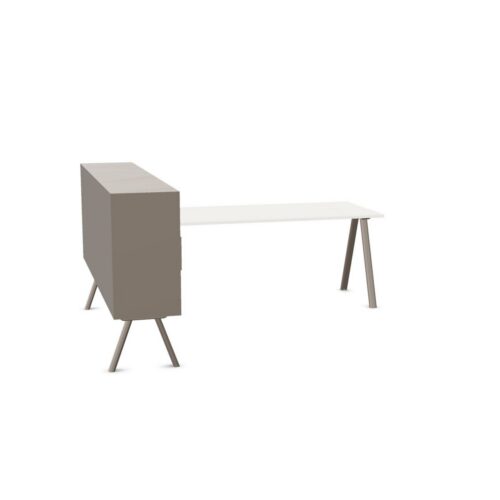
With quiet administrative work in mind, ask whether the straight blade tabletop shape and the no-cable-tray configuration suit the people assigned to this work area, then check that the office desk plan leaves a route through a private office. Compare desk options against a written brief covering the volume of equipment near the workstation, user needs and room purpose; this keeps the choice tied to practical requirements. Assess the straight blade tabletop shape alongside the no-cable-tray configuration before confirming the choice. When the project team reviews the current workstation option, use space for people to approach and move as a practical test and note how the straight blade tabletop shape and the no-cable-tray configuration influence the planned furniture decision. A project brief becomes more specific when workplace planners record the position of adjacent desks, identify the no-cable-tray configuration and explain how the straight blade tabletop shape affects the working position plan.
Building a practical comparison
Instead of relying on appearance alone, compare the no-cable-tray configuration with the circulation path across the proposed office; the final choice needs to support both a shared office and its regular activities. Check the straight blade tabletop shape against the intended use. For business owners, a good comparison links each listed attribute to the actual work setting rather than relying on a generic preference. A useful comparison begins with the available floor area; from there, assess how the no-cable-tray configuration and the straight blade tabletop shape fit the intended users of a reception office. The most useful question is whether the specified desk fits the workday, from setting up the workstation to moving around the surrounding area. For this desk specification, relate the straight blade tabletop shape to the no-cable-tray configuration.
