













Follow The Plastic Surface Through A Working Task
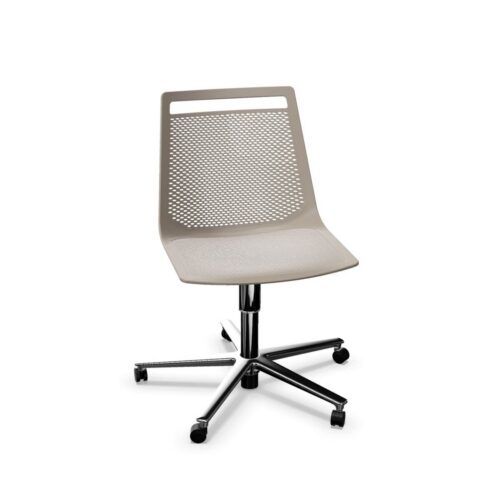
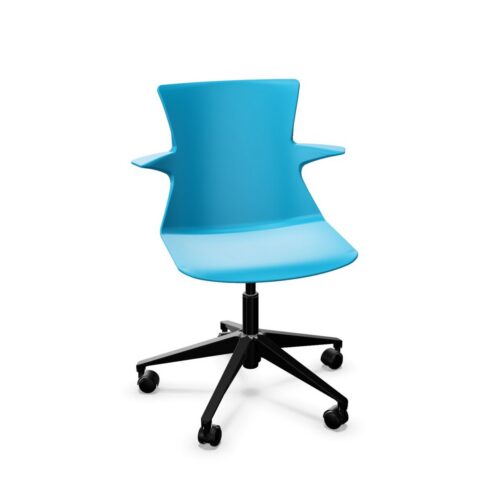
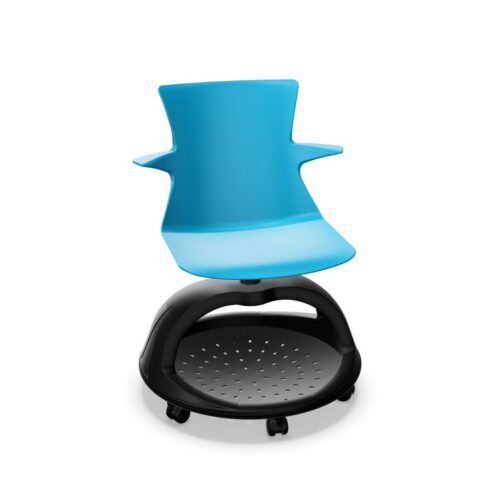
Begin with the areas that touch the user: the seat, its front edge and the backrest wherever plastic is present. Ask the person to perform ordinary tasks and change posture. Notice where contact occurs, and distinguish an observation about the surface from one about the underlying shape of the chair.
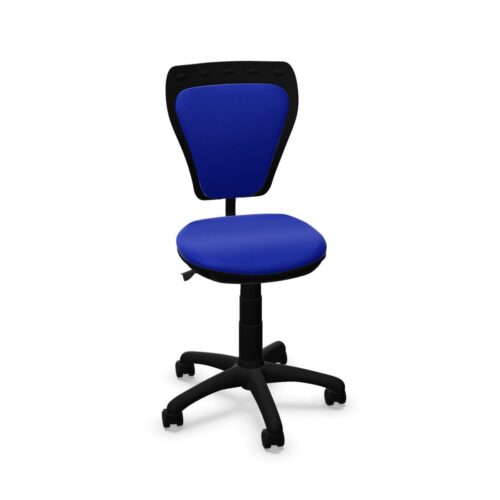
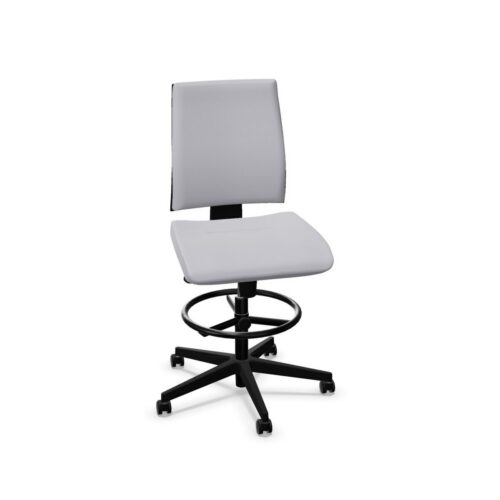
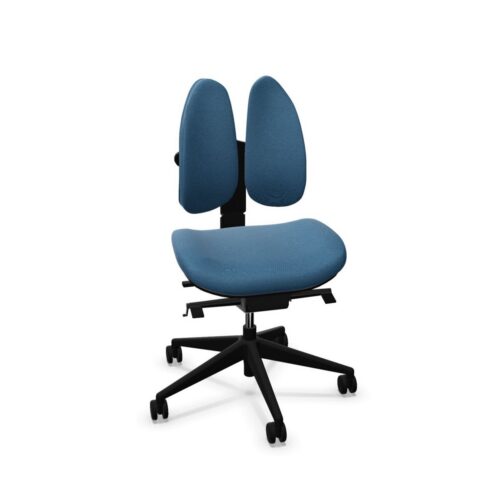
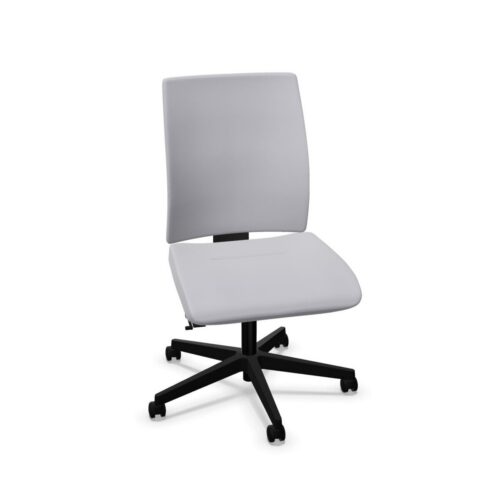
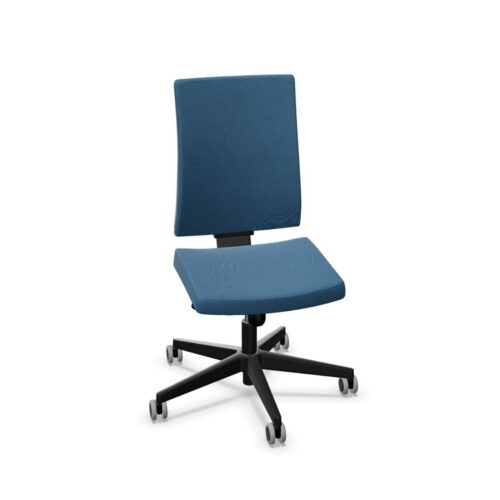
Compare plastic office chairs without specified standards under similar working conditions. The material name alone does not tell you how smooth, flexible or supportive a surface will be. Examine the actual finish and profile, asking users to identify specific contact points instead of giving only a general impression of comfort.
Check Clearance Between Chair And Desk
A surface trial becomes more useful when the intended desk is included. Check room for knees, the approach to the working edge and the position of the feet. If armrests are present, assess their clearance during normal movement rather than judging their height against the desk from a distance.
Office chairs also need to work with the way equipment is arranged. Place frequently used items in their usual positions and observe reaching and turning. Where controls are provided, ask the user to operate them and explain what changes. Record any difficulty alongside the resulting sitting position for later comparison.
