


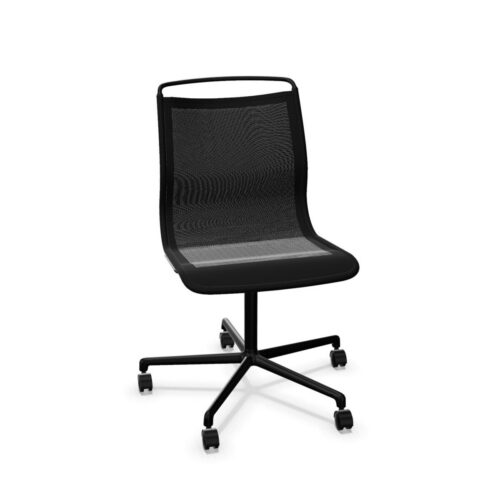

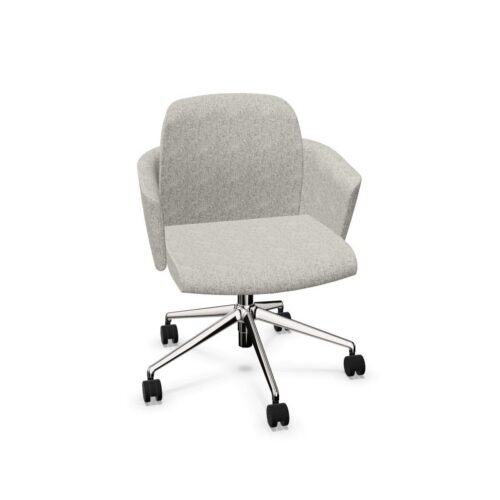
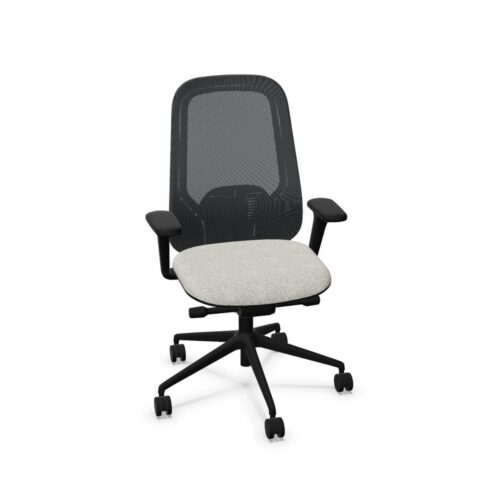
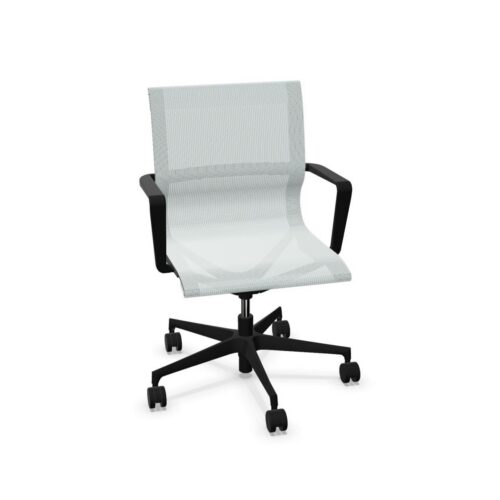







State The Boundary Of The Seating Brief
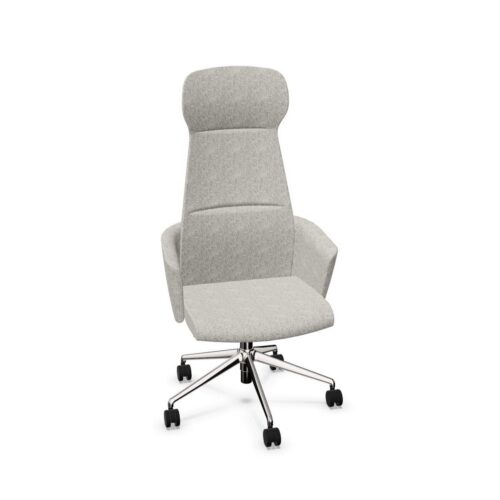
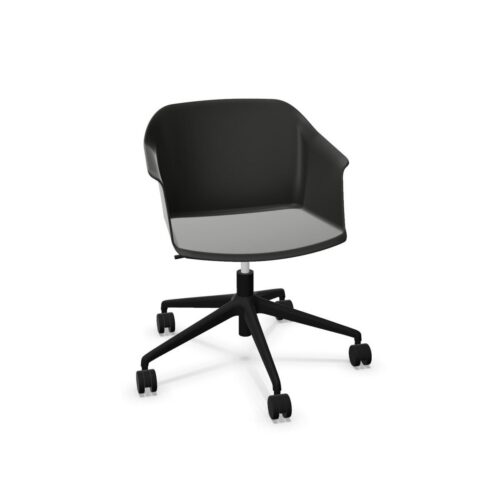
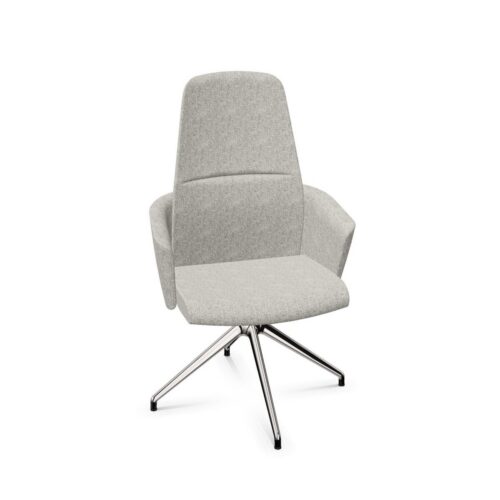
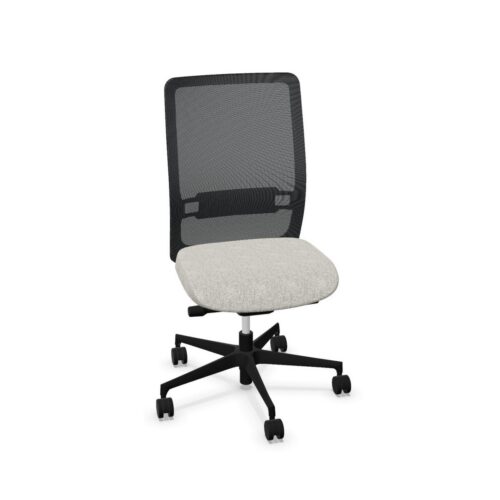
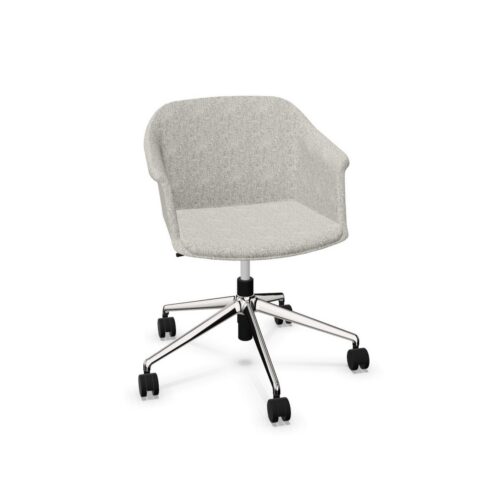
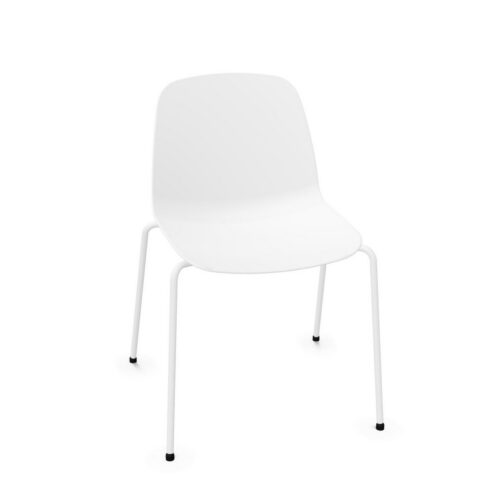
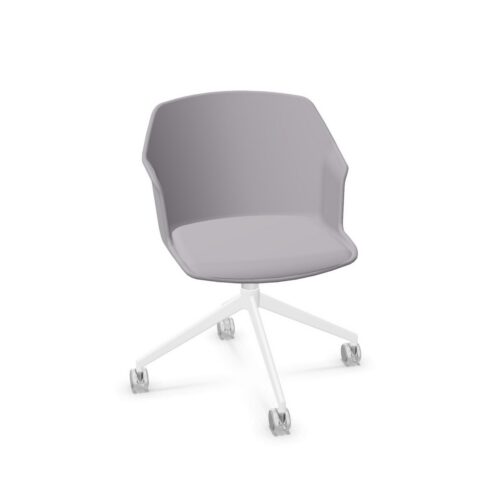
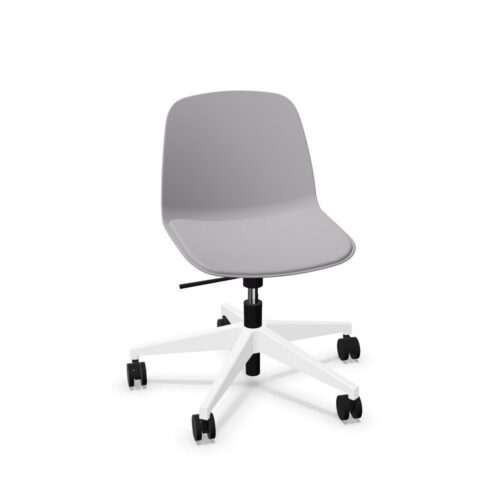
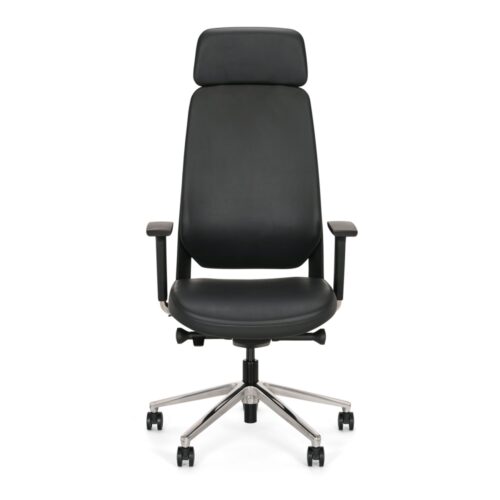
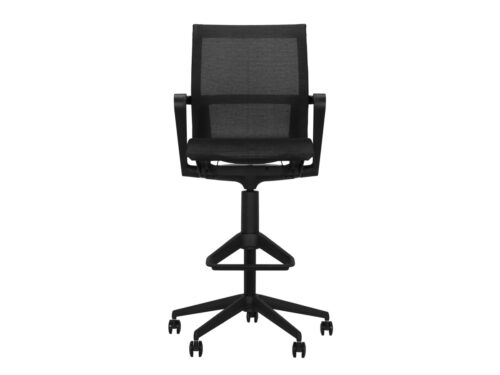
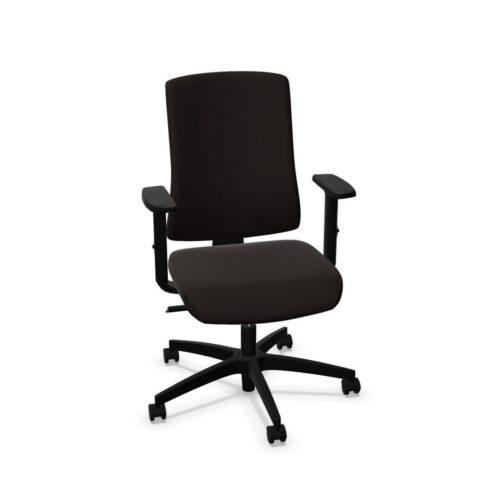
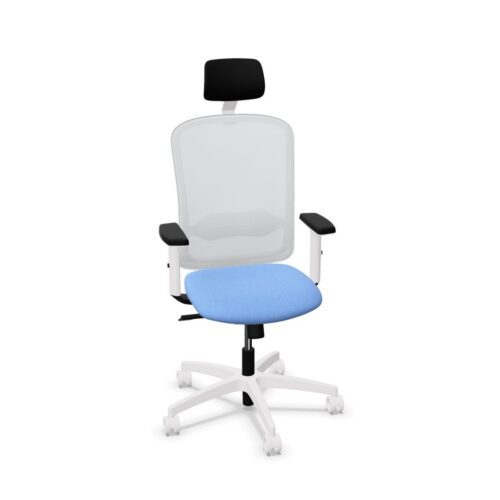
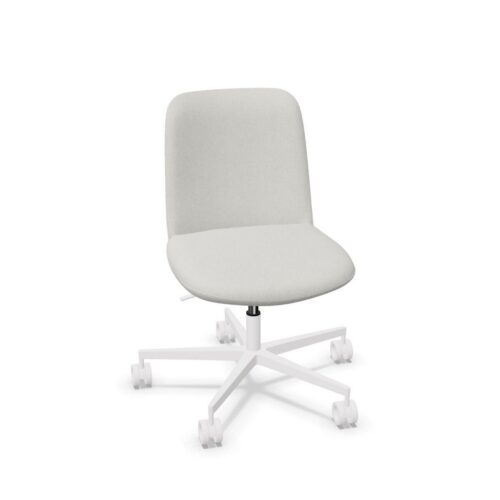
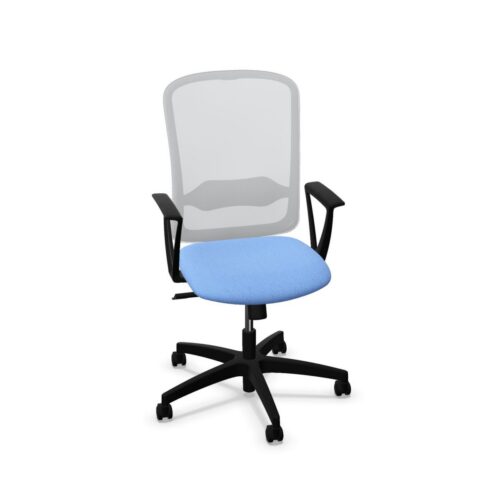
Describe the chair accurately as having no specified dedicated lumbar-support feature. Avoid extending that statement into an assumption about every aspect of the backrest or the user's experience. Begin the assessment by establishing the intended role and any individual support requirements. If a dedicated lower-back feature is necessary for the brief, make that requirement visible before comparing other characteristics. This keeps the decision focused on what the chair actually offers and helps prevent an appealing finish or an unrelated adjustment from obscuring a seating requirement that remains unresolved.
Use The Backrest Shape As A Practical Question
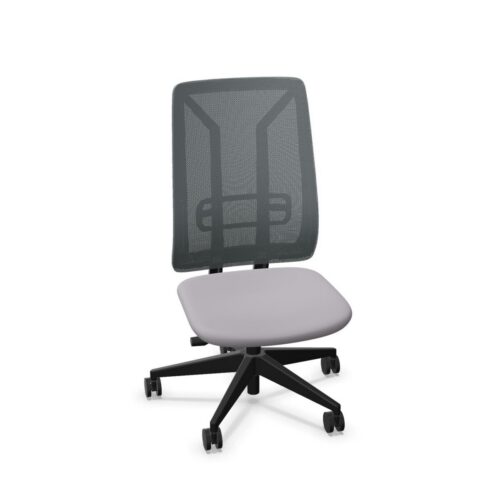
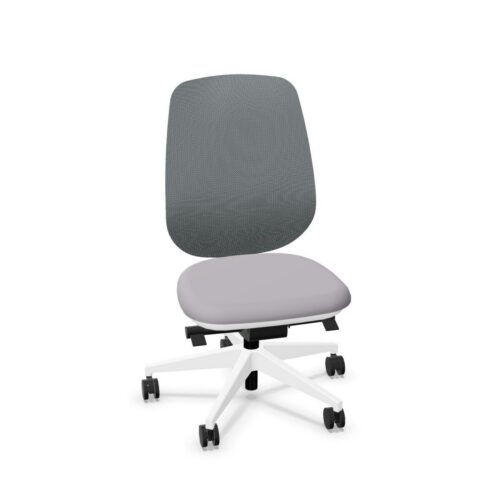
Ask users to assess the actual backrest in the position needed for their work. Consider its dimensions and shape, and how the user sits relative to it during representative activities. Back height adjustment is available on some configurations, but it should not be assumed throughout the selection. Establish the available range where relevant and observe what changes when the back is repositioned. Keep the findings specific to the person and activity. A backrest assessment can inform the choice without treating general backrest contact as a dedicated lumbar feature or promising a particular comfort outcome.
