

Lounge Furniture With No Armrests and Wood Bases

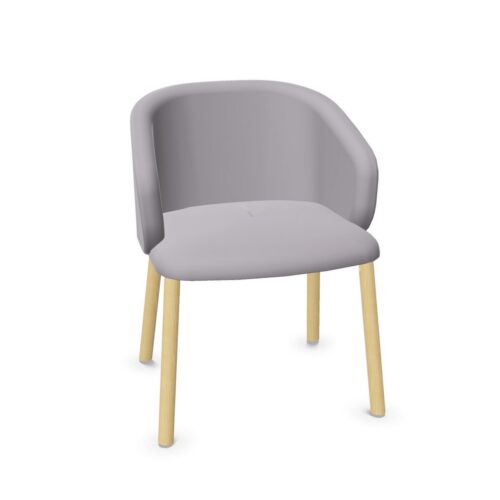
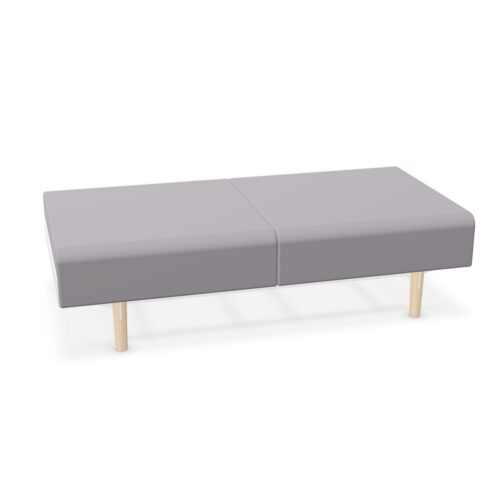
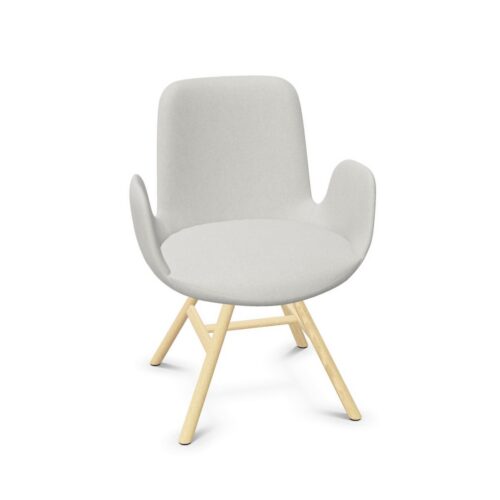
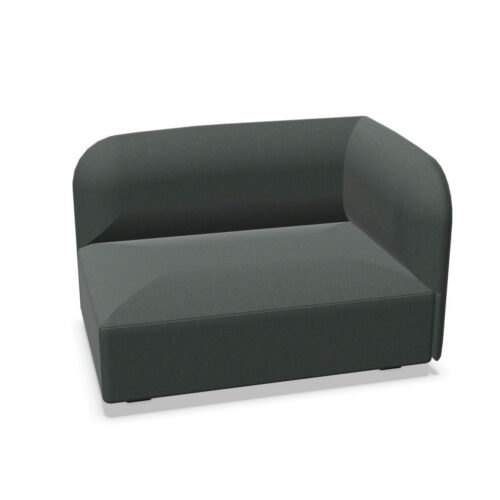
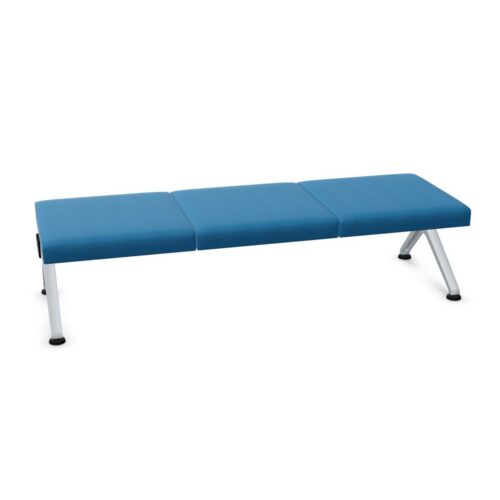
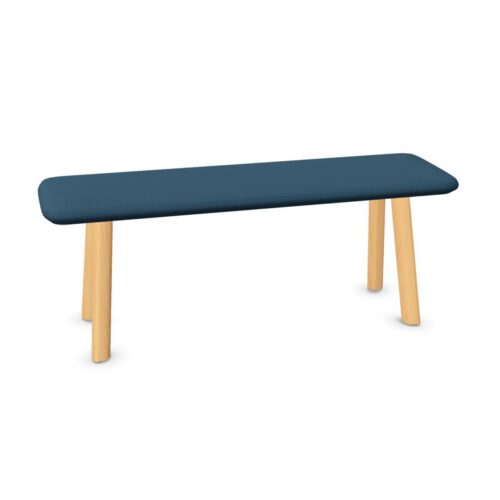
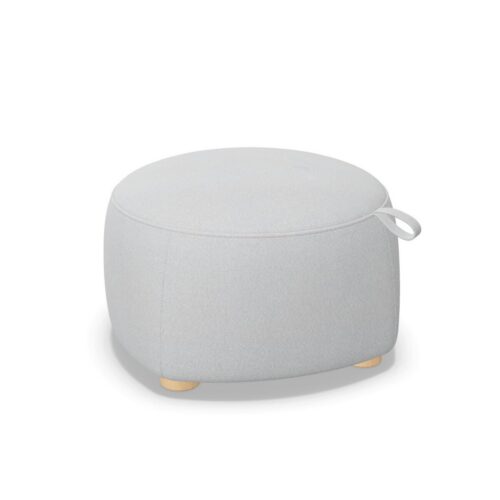
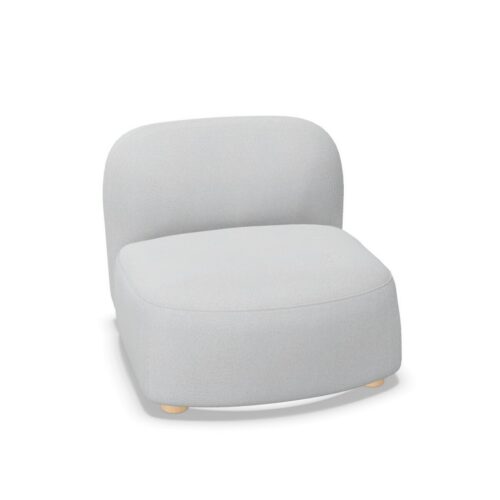
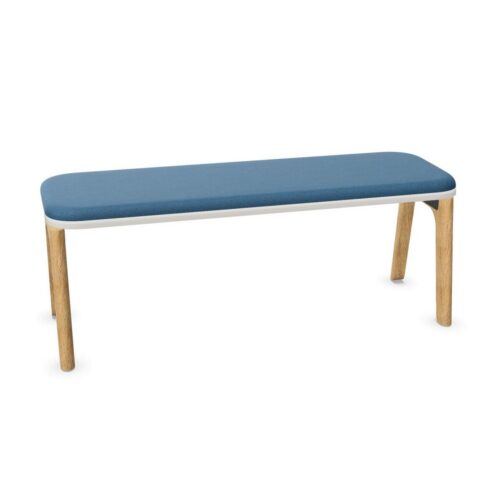
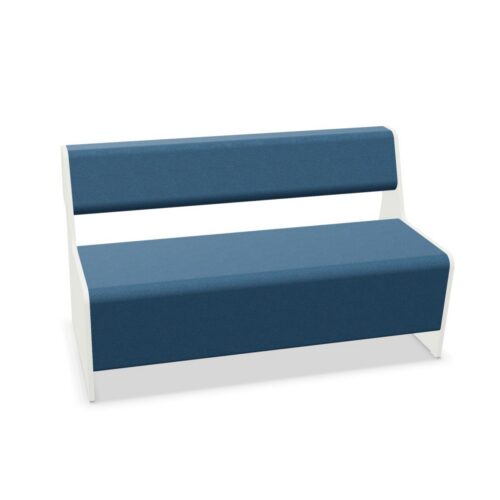
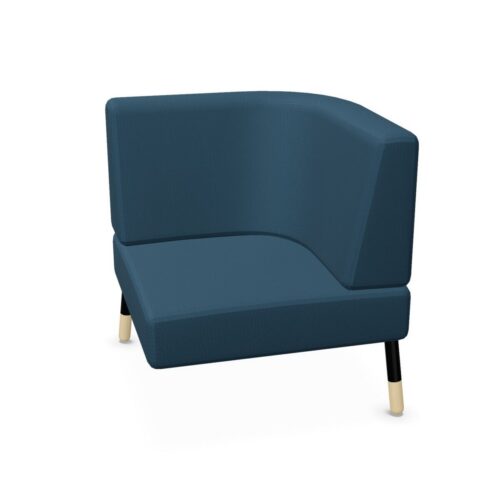
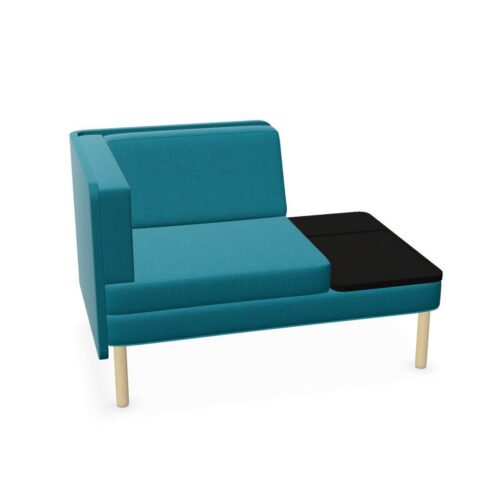
lounge furniture with no armrests and wood bases combines seating without arm boundaries with a wood base, making the relationship between neighboring seats a central planning consideration. In an office lounge or reception area, this combination can suit a composition where the seat edges remain visually open. Its suitability still depends on the actual furniture shape, the intended arrangement, and the routes people use around it.

Plan the spaces between pieces deliberately. The absence of armrests does not establish that separate seats connect, form a continuous surface, or can be rearranged. Instead, compare how each piece stands on its own and how its wood base relates to the wider group. Give particular attention to the ends of a row, the gaps between adjacent pieces, and the first view from the entrance. These details determine whether an open-sided arrangement reads clearly.

5 models
From £8.47 p/m
£28.70 p/m
£6.27 p/m
5 models
From £36.47 p/m
3 models
From £12.59 p/m
17 models
From £7.97 p/m
35 models
From £18.76 p/m
79 models
From £26.47 p/m
4 models
From £2.60 p/m
2 models
From £13.30 p/m
4 models
From £9.00 p/m
4 models
From £14.62 p/m
2 models
From £23.04 p/m
2 models
From £8.32 p/m
6 models
From £8.47 p/m
3 models
From £22.43 p/m
4 models
From £46.47 p/m
3 models
From £16.17 p/m
9 models
From £7.93 p/m
3 models
From £27.78 p/m
2 models
From £21.42 p/m
3 models
From £11.79 p/m

Arranging lounge furniture with no armrests and wood bases

Choose a layout concept before assessing individual pieces. An open conversation group, a row along a wall, and a freestanding reception arrangement place different demands on the seat edges. With no armrests to mark the sides, the overall outline and the gaps between pieces become especially relevant visual signals.

Trace the route from the entrance to each seating position. An open side may be part of the approach, but the absence of an armrest does not guarantee unrestricted entry. Review the back, base, and neighboring furniture together so the planned route reflects the complete shape of each piece.

Define shared and individual seating areas

Armrests are one possible boundary between seating positions. Without them, decide how the room should communicate where people sit and where circulation begins. The orientation of the furniture, the ends of a group, and the placement of adjacent elements can all help make the arrangement understandable to someone arriving.

Avoid assuming that close placement creates a continuous seat. Separate pieces may differ in outline or alignment even when both have open sides. If a continuous visual line matters, examine that relationship directly. If individual places matter more, give each piece a clear position within the wider composition.

Use the base as part of the composition

For lounge furniture with no armrests and wood bases, the lower part of the furniture can help establish visual continuity across an otherwise open arrangement. Compare the actual base shapes and appearances rather than relying on the material name to imply a particular style or level of visual prominence.

Look across the group from several viewpoints. A base that is noticeable from the entrance may become less apparent when viewed from a seated position. Consider those differences when relating the furniture to nearby wood details, floor patterns, and the architectural lines that already organize the space.

Review the exposed ends of the group

The end seat deserves separate attention in an arrangement without armrests. It meets the surrounding room directly, so its orientation affects how clearly the seating area is distinguished from an adjacent route. Decide whether that end should face inward, align with a wall, or address the wider lounge.

Also consider the gaps where two groups meet. An open seat edge should not be mistaken for a passage that leads nowhere. Review the layout as a sequence of approaches and destinations, keeping a clear distinction between places intended for sitting and routes intended for movement through the space.

Frequently asked questions

Can separate armless seats be placed together?

They can be considered together in a layout, but do not assume they connect or form a continuous seat. Check the actual outlines and their relationship when positioned side by side before choosing that arrangement.

How can an armless seating group feel clearly organized?

Use consistent orientation, deliberate gaps, and recognizable group boundaries. Review the arrangement from the entrance to see whether visitors can identify the available seats and understand the routes around them without additional explanation.

What connects the open sides with the wood base?

When assessing lounge furniture with no armrests and wood bases, consider the seat outline and base together. The open sides shape the group's boundaries, while the visible wood contributes to its relationship with the surrounding interior.

Explore related selections