

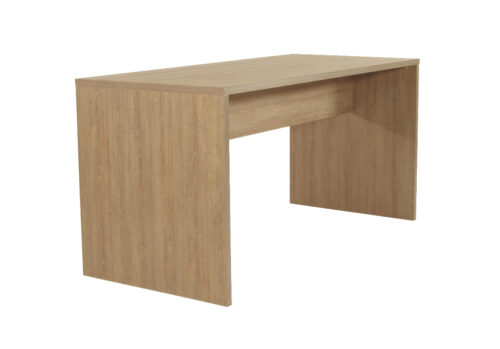
Oak Base Colors for Shared Discussions

Conference tables with oak bases provide an oak color reference below the tabletop, where it can relate to flooring, storage and chair frames. This selection concerns base color rather than confirmed construction. For a meeting room with several existing finishes, the useful starting point is the relationship between those colors. Decide which elements should connect visually and where a deliberate difference would make the furniture arrangement easier to understand.

Look beyond an isolated match with a cabinet or floor sample. The base will usually be seen through and around the chairs, so upholstery and chair placement influence its role in the room. Review the setting from the main entrance, across the table and from nearby work areas if the meeting space is open. These views help establish whether the oak color acts as a repeated reference or a distinct element within the wider workplace.

€14.33 p/m

Planning Conference Tables With Oak Bases

Start with the room element that is least likely to change. This may be the floor, fitted storage or a prominent door finish. Compare the oak base color with that reference before adding further color relationships. An exact match is not essential, but an intended connection should be visible when the furniture is viewed together. If the colors differ, decide whether the difference is clear enough to stand on its own. This avoids building the whole room around an assumed match that becomes less convincing once the table is in its intended position.

Choosing Between Repetition and Separation

Repeating an oak color across several parts of a room can give the furniture a shared reference. However, similar color names do not guarantee similar appearances. Review neighboring pieces together, especially where a base will sit directly in front of storage or beside another table. You may prefer to separate different oak references with a contrasting chair color or a clearly different surrounding surface. The aim is not to eliminate variation. It is to make the relationship understandable so that each visible element has a considered place within the meeting room palette.

Using Chairs to Connect the Arrangement

Chairs form the immediate visual link between conference tables with oak bases and the people using them. Assess upholstery, frames and the background floor as a group. If the base already repeats a floor or storage color, chairs can introduce a separate reference without requiring another oak match. Alternatively, a chair detail may provide a connection while the upholstery remains distinct. Review the arrangement with chairs in use rather than relying only on a neatly tucked position. People need clear approaches to their places, and the color scheme should accommodate that everyday movement.

Extending the Palette Into Shared Areas

Where a conference room opens onto a workplace corridor or shared project area, consider how its base color relates to furniture visible beyond the doorway. A repeated oak reference can connect the settings, while a different chair or wall color can identify the meeting area. Keep that relationship selective: every adjoining piece does not need to repeat the same appearance. Walk the usual approach and check whether the table position is clear before someone enters. Then review the view looking outward from the meeting seats, where neighboring furniture may form a substantial part of the visual background.

Frequently Asked Questions

Does an oak base color confirm solid wood?

No. The selected property describes appearance rather than construction. Conference tables with oak bases should be considered for their color relationship to the room without assuming solid wood, veneer or any other particular material.

How closely should the base match oak flooring?

There is no required match. Compare the actual colors together and decide whether they should appear closely related or deliberately different. Chair upholstery can provide a useful visual separation when similar oak references sit near each other.

Can an oak base suit an otherwise varied palette?

Yes, as a considered color choice. Identify an existing element that the base can relate to, or let it stand apart. Keep the remaining choices deliberate so the arrangement does not depend on several uncertain color matches.

Explore related selections