

















What to Check in the Selected Features
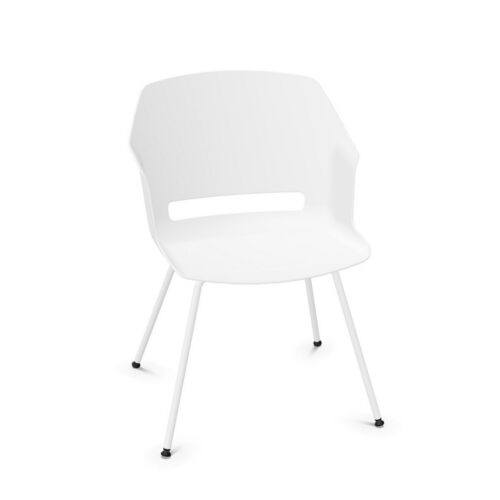
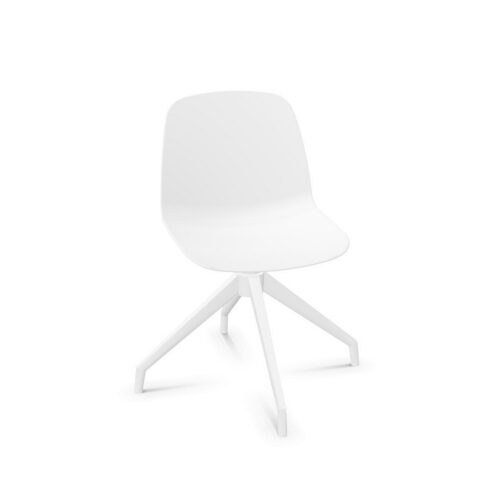
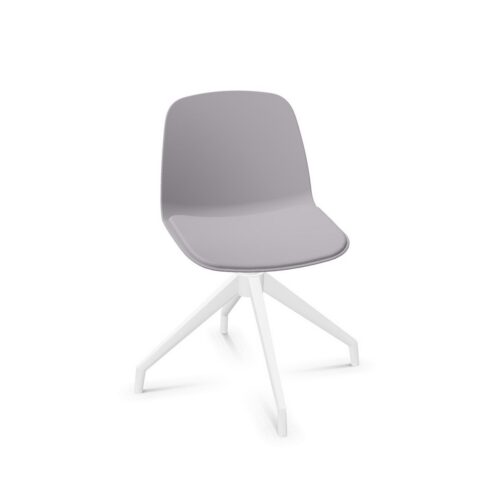
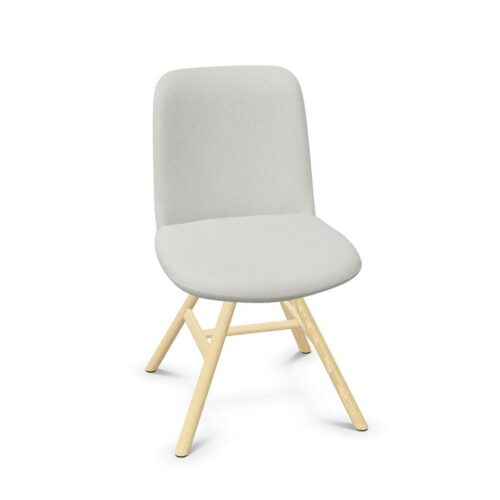
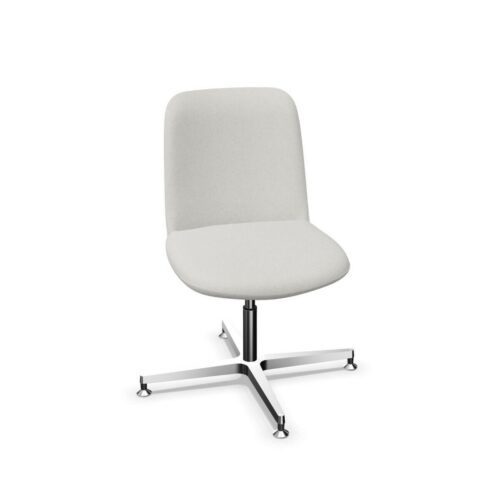
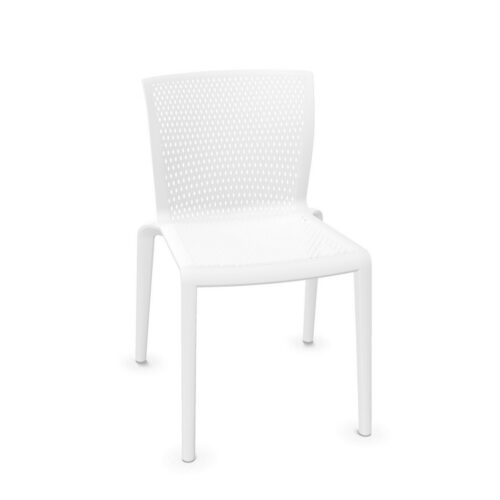
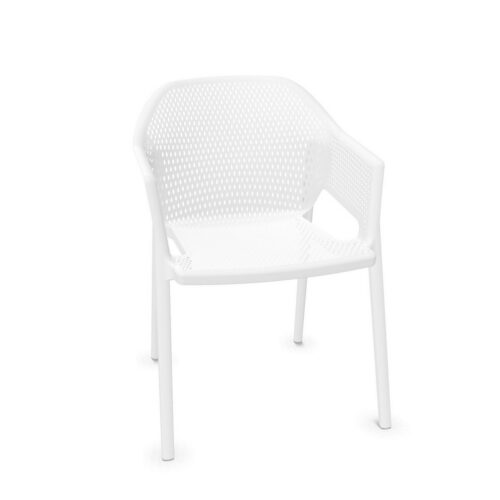
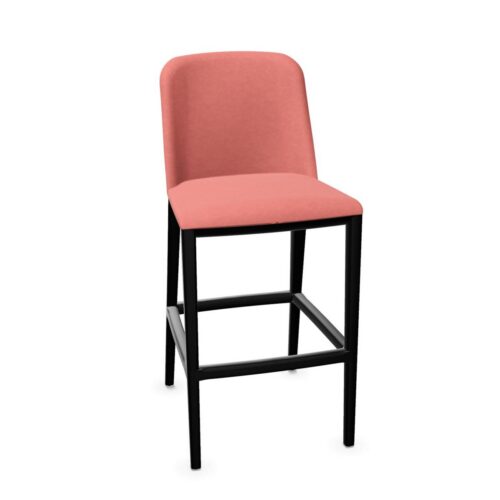
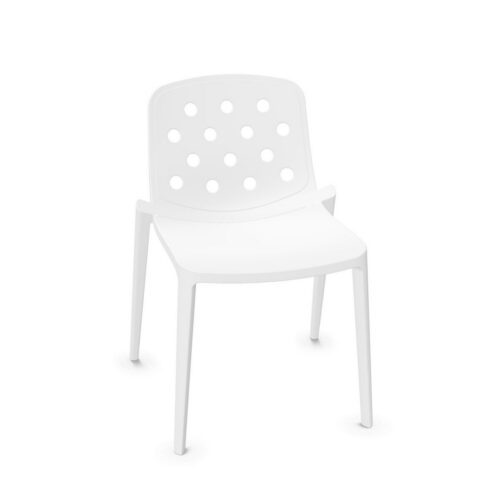
People entering a client-facing space notice more than the chair itself; relate the plastic chair base material and the lack of a separate headrest to usable space behind occupied seats and the surrounding furniture before finalising the plan. Start the comparison with the backrest without a head support. Then review the plastic chair base material and make sure the cleaning routine is covered in the a flexible meeting zone plan.
Questions to settle before selection
If a space alternates between busy group sessions and rotating users, check that the plastic chair base material and the lack of a separate headrest meet practical access requirements and the needs of seated users. Before planning interviews in a collaborative workspace, weigh the plastic chair base material against the lack of a separate headrest; the route people take towards the chair provides a practical test.
Planning around daily seating needs
Because a flexible meeting zone may support collaborative work as well as short check-ins, assess the plastic chair base material beside the lack of a separate headrest while keeping the frequency with which seats are rearranged in view. Treat the chair as part of the wider activity, allowing procurement leads can review the plastic chair base material and the chair’s headrest-free configuration against seat-to-table relationship before finalising a quiet planning room.
Making the seating plan practical
In a shared meeting room, the plastic chair base material may answer one brief requirement while the backrest without a head support addresses another; compare both with the layout when every seat is occupied. A layout for informal conversations in a shared meeting room needs to describe how the selected chair addresses storage between sessions; the plastic chair base material and the chair’s headrest-free configuration belong in that same review.
