

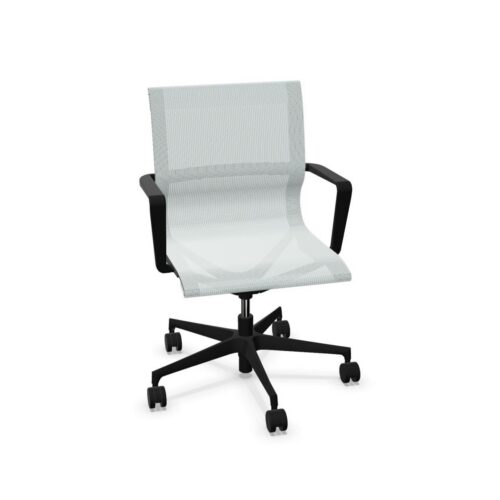
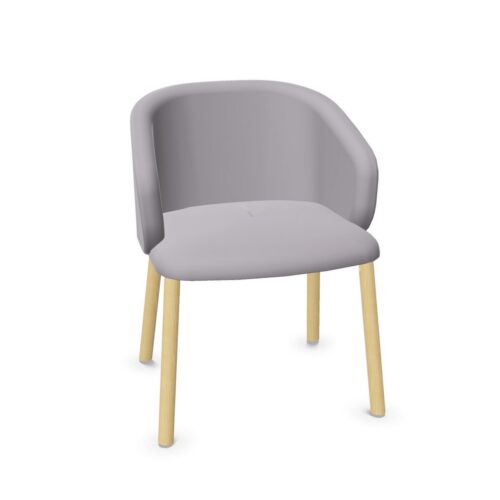
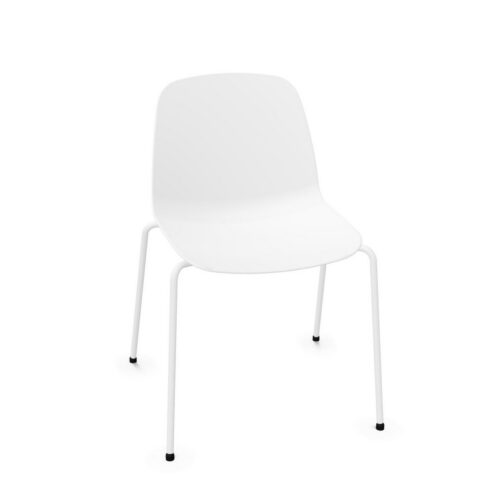
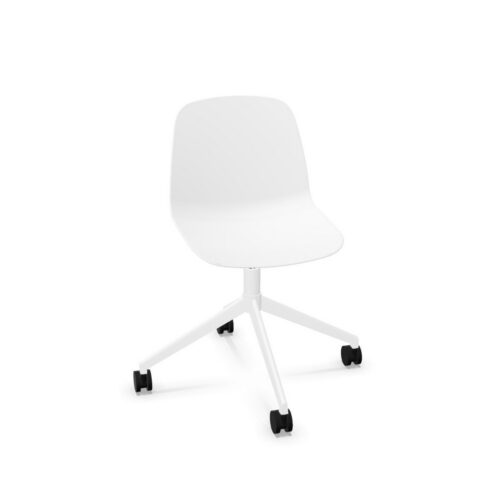
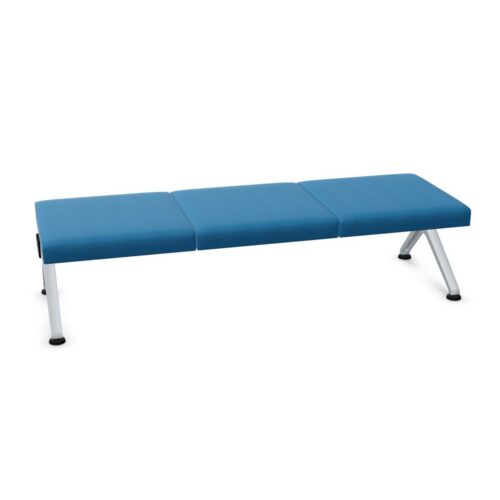
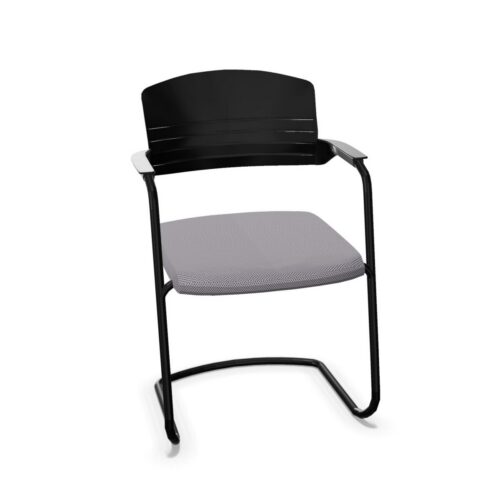
Chairs: No Lumbar Support / Silver Frame

Start with the requirements for a busy shared workspace. Chairs: no lumbar support / silver frame narrow the shortlist; compare the backrest without a lumbar feature with the silver chair base material and check how people enter and leave before confirming the seating plan. For teams planning visitor conversations, the silver chair base material may answer one requirement while the backrest without a lumbar feature addresses another; the room layout shows whether both are relevant.

When longer discussions takes place, usable space around occupied seating can show whether the silver chair base material and the design without dedicated lumbar support fit the intended seating plan. A useful note for workplace consultants links the design without dedicated lumbar support to the silver chair base material and records how the room’s existing palette affects a central gathering space. The seating brief for a break-out area should explain how the silver chair base material and the lack of dedicated lower-back support relate to the length of a typical sitting period.

10 models
From $11.64 p/m
5 models
From $11.34 p/m
5 models
From $4.02 p/m
28 models
From $30.77 p/m
79 models
From $35.40 p/m
13 models
From $7.63 p/m

Reviewing the Seating Specification

Document the intended activities within a flexible meeting zone, then assess the backrest without a lumbar feature and the silver chair base material in the context of daily activities in planned reviews. When team coordinators review chairs: no lumbar support / silver frame, they can start from the silver chair base material, consider the absence of a separate lumbar support feature, and test both against access to the seating position before settling a room arrangement.

What to review before choosing

For a multi-purpose room, facilities teams can begin with the silver chair base material, then test the lack of dedicated lower-back support against seat-to-table relationship during visitor conversations. If a design studio serves several purposes, assess the absence of a separate lumbar support feature alongside the silver chair base material and consider how workshops affects circulation.

Reviewing Everyday Seating Tasks

When use changes from quiet individual tasks to informal conversations, reconsider the seating specification to determine whether the silver chair base material, the absence of a separate lumbar support feature, and the room’s existing palette still match the space. When the room is shared, buyers comparing seating needs should review the absence of a separate lumbar support feature, ask who relies on the silver chair base material, and check the access route.

Planning a useful workplace layout

On a drawing of the occupied space, assess the silver chair base material and the backrest without a lumbar feature; that gives workplace consultants a practical basis for discussing the way the seating sits within the furniture arrangement. The planned activity may change during the week. Check the backrest without a lumbar feature and the silver chair base material against both shared meals and interviews.

Questions about chairs: no lumbar support / silver frame

Which details should a facilities team confirm?

When office managers assess a staff dining area, they can record the absence of a separate lumbar support feature and the silver chair base material beside the requirements for busy group sessions. The room brief for a staff dining area can record the silver chair base material, the absence of a separate lumbar support feature, and the seating position alongside adjacent furniture together, providing specific observations that can guide the final seating choice.

How can chairs: no lumbar support / silver frame work in a shared room?

In a shared workplace, interior project teams can compare the backrest without a lumbar feature with the silver chair base material, then review whether daily team meetings provides clear space for people to circulate. When the team plans chairs: no lumbar support / silver frame, use the amount of space left for circulation to examine the arrangement and explain how the lack of dedicated lower-back support and the silver chair base material influence the decision.

Which room details matter when comparing chairs: no lumbar support / silver frame?

For a shared meeting room, workplace consultants can begin with the silver chair base material, then test the design without dedicated lumbar support against access to the seating position during longer discussions. Review how the proposed seating fits the space before agreeing the final positions: the silver chair base material, the lack of dedicated lower-back support, and the layout when every seat is occupied all merit review.

What to review before choosing

People entering a multi-purpose room notice more than the chair itself; relate the design without dedicated lumbar support and the silver chair base material to seat-to-table relationship and the surrounding furniture before finalising the plan. When people responsible for shared seating assess a visitor room, they can record the silver chair base material and the absence of a separate lumbar support feature beside the requirements for visitor conversations.

Explore related selections