

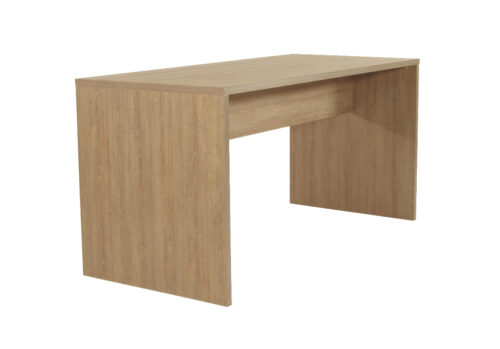
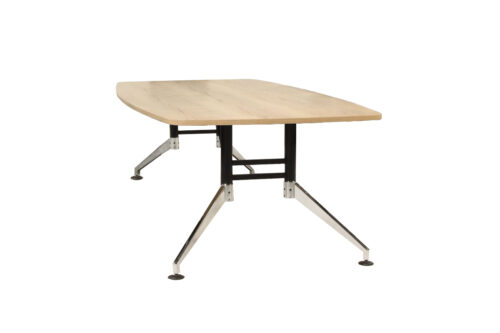
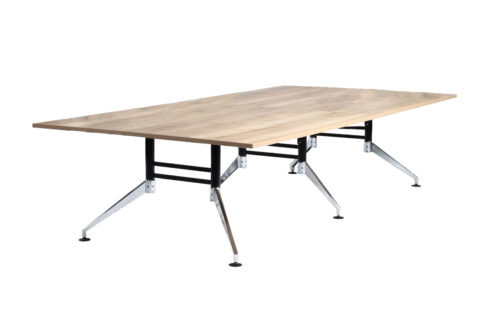
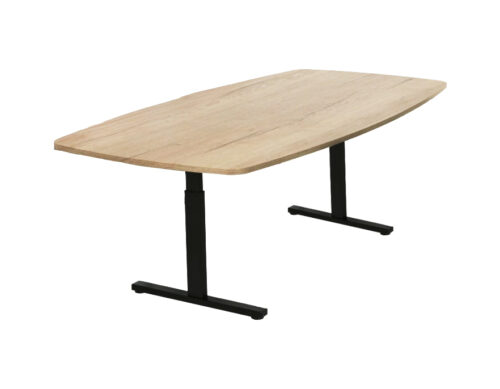
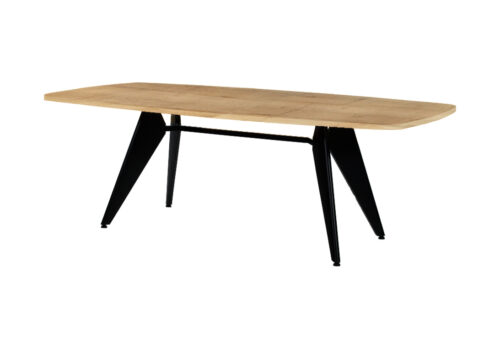
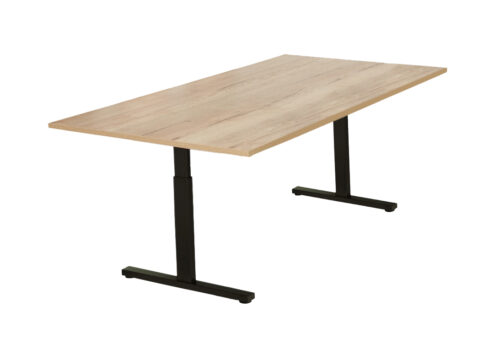
Straight Blade Conference Tables Without Stackability

Non-stackable conference tables with straight blade tops call for a room plan that accounts for each table individually. The straight blade tabletop shape guides seating and orientation, while the absence of stackability affects how the room can be cleared or rearranged. If a table needs to leave the meeting area, plan a separate place for it rather than expecting tables to store on top of one another.

This combination can be considered for an established meeting arrangement or a room with a clearly planned reset routine. Start by deciding how the straight blade outline should relate to chairs, the presentation point and nearby furniture. Then review what happens between sessions. Non-stackable does not determine whether a table can be moved, folded or adjusted in height; those are separate characteristics. Base the room plan on the stated shape and the need to accommodate tables without stacking them.

$16.09 p/m
$18.16 p/m
$29.19 p/m
$12.40 p/m
$12.18 p/m
$6.89 p/m

Placing Non-Stackable Conference Tables With Straight Blade Tops

Start with the working arrangement the room needs most often. Orient the straight blade top in relation to conversation, shared materials and any presentation wall. Place chairs where participants can work and turn toward the relevant point of attention without awkward repositioning. Assess the actual tabletop outline rather than relying on the shape name to establish every seating detail. With no stacking option, the everyday arrangement deserves careful consideration because clearing the space requires another location for each table. A useful plan connects the main meeting setup with a realistic way to handle occasional changes.

Give Displaced Tables an Individual Place

If the room sometimes needs an open area, identify where the table will go before making that activity part of the schedule. Non-stackable conference tables with straight blade tops need separate accommodation when removed from use. Check that the proposed location does not obstruct an exit, storage access or another team's workspace. Also consider the route between the meeting area and that location, following any relevant handling instructions. Non-stackability alone does not establish how a table should be moved, so confirm its handling requirements before relying on regular transfers as part of the room routine.

Review Circulation in the Working Arrangement

Walk through the planned layout with chairs positioned for a meeting. Check the route from the entrance to each place, then consider what changes when someone pulls a chair back or leaves during a discussion. Keep access to shared room facilities practical without routing people through another participant's immediate work area. Where tables sit near each other, assess their actual edges and chair positions together. A straight blade top does not by itself establish a usable passage. The combination works as a room arrangement only when the seating and surrounding movement have both been considered.

Make Rearrangement an Intentional Room Task

Define what a reset involves instead of assuming that clearing tables is a simple final step. Chairs may need another position, meeting equipment may need to be removed and a separate destination must be available for the table. If changes are frequent, compare that routine with how the room is actually staffed and used. Non-stackable conference tables with straight blade tops may suit an arrangement that stays in place, but non-stackability does not require permanent placement. The practical question is whether the room can support its planned changes without using circulation areas as temporary furniture storage.

Frequently Asked Questions

Can these tables be stored in a stack?

No. This combination excludes stackability. If tables need to leave the meeting area, give each one a separate planned location and check the access route and handling requirements before making that part of the room routine.

Does non-stackable mean the table cannot move?

No. Stackability describes whether tables can be stacked, rather than establishing their mobility. Confirm the actual handling requirements separately and plan any movement according to the relevant instructions and the available route through the room.

What matters when the room usually stays arranged?

For non-stackable conference tables with straight blade tops, focus on useful chair positions, presentation sightlines and clear circulation. Also keep a realistic plan for maintenance access or occasional room changes, even when rearrangement is uncommon.

Explore related selections