


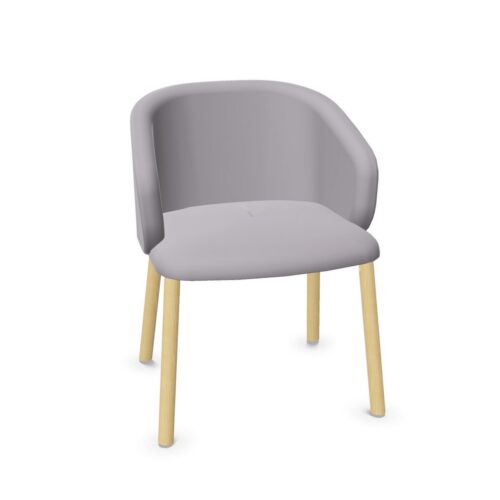

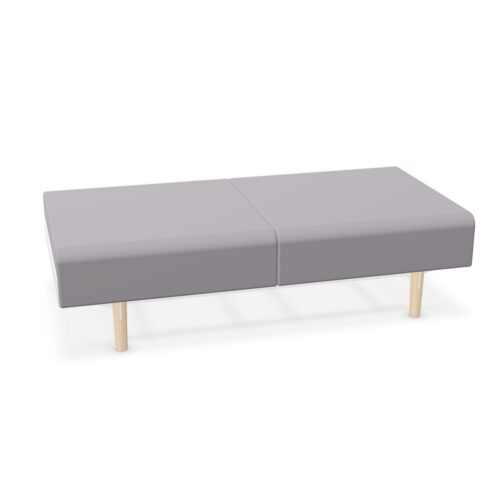


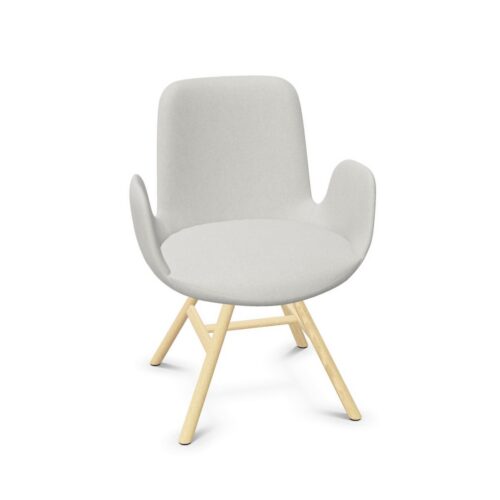

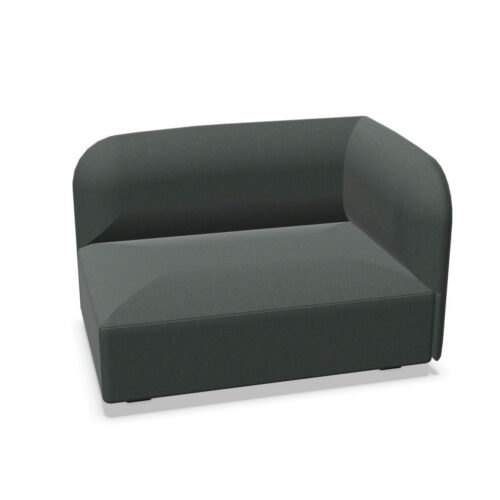


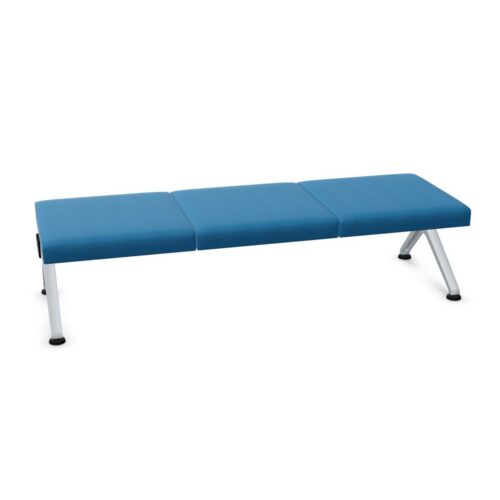
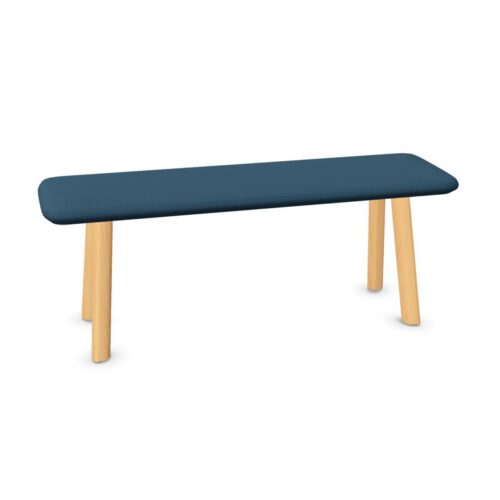


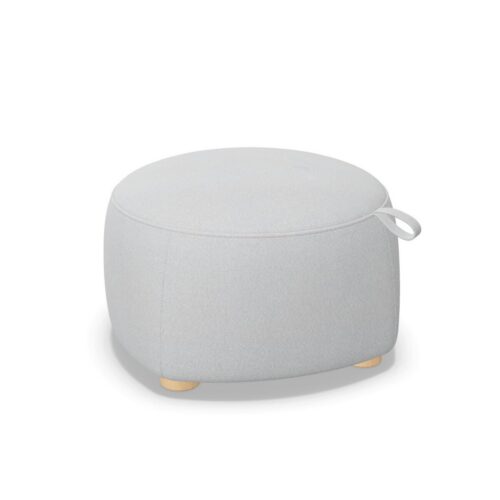
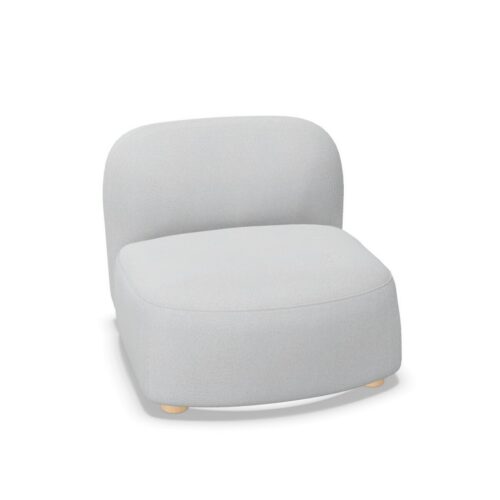


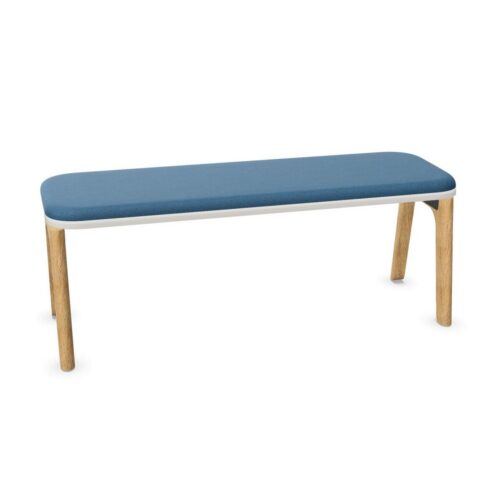
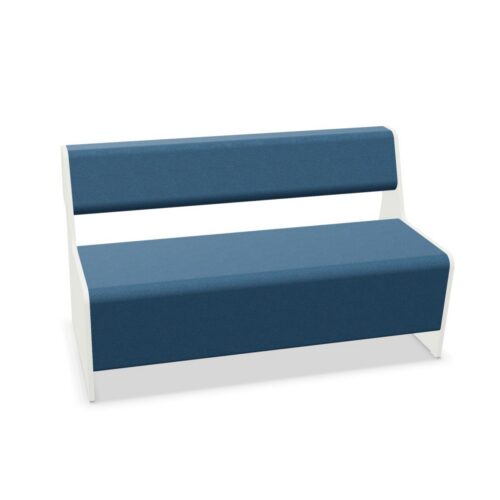
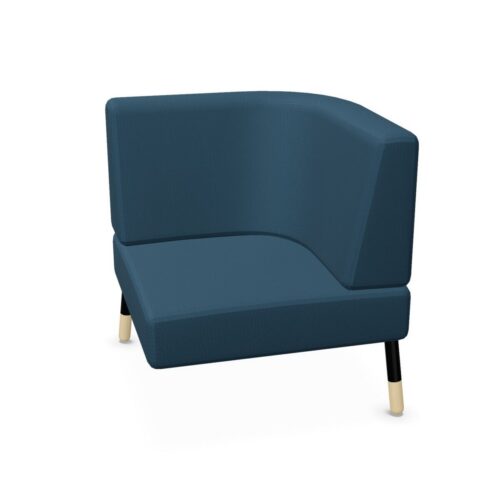


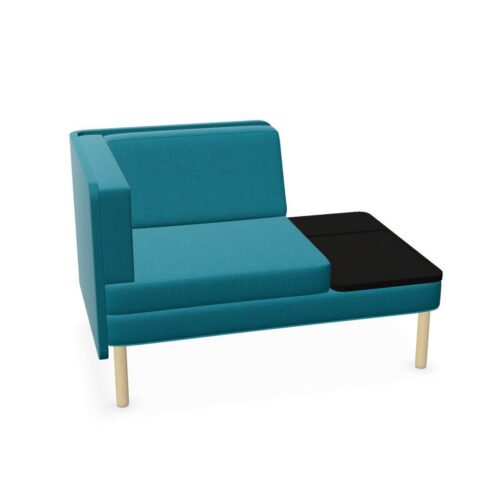


Arranging lounge furniture with no armrests and wood bases
Choose a layout concept before assessing individual pieces. An open conversation group, a row along a wall, and a freestanding reception arrangement place different demands on the seat edges. With no armrests to mark the sides, the overall outline and the gaps between pieces become especially relevant visual signals.
Trace the route from the entrance to each seating position. An open side may be part of the approach, but the absence of an armrest does not guarantee unrestricted entry. Review the back, base, and neighboring furniture together so the planned route reflects the complete shape of each piece.
Define shared and individual seating areas
Armrests are one possible boundary between seating positions. Without them, decide how the room should communicate where people sit and where circulation begins. The orientation of the furniture, the ends of a group, and the placement of adjacent elements can all help make the arrangement understandable to someone arriving.
Avoid assuming that close placement creates a continuous seat. Separate pieces may differ in outline or alignment even when both have open sides. If a continuous visual line matters, examine that relationship directly. If individual places matter more, give each piece a clear position within the wider composition.
