

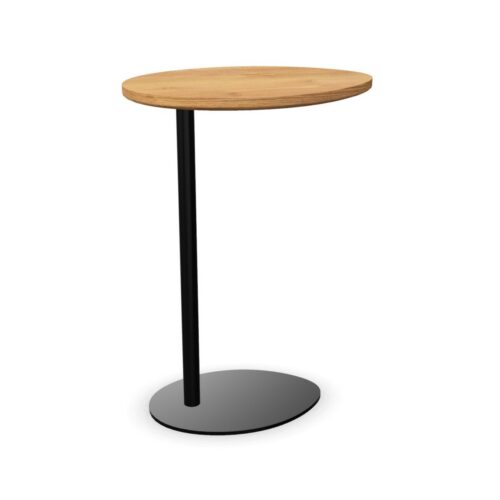
Lounge Furniture With Round Tops and Steel Bases

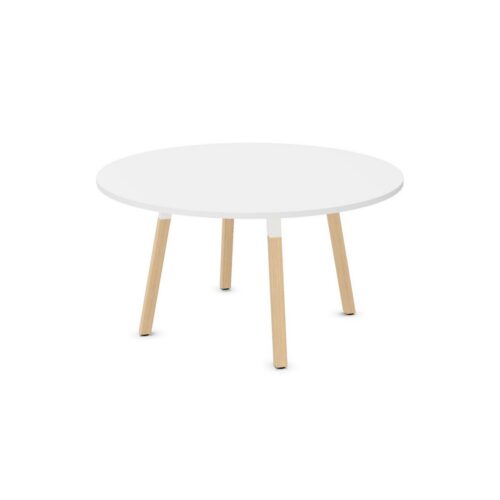
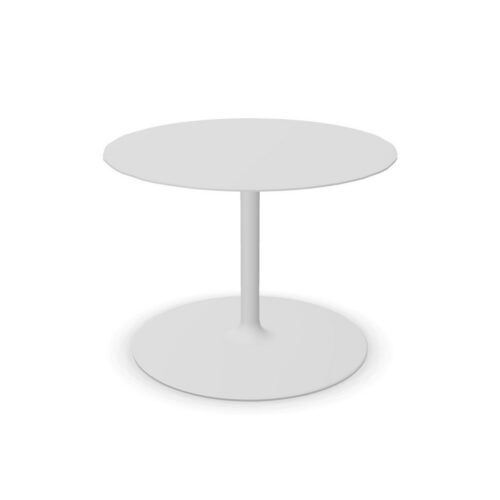
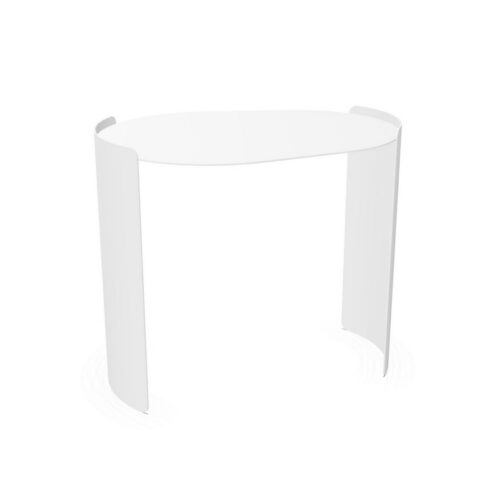
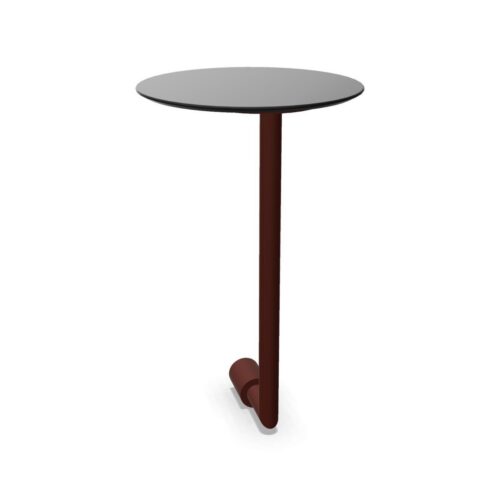
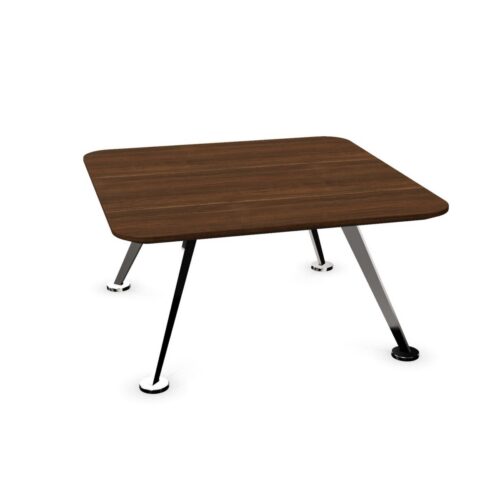
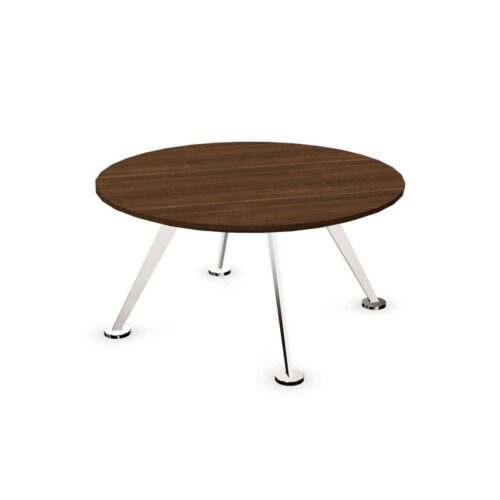
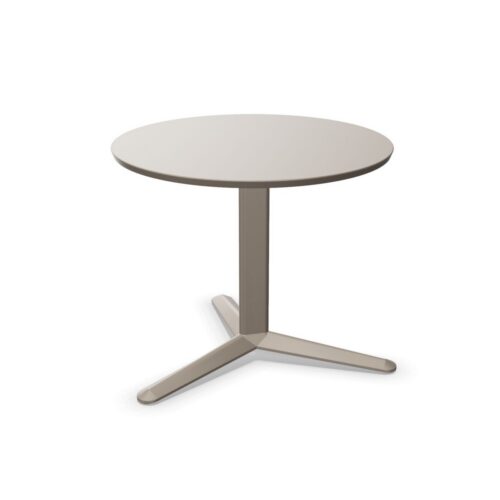
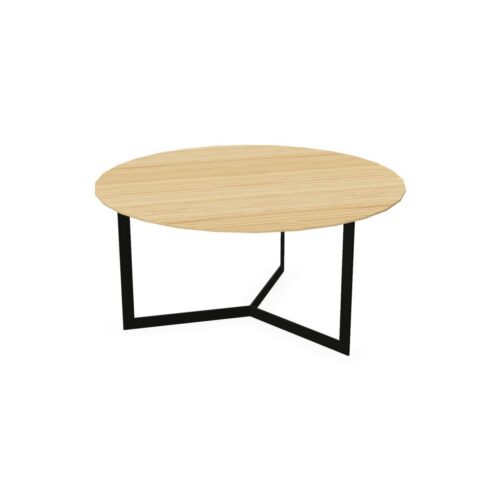
Lounge furniture with round tops and steel bases is useful to consider for an open seating group where the table is approached from several directions. The circular top has no designated long side, so the seating pattern gives the arrangement its orientation. The steel base adds a separate form below the surface that should be assessed from every main approach rather than from a single front view.

For lounge furniture with round tops and steel bases, begin by deciding whether the table belongs to the whole group or to particular seats within it. That decision helps establish its position without defaulting to the center of the room. Review the actual support arrangement, since steel does not establish a central base, a particular leg pattern, or a finish. Keep the top material separate from the base material, and compare the complete furniture outline with the intended routes into and around the lounge.

5 models
From $23.96 p/m
4 models
From $39.59 p/m
$5.15 p/m
2 models
From $8.51 p/m
$24.64 p/m
10 models
From $7.28 p/m
3 models
From $8.96 p/m
2 models
From $9.23 p/m
2 models
From $7.22 p/m
2 models
From $7.61 p/m
3 models
From $23.62 p/m
16 models
From $13.08 p/m
3 models
From $8.77 p/m

Positioning Lounge Furniture With Round Tops and Steel Bases

Give the seating group a clear structure before placing the table. An open arrangement may include a sofa, individual chairs, or facing seats, but each position should have an intentional relationship to the circular surface. Decide which seats the table serves most directly and place it accordingly. The center of the seating composition may differ from the center of the room. Review that distinction from the main approach. A round top can appear equally oriented in every direction while the surrounding group still needs a recognizable entrance and a clear relationship to adjacent lounge areas.

Review the Support From Every Approach

The steel base contributes to the arrangement below the circular surface. Inspect its actual outline from the principal walkway, from the opposite side of the group, and from the intended seats. Do not assume a central support or a circular base. Its position may relate differently to each approach, even though the top presents a continuous round boundary. Steel identifies the material without establishing its color, finish, or visual profile. Judge those details from the actual form, and consider how the support appears through the openings between neighboring pieces of lounge furniture.

Leave a Deliberate Opening in the Group

When arranging lounge furniture with round tops and steel bases, avoid treating every part of the perimeter as a reason to add a seat. The group needs a clear opening for entering and leaving. Place that opening in relation to the main approach, then check that neither the top nor the support occupies the intended route. Review the room beyond the group as well. People passing through should be able to understand their path without moving between the table and occupied seats. This makes the seating composition easier to read from either direction.

Compare Symmetry With Practical Placement

A symmetrical arrangement can be useful to test, but it should follow the seating purpose rather than determine it. Compare how the table relates to each seat, especially when a sofa faces individual chairs. With lounge furniture with round tops and steel bases, an offset position may be worth assessing if it gives the intended seats a clearer relationship to the surface. Check the support beneath that position before finalizing the plan. Then review the whole group from standing and seated viewpoints, looking for a coherent center without allowing the arrangement to obstruct the surrounding circulation.

Frequently Asked Questions

Does a round top require symmetrical seating?

No. The seats should follow the purpose of the group and the available approach. Assess each position deliberately and retain a clear opening rather than filling the perimeter evenly.

Is a steel base necessarily placed at the center?

No. The material does not establish the support configuration. Check the actual base outline and position beneath the round top before deciding how the surrounding seats should be arranged.

How should a round table sit between a sofa and chairs?

Identify which seats it is intended to serve, then compare its relationship to each. Check the entrance into the group and the support below before choosing the final position.

Explore related selections